





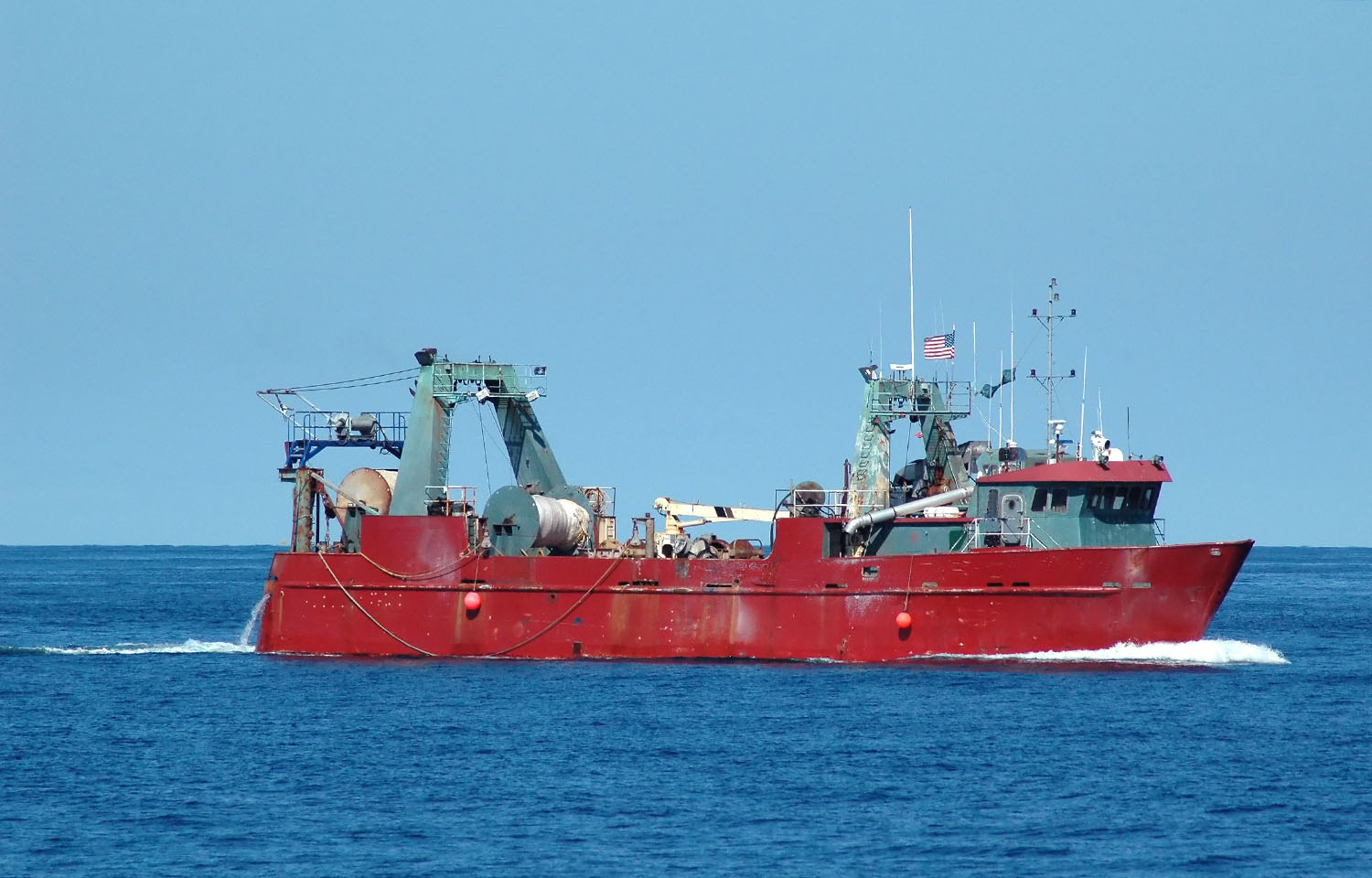
Correction: An earlier version of this article used a photo of a trolling vessel, not a trawling vessel. The photo has been replaced
More than 5,000 Alaskan advocacy organizations, local business owners, and residents have signed a letter to U.S. Representative Nick Begich (R-Alaska) asking the elected official to support banning bottom trawling in federal waters, with particular concern shown toward bycatch associated with the fishing method.
In a release, Juneau, Alaska, U.S.A.-based conservation NGO SalmonState shared data from the Alaska Department of Fish and Game (ADF&G) showing that trawling causes fishermen to catch and discard an average of 141 million pounds of marine life each year, including king salmon, chum salmon, halibut, crab, forage fish, and killer whales.
“The health of our fisheries and the impact of trawling has emerged as a top tier issue for Alaska’s decision makers,” SalmonState Operations Director Ryan Astalos said. “I have traveled across our great state, talking to Alaskans about the negative impacts of trawling, both on the habitat and the many species that we care about and rely on including salmon, halibut, and crab. From Nome, Fairbanks, and Homer to Yakutat and everywhere in between, Alaskans are fed up with being restricted or closed to fishing while the trawl industry continues business as usual, often bycatching more of these species than we are allowed to catch for our freezers.”
SalmonState further explained in the March release that traditional, sport, and commercial fishermen are facing “severe restrictions or outright bans” on fishing for the same species that are taken as bycatch in trawling.
“We don't need to measure every single cause of fishery decline to know that bottom trawling is a mistake,” Wild Coast Alaska Owner Karl Thomas said. “Why continue crushing the bottom of the food chain and wasting resources through bycatch? If you told a third-grader they could only have three chicken nuggets instead of five because you were throwing the rest in the trash, they’d tell you the solution isn't a smaller appetite – it’s to stop the waste. We should listen to that same basic logic.”
Besides bycatch, SalmonState said bottom trawling also results in flattening coral gardens, killing marine life, releasing carbon dioxide, and destroying habitats.
A solution, the NGO said, would be the introduction of federal legislation that bans bottom trawling in Alaska’s federally managed waters.
“On the campaign trail, Nick Begich told Alaskans that domestic trawling is not sustainable and major reform is needed. In the same interview, Nick stated that immediate action to protect salmon was necessary and that we must reduce bycatch thresholds. Alaskans are still waiting to hear from Nick following through on the stance he took during the campaign,” Fish Alaska Publisher and Founder Melissa Norris said.
NGOs like SalmonState publicly calling for bycatch-mitigating legislation is not new topic.
In May 2024, former U.S. Representative Mary Peltola (D-Alaska) introduced a pair of bills to restrict bottom trawling on the House floor called the “Bottom Trawl Clarity Act.”
The act would have required regional fisheries management councils to define “substantial” or “limited” bottom contact when using bottom-trawling gear and the designation of zones for trawling to occur.
Conservation NGO Oceana also sued to block trawling in the Gulf of Alaska in 2024, but it was ultimately rejected in court. Oceana appealed that decision in December 2025.
In January 2026, Begich joined Alaska’s senators in introducing the Bycatch Reduction and Research Act. While that legislation would increase data collection and research efforts to reduce bycatch, it would not include any ban or limits on bottom trawling or bycatch.
Alaskan seafood sectors like pollock fishers have pushed back on claims that its bycatch is the reason for declining Alaska salmon populations, noting that nearly all of the salmon it catches originates from outside Alaska.
