



Update: This story has been updated with additional statements from Pacific Seafood
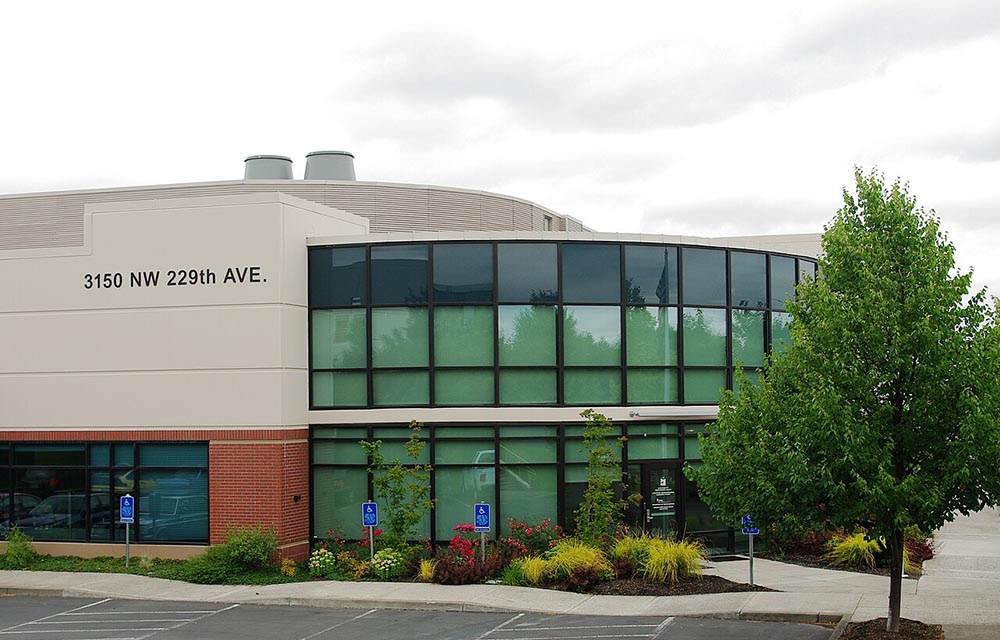
The U.S. state of Oregon has fined Clackamas, Oregon, U.S.A.-based seafood processor Pacific Seafood USD 3.2 million (EUR 2.7 million) for wastewater violations at three of its processing facilities.
“Pacific Seafood has operated in Oregon for 85 years – we started with a small storefront on Powell Street in Portland. Now we are facing obstacles that call into question leaving the state we love because DEQ is destroying the seafood industry," the company said in a statement. "Their targeted actions against us are part of a systematic destruction of the coastal fishing economy including seafood processors, fishermen, Ports, coastal businesses, and all the hard-working Oregonians who rely on seafood for their livelihoods."
The company, which has been targeted for wastewater violations in the past by both state and conservation groups, was quick to criticize the fines.
“[The Oregon Department of Environmental Quality] is forcing seafood companies to treat wastewater to levels thousands of times cleaner than drinking water,” Pacific Seafood said in a statement, according to Oregon Public Broadcasting. “According to DEQ, the heavy metals in Oregon’s tap water are safe enough for the drinking fountains in our schools but not safe enough for seafood companies to pour down our drains.”
The bulk of the penalties – USD 2.9 million (EUR 2.5 million) – were levied against the company’s facility in Charleston, Oregon, where the state claims the company failed to install a required treatment system. Another USD 104,800 (EUR 89,389) fine was issued to Warrenton, Oregon-based Pacific Seafood subsidiary BioOregon Protein for higher than allowed chlorine discharges and missed monitoring reports, and a USD 114,000 (EUR 97,235) fine was issued to a Brookings, Oregon-based Pacific Seafood facility – which has already been shut down – for discharging oil and fish waste into a local river.
Pacific Seafood claimed that it has attempted to fix the violations highlighted by state regulators but has not been able to secure the needed permits, authorizations, or other support from the state needed to do so. Some of those permits are "technically impossible" to achieve, the company said.
DEQ rejected that framing.
“These interim years, we’ve had a lot of conversations with Pacific Seafood about the challenges they’re facing in being able to install a treatment system,” Erin Saylor, DEQ’s compliance and enforcement manager, told Oregon Public Broadcasting. “Our conversations with them have just stalled out at this point. And we’re at the point where it’s clear that having those conversations isn’t working and it’s time to move forward with enforcement.”
Still, the state said it is willing to reduce the penalty if the company installs the treatment system at the Charleston plant.
“USD 2,407,662 (EUR 2,053,593) of the civil penalty represents the economic benefit you gained by failing to install and operate the required treatment system. If you complete these requirements, DEQ will consider recalculating the costs as delayed rather than avoided and will reduce the civil penalty accordingly. Continued failure to install treatment in accordance with the order may result in assessment of additional civil penalties,” DEQ stated in a letter to Pacific Seafood.
The company also has up to 20 days to appeal the fines.
Separately, Pacific Seafood is facing a lawsuit from conservation groups alleging the company is a serial violator of its Clean Water Act permit.
"For years, Pacific Seafood has reported discharge data showing it is consistently violating pollution limits in its Clean Water Act permit," Northwest Environmental Defense Center Executive Director Jonah Sandford said in January. "These pollution limits are in place to protect sensitive fish and aquatic life, as well as communities that depend on a healthy Columbia River. The hundreds of violations alleged in the complaint show that the facility is causing real harm to this treasured ecosystem that must be stopped."
Pacific Seafood was fined USD 222,000 (EUR 188,000) in 2024 for Clean Water Act violations.
