


The European Council has revealed its 21st sanctions package on Russia, leaving off any seafood products despite earlier plans.
The E.U. reportedly adopted the latest sanctions package on 23 July but took time to publish the details of the package. Its official announcement gave an extensive list of products and 218 entities – including 48 individuals – as it continues to respond to Russia’s invasion of Ukraine.
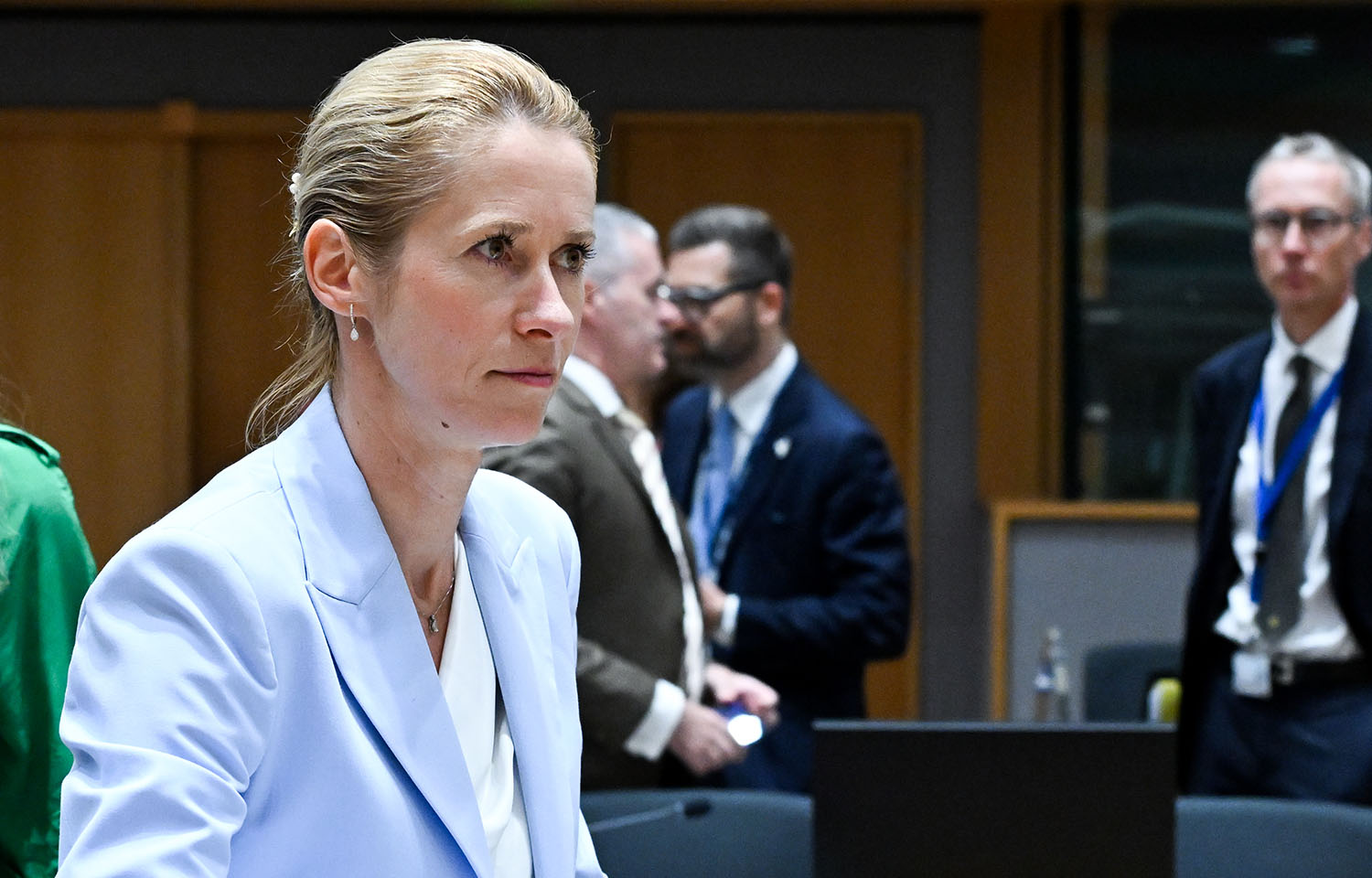
“With each round of sanctions, we squeeze Russia’s economy and its capacity to prolong its illegal war,” E.U. Foreign Affairs Council Chair Kaja Kallas said. “Our 21st package includes the highest number of listings in four years. We’re hitting over a hundred banks and crypto operators, 40+ vessels in Russia’s shadow fleet, and several oil refineries in Russia and Belarus.”
The document lists several items from Russia, as well as items E.U. member states are prohibited from exporting to Russia like nickel powders and metals and alloys.
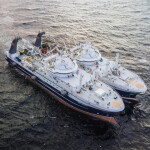
One thing the new sanctions list does not target is fisheries.
European Commission President Ursula von der Leyen said in June that the 21st sanctions package was going to go after fisheries, representing “the last major unsanctioned sector” in Russia. Those measures included restrictions on species and even a total ban on Russian-caught cod.
However, reports emerged of multiple member states of the E.U. pushing back on the additional sanctions, with Germany, France, the Netherlands, and Poland all reportedly opposed to any additional restrictions on seafood.
Seafood companies and organizations in the E.U. have historically opposed blanket restrictions on Russian-produced seafood. Trade organizations have pushed for the E.U. to avoid any heavy sanctions on seafood products, and the E.U. Fish Processors and Traders Association and the European Federation of National Organizations of Importers and Exporters of Fish – which rebranded as Seafood Europe from AIPCE-CEP in 2025 – has written letters to maintain imports of Russian seafood.
Though seafood was not included, Kallas said that the bloc plans to continue its pressure on Russia to pursue a resolution to the country’s invasion of Ukraine.
“Russia will only negotiate to end its illegal war and stop killing civilians if it is pressured to do so," she said. “Sanctions add to this pressure.”
