


Japan-based seafood giant Umios (formerly Maruha Nichiro) has decided to split up its subsidiary Taiyo A&F (TAFCO) and take on the aquaculture and processing portion of the business.
The transaction, effective 1 October, was approved by Umios’ board of directors on 28 July. Because TAFCO was already a wholly owned subsidiary of Umios, certain details of the transaction are omitted from public disclosure.
Umios said that TAFCO was already previously separated into a three-segment structure comprising fisheries, aquaculture, and processed foods.
“Of these, the aquaculture and processed foods businesses have very high affinity with [Umios'] respective existing businesses, and synergies are expected from integration,” Umios said.
The company said that those synergies will be enhanced by transferring TAFCO’s aquaculture and processed food segments to Umios and described a few different ways it plans to move forward.
Chief among those are absorbing TAFCO’s bluefin tuna farming capabilities. TAFCO has ranched bluefin tuna since 1985, and the company said it has continuously improved its techniques and facilities since then to produce a better quality product. In Umios’ announcement, the company acknowledged TAFCO’s expertise at farming the species.
“TAFCO farms bluefin tuna, and the high quality of its product is highly regarded by business partners,” Umios said.
Umios said by integrating the tuna portion of the business, it can develop a more robust sales strategy using both companies’ product characteristics. It also said it plans to improve operational efficiency “through greater personnel mobility and unification of operational workflows.”
It will also combine the farming know-how of the two companies.
The move reinforces what Umios CEO Masaru Ikemi told SeafoodSource in March that one of the company’s overall objectives is to move from “catching fisheries” to “farming fisheries,” using technologies to cultivate fish and build on its short-term tuna farming ventures.
“We are working to reduce environmental and human burden by utilizing technologies such as cultivating farmed fish that are less susceptible to global warming effects, AI-based fish counting management, short-term tuna farming, and the introduction of submersible fish cages,” Ikemi said at the time.
The other portion of the split, the processed foods business, will see TAFCO’s product lineup be brought to a wider audience and introduced overseas. The company operates an agricultural products business that handles vegetables and seasonings, as well as some dried foods like salmon flakes, according to Umios.
“TAFCO's business domain has extremely high affinity with the company's existing businesses, and by combining the technology and strengths of both companies, the company aims for further business expansion,” Umios said.
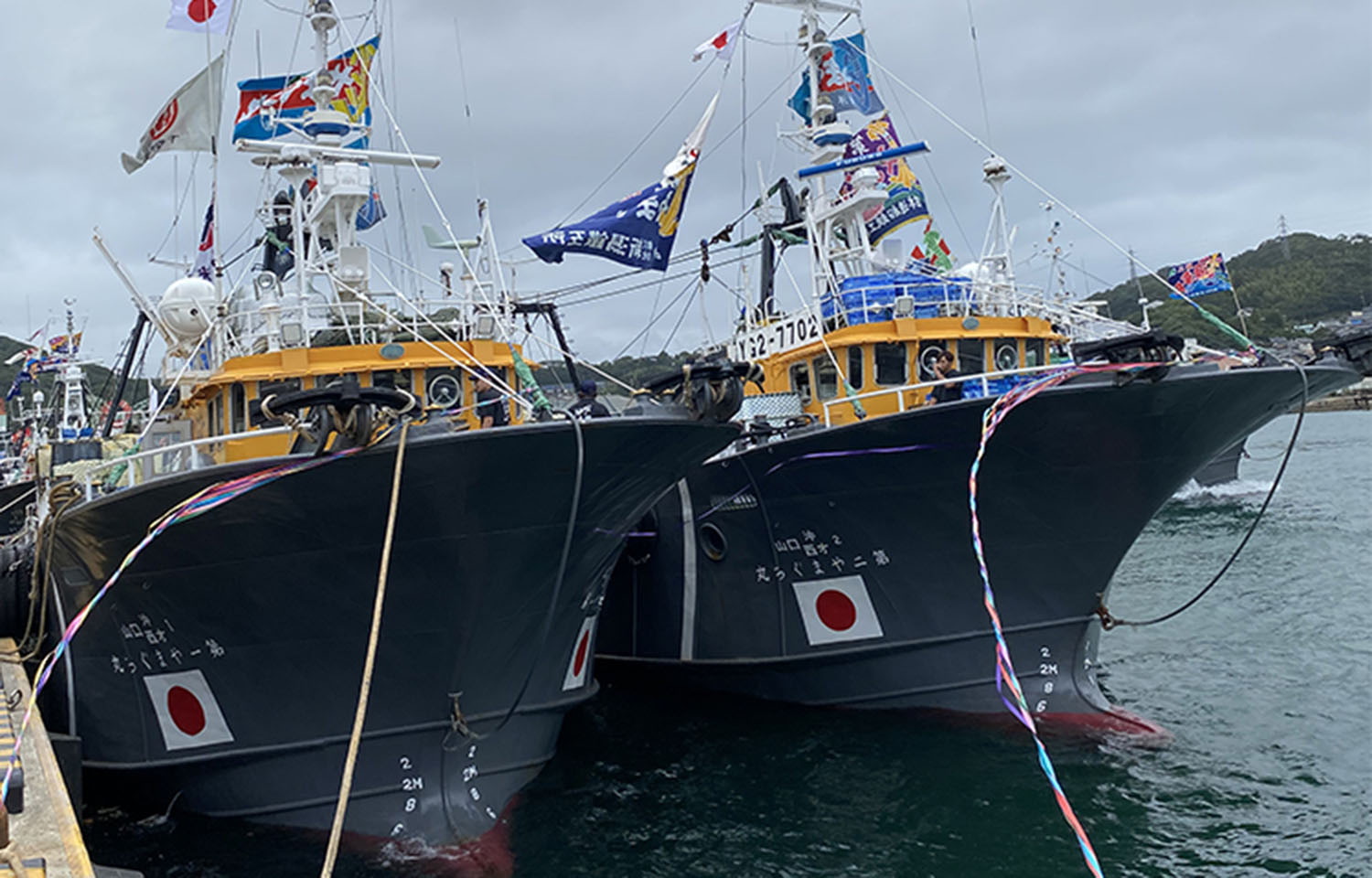
TAFCO’s third segment, fisheries, will go on to serve as a core company at Umios.
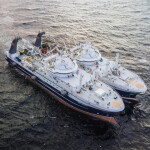
“Going forward, TAFCO will focus its management resources on the fisheries business, promoting improved operational efficiency through the introduction of newly built vessels and strengthening a sustainable business operation system based on resource management,” Umios said. “Through this, the company aims to further enhance its capacity to stably supply marine protein while strengthening its competitiveness in global markets and enhancing long-term corporate value, supporting the realization of the Umios Group's goal of ‘providing sustainable protein.’”
TAFCO was established in 1950 and, according to Umios, has total assets of JPY 25.6 billion (USD 156 million, EUR 137 million). Its net sales for fiscal year ending March 2026 stood at JPY 20.8 million (USD 127 million, EUR 111 million), and its operating profit was JPY 352 million (USD 2.1 million, EUR 1.9 million).
