






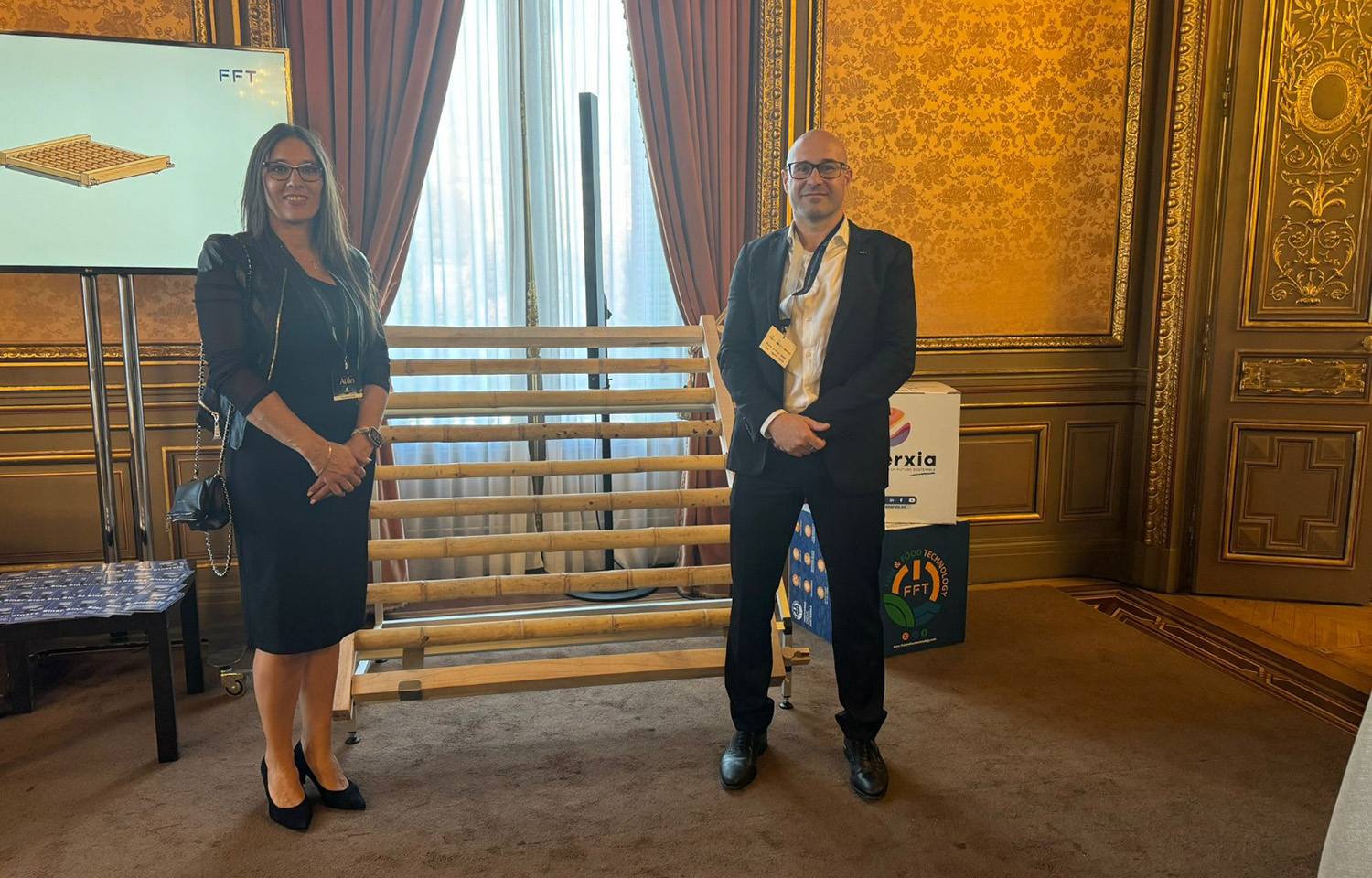
Coruña, Spain-based Sinerxia, a fisheries and agri-business consultancy group, is currently testing what it calls the first fully biodegradable Fishing Aggregation Device (FAD).
Sinexia and its technological subsidiary Food & Fish Technology (FFT) developed what it calls the "EcoFAD," which uses plant-based materials that are sturdy enough to function as an FAD while remaining biodegradeable.
According to the company, the device’s “biodegradability ensures that, at the end of its lifecycle, the EcoFAD naturally dissolves in the ocean without leaving lasting residues, significantly minimising the environmental impact on marine ecosystems.”
Sinerxia EcoFAD is built from a variety of sustainable woods, including paulownia, bamboo, and beech, all of which ensure durability and minimal environmental impact. It can be assembled quickly without specialized tools or training, and is thus applicable to a variety of fishing fleet settings.
The device is currently being tested in high fishing activity areas in the Atlantic, Pacific, and Indian Oceans, including strategic ports in Ecuador, Seychelles, and Ivory Coast. It has also undergone sea trials and two years of research to get to its current state.
The EcoFAD launch comes as regulatory bodies around the world are increasingly pushing for FADs to be environmentally-friendly. Traditional plastic FADs contribute significantly to marine pollution. Additionally, since their materials are slow to break down, they may continue to catch fish unintentionally after they have been released from a fleet, a process known as “ghost fishing.”
Plastic FADs also contribute to the risk of entanglement and ingestion for marine mammals. For all these reasons regional fisheries management organizations have been increasingly turning away from traditional FADs and encouraging fishers to use ones that would have lower costs for the environment.
The International Commission for the Conservation of Atlantic Tunas has advised that when building FADs biodegradable materials should be prioritized, and NGOs have pushed for stricter standards for years.
Sinerxia said the product was designed in response to the increasing industry and regulatory pressure.
