






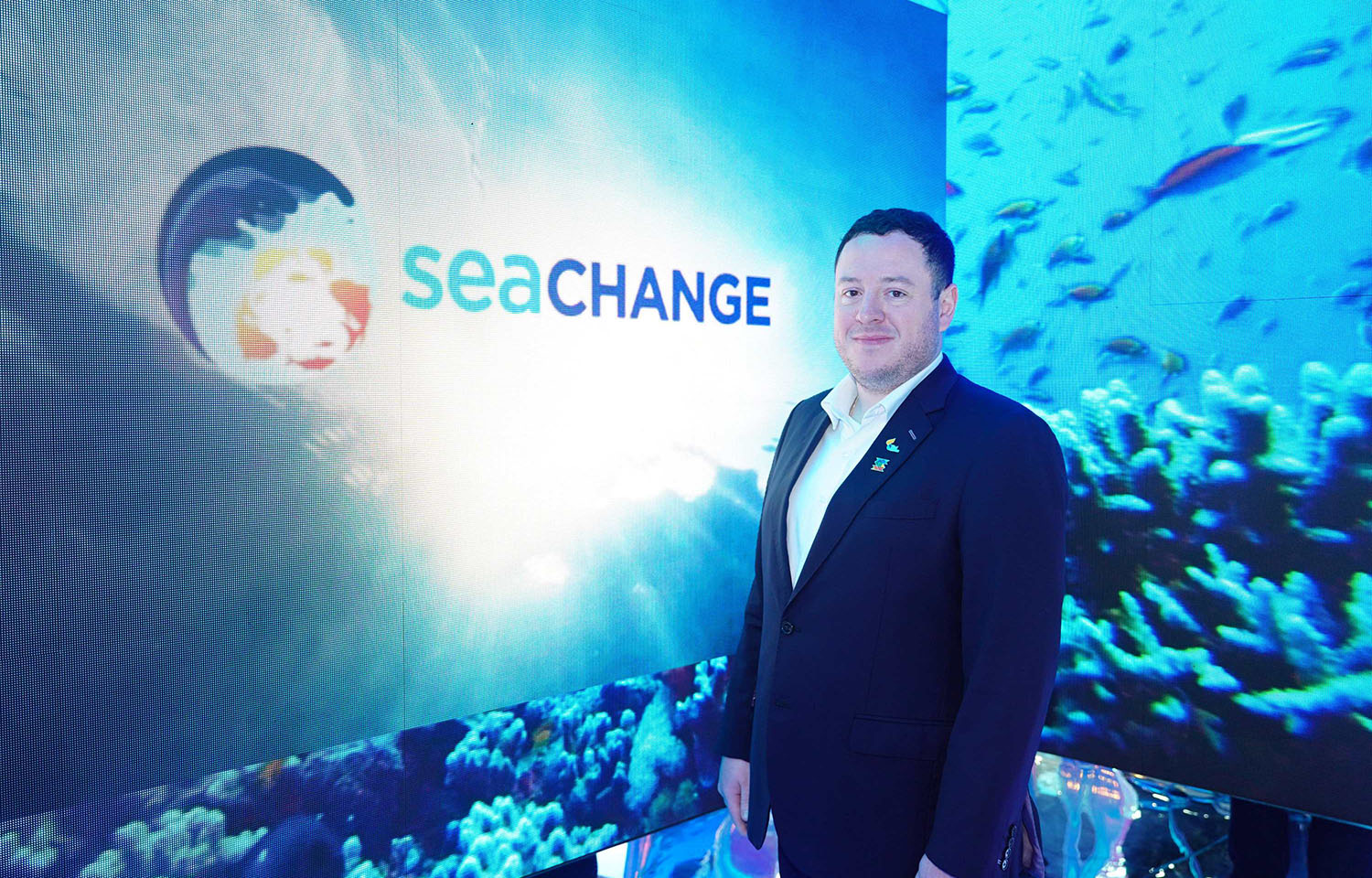
Samut Sakhon, Thailand-headquartered Thai Union used the United Nations Ocean Conference, which ran from 9 to 13 June in Nice, France, as an opportunity to call others to join its global sustainability strategy: SeaChange 2030.
“Safeguarding the ocean is not just an environmental priority but a shared responsibility and a long-term investment in global resilience,” Thai Union CEO Thiraphong Chansiri said. “Through SeaChange 2030, we’re demonstrating what’s possible when companies embed sustainability in business strategy. But, no single company can achieve this alone; collaboration across sectors and borders is essential.”
Thai Union’s SeaChange 2030 strategy involves 11 interconnected commitments that the company has made to advancing sustainability by 2030, many of which are related to the UN’s Sustainable Development Goal 14, "Life Below Water." The company has said that by 2030, it will have invested USD 200 million (EUR 172.9 million) in these sustainable initiatives.
In tandem with the call to action, the company released its 2024 Sustainability Report, which described the progress the company had made toward advancing responsible sourcing, protecting marine ecosystems, and building climate resilience across global seafood supply chains.
Highlights from the 2024 Sustainability Report include upping the percentage of the company’s tuna which comes from Marine Stewardship Council-certified sources or sources that are under a fishery improvement project to 98.9 percent, up 14 percent from the previous year.
Another achievement, the company said in a release, was 97 percent on-the-water monitoring achieved throughout the Thai Union tuna supply chain. The company said that it expects full coverage to be achieved in 2025.
The company also said that it had reduced scope 1 and 2 greenhouse gas emissions by 21 percent. These terms refer to categories used in corporate carbon accounting. Scope 1 emissions are produced directly by sources owned or controlled by the company, while Scope 2 emissions are indirect, produced from purchased energy.
Additionally, 23 of the company’s 32 manufacturing and distribution sites had achieved zero waste to landfill status in 2024; it launched a Lower Carbon Shrimp Program, which will decarbonize shrimp production as well as lower some greenhouse gases; and it diverted 234 tons of plastic away from waterways and oceans in 2024.
