

The University of Maine (UMaine) at Machias has created a new public database that collects information on soft-shell clams and European green crabs from coastal communities.
“Communities have been collecting important fisheries data for years, but it hasn’t always been easy to use or share,” said UMaine Assistant Professor of Civil and Environmental Engineering Georgios Boumis, who leads UMaine’s Future Coasts Lab. “By bringing it together in a single, open platform, we can help people see long-term patterns and make better-informed decisions.”
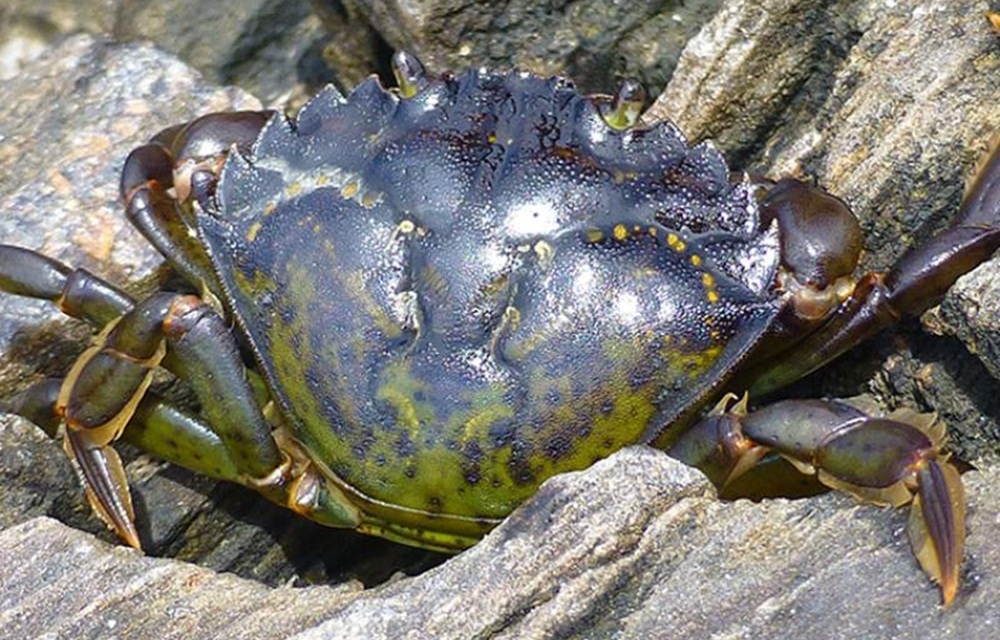
Though many communities along Maine’s coast collect data on soft-shell clam recruitment and the spread of the invasive green crabs that threaten them, that information is mostly siloed in those communities and difficult to access for the general public. According to UMaine researchers, that makes it difficult for clammers, regulators, and local officials to make educated decisions on clam management and other conservation decisions.
“Data is only valuable if people can access and understand it,” said Brian Beal, a UMaine professor of marine ecology and the director of the Marine Science Field Station at the Downeast Institute. “This project is about breaking down barriers between science and the public and making long-term ecological information available to the clammers, towns, educators, and policymakers who depend on it.”
With grant funding provided by the Maine Coastal and Marine Climate Action Fund, UMaine researchers are working to establish an interactive, user-friendly web platform that takes data from 12 communities and compiles and visualizes it. The publicly accessible site will contain data from 2020 onward, providing a long-term view of soft-shell clam recruitment. According to UMaine, the data will be standardized and searchable, enabling officials to explore data by town, site, species, year, density, and size distribution.
“Easy access to this data will be so helpful when we prepare reports for Islesboro’s annual town report and for our Shellfish Committee, which is composed of volunteers from the community, as we make decisions about what to do to protect ‘our’ clams from predation,” Islesboro Shellfish Committee Member Janis Petzel said in a release.
The tool will be hosted on the Downeast Institute’s website along with tutorials and other helpful information.
