





Three U.S. conservation groups have challenged NOAA Fisheries’ approval of seafood imports from eight nations, arguing that they have not implemented protections for marine mammals that are comparable to those in force in the U.S.
“The United States can save the lives of countless whales and dolphins getting caught in fishing gear around the world, but only if it enforces the law,” Center for Biological Diversity (CBD) International Program Director Sarah Uhlemann said in a release. “This litigation should result in a seafood import ban for the eight nations, and the governments will have to crack down on deadly bycatch to get back into the lucrative U.S. seafood market.”
Beginning last year, NOAA Fisheries has been required to verify that foreign fisheries have implemented protections comparable to those included in the U.S. Marine Mammal Protection Act (MMPA).
“Thanks to the Marine Mammal Protection Act, the United States has worked to save countless numbers of whales, dolphins, and other animals from dying in fishing gear,” Earthjustice Senior Attorney Danika Desai said in a release. “But many other governments do not have similar protections and fisheries drown and injure marine mammals at alarming rates. Seafood from those dirty fisheries will wind up on our plates unless the U.S. government follows the law and bans it.”
In August 2025, NOAA Fisheries announced that 240 fisheries from 46 nations were denied comparability findings. Nations who were denied comparability findings were invited to update their regulations and reapply, and some – such as Ireland and Grenada – were able to successfully demonstrate compliance, secure a comparability finding, and regain access to the U.S. market.
However, a group of conservation organizations claim that NOAA Fisheries issued comparability findings to nations that are not doing enough to protect marine mammals. In a lawsuit filed 21 May in the U.S. Court of International Trade, CBD, Natural Resources Defense Council (NRDC), and Animal Welfare Institute challenged the comparability findings issued to eight countries: Argentina, Ecuador, India, Norway, Taiwan, Tunisia, the United Kingdom, and Vanuatu.
The lawsuit claims the comparability findings issued for those eight nations “are based on incorrect assumptions, flawed and inadequate evidence, and other logical and factual errors.”
“Americans want seafood that doesn’t lead to the deaths of thousands of whales or dolphins,” NRDC Director of Global Biodiversity Conservation Zak Smith said in a release. “The U.S. seafood industry is a world leader in this, but our government continues to let foreign fisheries peddle their whale- and dolphin-killing fish into the United States as long as these governments say they’re ‘trying.’ That is not good enough. It’s time for our government to work for U.S. consumers and fishers and stop letting foreign fisheries off the hook.”
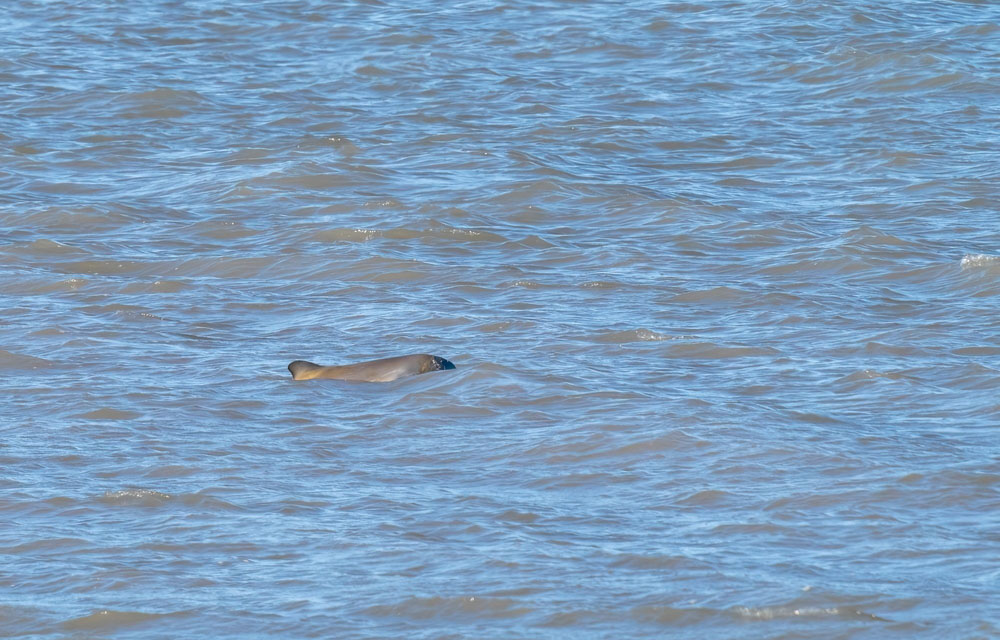
Examples highlighted by the organizations include the failure of Vanuatu tuna fishers to use special hooks designed to reduce false killer whale bycatch, the high number of franciscana dolphin caught by Argentinian commercial fishers, and exceedingly high bycatch rates of gray seals and harbor porpoises in Norway. Other nations simply do not collect the data necessary to estimate bycatch levels.
“Marine mammals play an immensely important role in ocean ecosystems, and saving our oceans is vital to saving our planet,” said Georgia Hancock, director and senior attorney of the Animal Welfare Institute’s Marine Wildlife Program. “Through lenses ranging from welfare and conservation to economic fairness, it is simply unacceptable that foreign fisheries are killing these amazing animals by the thousands while still being allowed to export seafood products to the United States.”
In response, the plaintiffs have asked the court to declare the comparability findings issued to the eight named countries unlawful and ban imports from those nations.
