


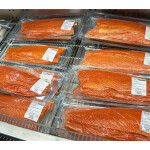

NOAA Fisheries has completed its analysis of which foreign fisheries comply with U.S. marine mammals protection requirements, determining that 240 of those fisheries should be banned from exporting to the U.S.
Under U.S. law, foreign fisheries must be found to have bycatch prevention measures comparable to those governing American fisheries under the Marine Mammal Protection Act (MMP) by January 2026. To continue importing seafood products from foreign fisheries, those fisheries must be issued a comparability finding from NOAA Fisheries verifying there are marine mammal protections in place.
“If you want to sell your seafood in the United States, it is only fair that you live up to the same strict marine mammal protections that other fishermen abide by. And if you can't do that, you shouldn't have a market here, or anywhere else for that matter,” Zak Smith, a senior attorney at Natural Resources Defense Council (NRDC) said in a statement. “The promise of the Marine Mammal Protection Act is that seafood sold in the United States comes only from commercial fisheries that do not kill or seriously injure marine mammals. U.S. consumers and fishermen deserve nothing less and today’s action brings us closer to that promise.”
On 28 August, NOAA Fisheries announced that of the 2,500 fisheries from 135 nations that it looked at, 240 fisheries from 46 nations were denied comparability findings.
“The import provisions guarantee that foreign fisheries meet the gold standard that is set by American fishermen," Eugenio Piñeiro Soler, acting assistant secretary of commerce for oceans and atmosphere and NOAA Fisheries assistant administrator, said in a statement. "This is a major win for American workers, consumers, and our marine ecosystems. By enforcing these standards, we’re protecting our domestic seafood industry and ensuring only safe, sustainable seafood reaches American tables.”
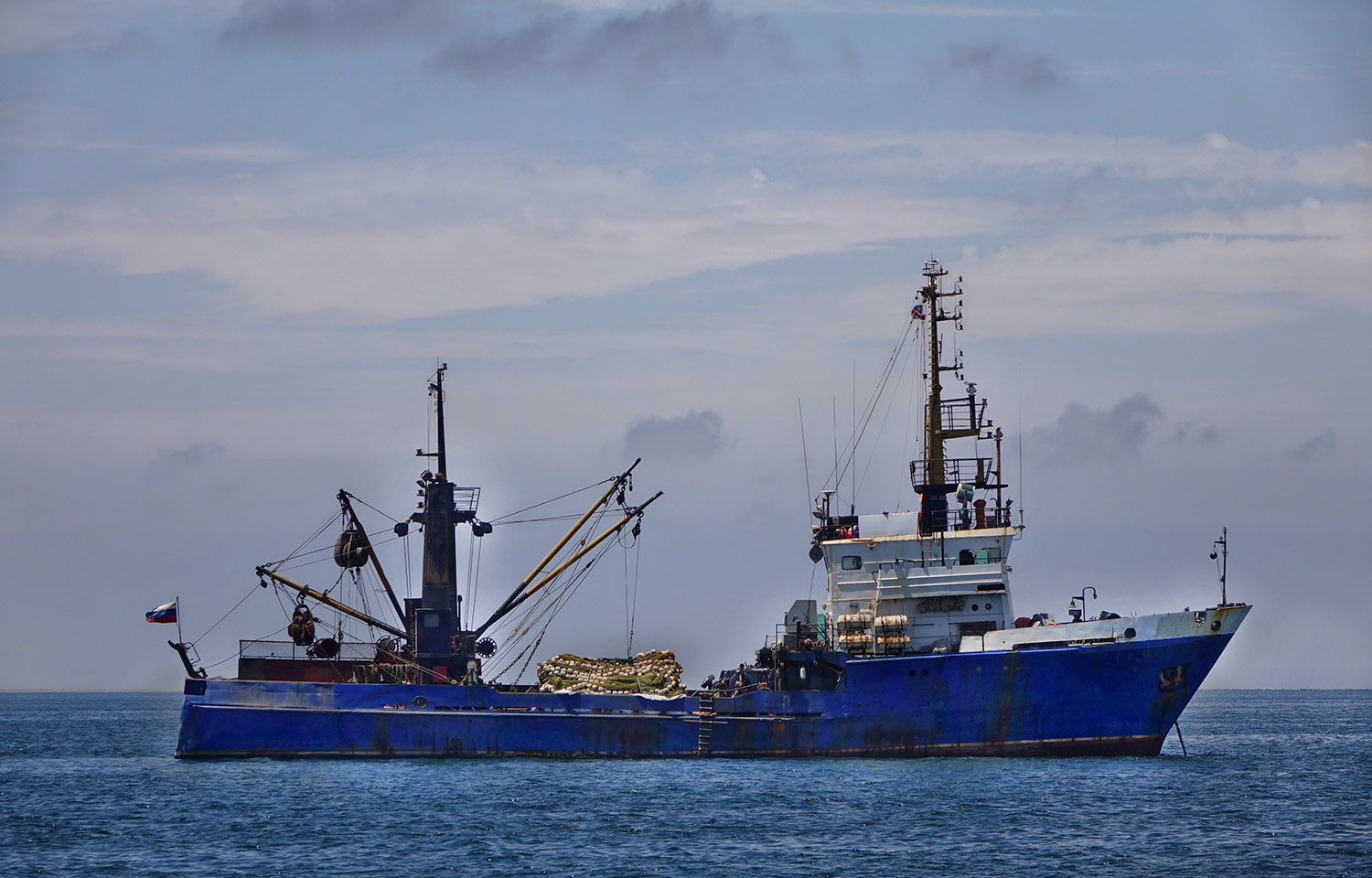
A total of 12 nations were denied comparability findings for all of their fisheries. Four nations – Benin, Haiti, Iran, Venezuela – did not submit any application for a comparability finding and were automatically denied. Another 8 nations – Grenada, Guinea, Namibia, New Caledonia, Russia, Saint Lucia, The Gambia, and Togo – applied, but were still denied.
“Nations whose fisheries were denied comparability findings are prohibited from importing fish and fish product from those fisheries into the United States beginning January 1, 2026, and may reapply for a comparability finding for the affected fisheries at any time after January 1, 2026,” NOAA Fisheries said in a statement.
The announcement was welcomed by conservation groups, many of which have pressured the U.S. government to prohibit seafood from fisheries that aren’t working to prevent bycatch, even using a lawsuit to stop NOAA Fisheries from further extending the deadline for issuing findings.
“This is a lifesaving victory for whales and dolphins swimming in the waters of Mexico, Vietnam, and other nations,” Sarah Uhlemann, international program director at the Center for Biological Diversity (CDB), said in a release. “These conservation sanctions will mean fewer beloved marine mammals will get caught and killed in fishing gear. I only wish the U.S. government had gone further, since many other nations also need to do a better job avoiding bycatch.”
