




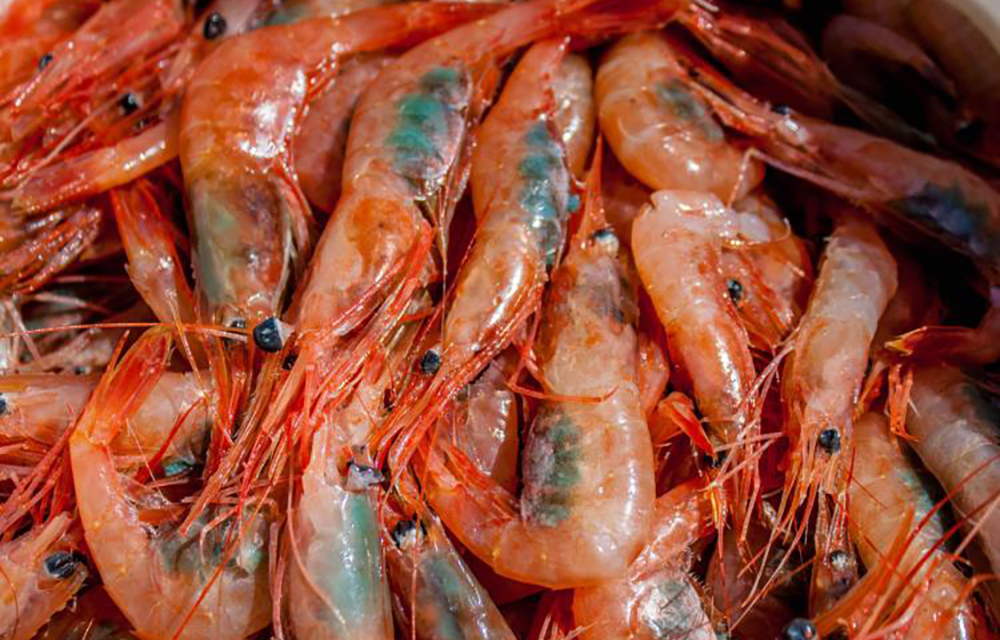
The Atlantic States Marine Fisheries Commission voted to extend a decade-long moratorium on harvesting northern shrimp, but it will allow a small winter harvest to collect data on the stock.
The moratorium went into place in 2014 after regulators determined the stock’s biomass was too low, but the population has yet to recover. A 2024 government stock assessment update found no improvement, while the 2023 summer survey found that abundance, biomass, and recruitment were the lowest since data began being collected in 1984.
However, New England fishers will soon have an opportunity to show regulators that northern shrimp are more abundant than previous surveys have shown.
With the discontinuation of the summer shrimp survey, the Atlantic States Marine Fisheries Commission has approved a 2025 winter sampling pilot program. The limited winter harvest will run through March or whenever fishers hit the 26.5 metric ton research set-aside program.
“The goal of the program is to continue the winter time series of biological data for shrimp by collecting samples similar to those that might have been collected under an active commercial fishery,” the commission said in a press release. “Maine, New Hampshire, and Massachusetts will work in the coming weeks to outline the provisions of the pilot sampling program, determine a start date, and select the number of participants.”
U.S. Representative Jared Golden (D-Maine) hailed the announcement as a win for Maine fishers and an opportunity to collect better data for regulators.
“The men and women who work on the water every day are the most committed stewards of our ocean resources, whose expertise should be respected – not ignored,” Golden said. “Today’s decision by ASMFC to launch an industry-based survey of the shrimp fishery in the Gulf of Maine, and to allocate stock to that survey, is great news for Maine’s working waterfronts. It puts the fishermen right where they should be – at the helm of data collection efforts that will shape their futures and their livelihoods.”
Maine Coast Fishermen’s Association Executive Director Ben Martens welcomed the opportunity provided by the winter sampling pilot, but cautioned fishers not to raise their expectations too high as the pilot will be industry-funded.
“While this is an exciting opportunity for fishermen to show scientists and managers that there is shrimp in the Gulf of Maine, we also need to stress that there is no money for this research so boats that are interested in participating will only get paid if they catch shrimp,” Martens said in a blog post.
