






U.S. lawmakers in Congress have introduced legislation to improve research into removing carbon dioxide from the ocean, potentially through aquaculture practices like seaweed farming.
“Carbon dioxide removal is an essential tool in the fight against the climate crisis, in addition to being a driver of American innovation,” U.S. Senator Brian Schatz (D-Hawaii) said in a release. “Our bill will encourage research into mCDR [marine carbon dioxide removal] to ensure it’s safe and effective, benefits coastal communities, and protects ecosystems.”
The Removing and Sequestering Carbon Unleashed in the Environment and Oceans Act (ReSCUE Oceans Act) would establish a dedicated research program within NOAA to study mCDR and issue grants, develop a framework for mCDR field research sites, create an interagency working group to develop a federal mCDR research plan, and more.
“We must do all we can to reduce carbon pollution, which fuels more frequent and extreme weather events,” U.S. Representative Suzanne Bonamici (D-Oregon) said in a release. “Marine carbon dioxide removal is a promising strategy that can enhance the ocean’s role as a natural carbon sink to absorb and store emissions. But, we need more rigorous science, meaningful federal investment, and a clear research framework to safely deploy it.”
Versions of the bill have been introduced in both the U.S. House and Senate.
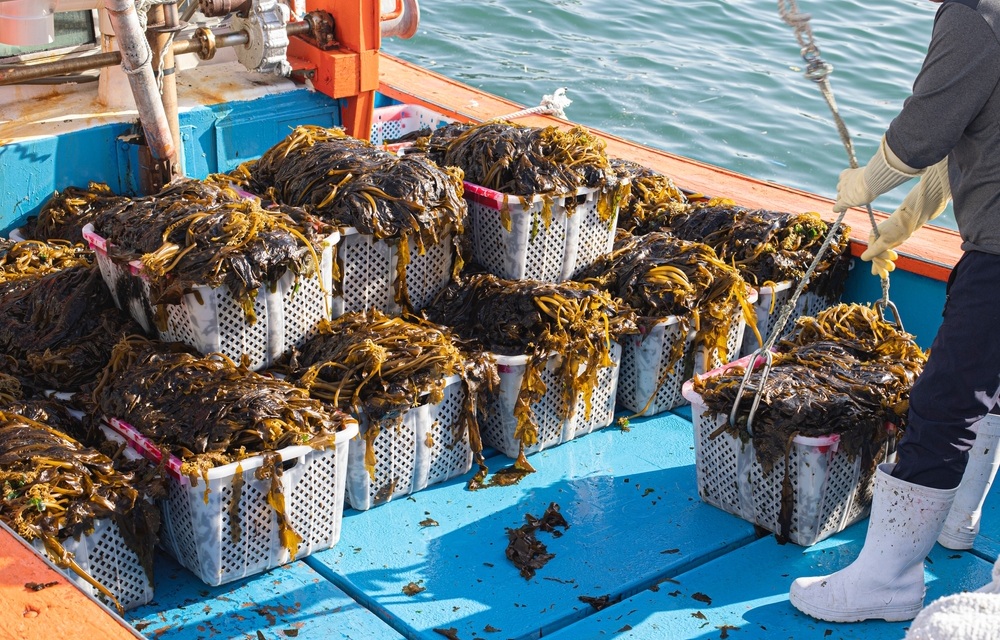
Seaweed farming could benefit from research into mCDR, the lawmakers noted, since kelp draws carbon dioxide out of the waters it's grown in.
“Alaska has unrivaled potential for carbon sequestration and carbon dioxide removal, both onshore and offshore. As the state with by far the most coastline, emerging marine options, such as seaweed and kelp farming, have shown great promise as we seek to responsibly reduce emissions on a net basis,” U.S. Senator Lisa Murkowski (R-Alaska) said in a statement. “Our bipartisan, bicameral legislation will provide for new research and development of these technologies in close partnership with local governments, communities, and the private sector. As we seek to develop them the right way – fully protecting our marine environment – I’m excited by what lies ahead and the opportunities this will help create across Alaska.”
The legislation has been endorsed by Carbon180, the Carbon Removal Alliance, the Carbon To Sea Initiative, ClearPath Action, Climate Innovation Action, Ocean Conservancy, Ocean Visions, the World Resources Institute, and Third Way.
“It is important to use science and knowledge to evaluate every tool available to address climate change – and that includes understanding if the ocean can help. The ReSCUE Oceans Act offers a chance to ‘look before we leap.’ This legislation will fund needed collaboration and research to explore if mCDR methodologies work and if they will create unintended consequences for coastal communities and the ocean ecosystems that already absorb one-third of manmade carbon dioxide emissions,” Ocean Conservancy Director of Climate Science Amanda Carter said in a statement. “Ocean Conservancy is encouraged by the bipartisan support for this legislation, and we urge Congress to pass this bill to explore the role ocean innovation can play in safe and effective carbon removal.”
