



The Woods Hole, Massachusetts, U.S.A.-based Woods Hole Oceanographic Institution (WHOI) released a new study finding that industrial-scale fishing has removed “substantial biomass from the ocean’s twilight zone” for several decades, casting doubt on the claim that this ecosystem remains unexploited.
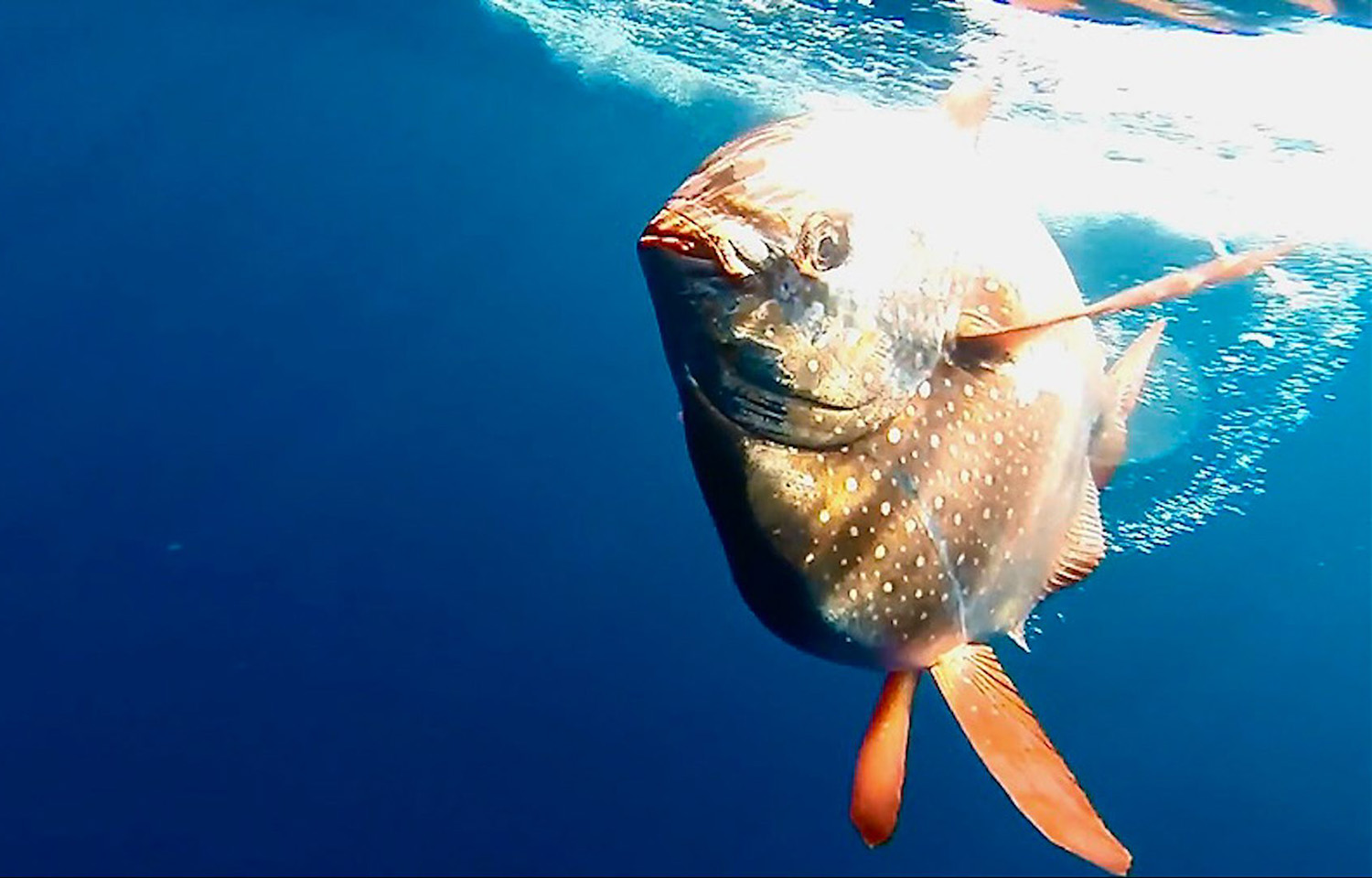
The study, titled “Hidden in Plain Sight: Decades of Industrial-Scale Fishing in the Ocean's Twilight Zone,” focuses on the “dark web” species, which WHOI refers to as “a poorly understood group of large midwater fishes” such as pomfrets and snake mackerels. These organisms that live in the mesopelagic zone, which is about 1,000-2,000 meters below the surface, remain largely uncovered in scientific studies and are regularly caught by commercial fisheries, according to the release.
“Much of the discussion around the ocean twilight zone has assumed large-scale fishing there has not really begun,” Martin Arostegui, lead author of the study and research associate at WHOI, said. “Our study shows that for these larger midwater fishes, that is simply not the case.”
In the release, the researchers suggest improved catch reporting and a better integration of these species into fisheries management frameworks. With improved data and coordinated policy action for mesopelagic zone fish, those working in fisheries could better understand these species beyond just commercial catch.
“This study highlights how much remains to be learned about life in the twilight zone and how urgently we need better monitoring and management,” Arostegui said.
Additionally, the study found heavy amounts of mesopelagic fishing pressure globally, declining abundance, shrinking fish size, and systemic under-reporting.
“We know surprisingly little about these fishes despite their likely importance to ocean ecosystems,” Camrin Braun, an oceanographer and ecologist at WHOI and study co-author, said. “That knowledge gap makes it difficult to understand how fishing pressure may already be affecting food webs and ocean carbon storage.”
The study analyzed decades of catch records from the Hawai’i-based longline fishery and global catch records of midwater species to track the growth. Researchers found the Hawaiian longline fishery that fishes for tuna and swordfish has one of the most thorough and long-term data sets, and that some fisheries exceed target catches of “twilight-zone” species starting over 100 years ago, such as pomfrets and opahs. Other species like lancetfish were often heavily discarded.
“In many fisheries, so-called discard species are thrown back because they have little to no market value, but studies show that roughly 80 to 100 percent of these ‘dark web’ midwater fish die after release due to capture stress and injury, meaning they are effectively returned to the ocean already dead and simply sink out of the system,” Simon Thorrold, a co-author of the study and fish ecologist at WHOI, said.
While the study points out research gaps in understanding these species, the release said “twilight zone” species are known to serve as prey for predators such as tunas and swordfish, and help move carbon deeper into the ocean through deep and surface water migration which is proven to help combat the effects of climate change. Additionally, WHOI notes that this zone is home to more fish than the rest of the ocean combined, and could possibly be used in future aquaculture experimentation efforts for fishmeal.
