


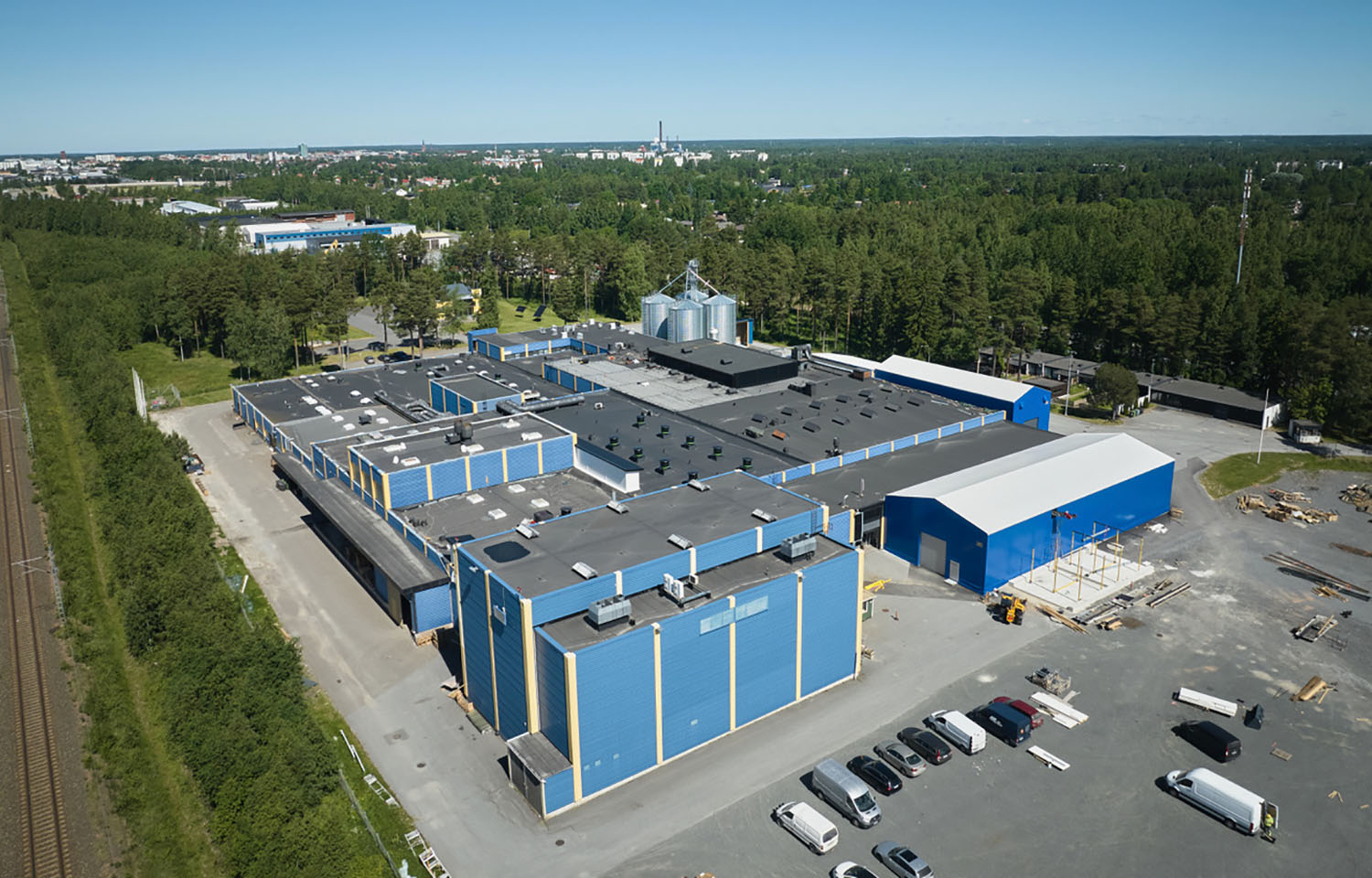
Finnish biotechnology firm Volare is targeting full production at its first industrial-scale insect protein factory next year and is following up with plans for a second facility, as it seeks to demonstrate that a more automated, cost-efficient production model can make alternative ingredients increasingly competitive in the animal feed market.
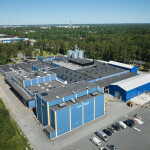
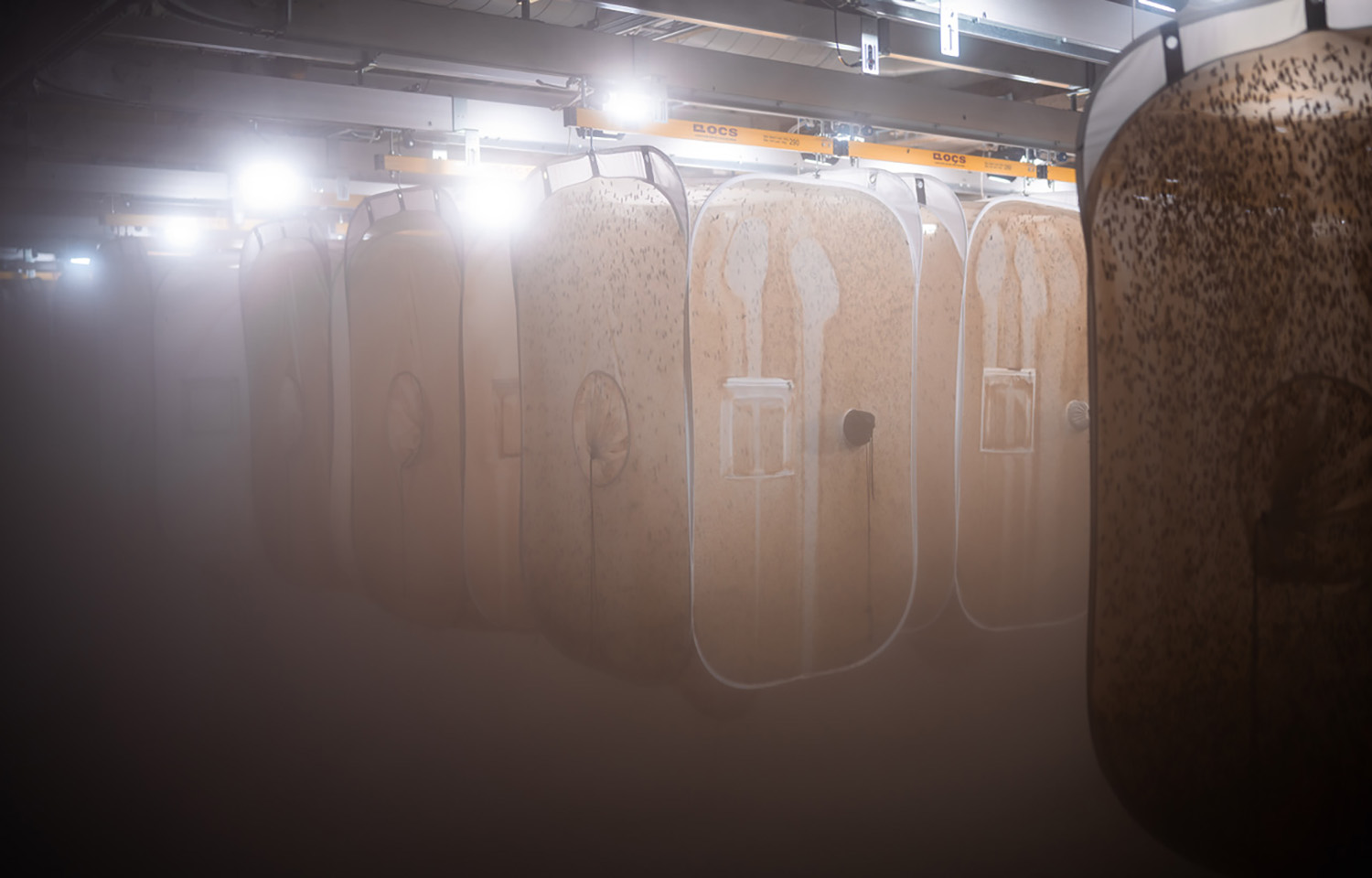
The company will soon open the 10,000-square-meter Volare 01 facility in Pori, Finland, which has been designed to produce up to 5,000 metric tons (MT) of insect protein and 2,000 MT of insect oil annually, derived from black soldier flies.
Completed in October, the EUR 15 million (USD 16.8 million) facility represents a 1,000-fold scale-up from Volare's demonstration plant, where the company developed and refined its production process through four years of commercial production.
“The biggest lesson from scaling up is that the work you do before building the factory determines how efficiently you can operate it,” Volare CEO and Co-Founder Jarna Hyvönen told SeafoodSource. “We spent four years developing and refining our production process before taking it to industrial scale, building on technology originating from the VTT Technical Research Center of Finland and combining it with our expertise in black soldier fly biology and industrial production.”
Hyvönen said keeping engineering and project management in-house has been essential in controlling costs and executing the project’s vision, enabling the company to complete the factory on schedule and within its original budget.
“We're now commissioning the facility and gradually increasing production, and we're aiming to reach full production capacity in 2027,” she said. “Our priority throughout the ramp-up is to maintain the consistent product quality our customers need.”
A central challenge for insect protein producers across the world, many of which have struggled to stay afloat, has been demonstrating that production can be scaled sufficiently to compete economically with established feed ingredients, including fishmeal and other protein sources.
Volare’s plans to address the problems that have sunk other ventures in the sector focus on automation, processing efficiencies, and a comparatively lean operating structure.
The company said its factory requires four to 10 times less capital expenditure than other insect-based production facilities, employs around 50 percent fewer full-time staff, and uses approximately 30 percent less energy in end-product processing. The fully electric, non-fossil-fuel-reliant facility is designed to operate with just four people per shift and produces no processed wastewater.
Volare also reduced construction requirements by repurposing a former newspaper printing facility rather than building a factory from the ground up.
However, the objective is not simply to offer a more sustainable alternative to conventional feed ingredients; it’s to develop a product that makes commercial sense for feed manufacturers, Hyvönen said.
“For aquafeed manufacturers, the difference between testing a promising ingredient and using it in commercial feed production comes down to three things: consistent quality, reliable supply, and competitive pricing. Volare 01 is designed to deliver all three at industrial scale,” she said. “For us, the key has always been to compete on cost and performance, not to depend on high fishmeal prices. Insect protein has strong nutritional properties, but that alone isn't enough. It needs to make economic sense for feed manufacturers. That's why we've focused on making the entire production process more efficient.”
Though Volare is trying not to depend on high fishmeal prices, the facility happens to be reaching full production as the global aquaculture sector faces severe fishmeal supply limitations, causing prices to rise. As a result, Hyvönen said aquafeed manufacturers need to diversify their sources of protein.
“Insect protein gives manufacturers a high-quality protein source that can be produced locally while providing more flexibility in feed formulations and raw material sourcing. Insects are also a natural feed for many aquaculture species,” she said.
Volare's protein meal is already used commercially in aquafeed, including rainbow trout feed developed in collaboration with Alltech Fennoaqua. The company reports digestibility of more than 90 percent for its protein meal and has worked with manufacturers through its demonstration facility, providing samples and supporting product development before customers move to larger volumes.
Commercial applications also include insect-based dog treats developed with Alvar Pet, cat food developed with Dagsmark, and organic poultry feed.
According to Volare, a significant share of Volare 01's production capacity has already been sold, including through an offtake agreement with aquafeed manufacturer Skretting and an agreement with a global chemical company.
Hyvönen described the commitments as a “strong validation” of the company's product and production model.
“Demand is already translating into long-term commercial commitments,” she said. “The industry needs new protein sources, and customers are committing to the volumes we're bringing to market.”
With Volare 01 nearing full production, the company is preparing for its next stage of expansion. Its development plans are supported by a EUR 7.1 million (USD 7.9 million) funding round raised through Springvest, with backing from new and existing investors including Maki.vc.
Hyvönen confirmed Volare has already been planning its next industrial facility, with an ideal annual protein production capacity of 20,000 MT to 30,000 MT. The intention is to replicate the same production model in locations where both customers and suitable food industry sidestreams used as feedstock are readily accessible.
“Access to suitable raw materials is essential for efficient production, and it's one of our main criteria as we evaluate locations for new factories,” she said. “For feed manufacturers, local production could help create more resilient supply chains and provide capacity that can grow alongside their requirements. Volare 01 is the blueprint for that expansion. We've proven we can build industrial production capacity efficiently and within budget. Now, we're focused on ramping up production and bringing more locally produced protein to the market.”
