

An anticipated shortage in traditional fishmeal supply has led stakeholders in the global aquaculture and feed sectors to call for a ramp-up of insect protein production as an alternative feed source.
Though the sector has gained some lobbying momentum, companies in the space have struggled to stay afloat, leading sector observers to question whether insect-derived feed will ever achieve the price parity needed to become a viable alternative.
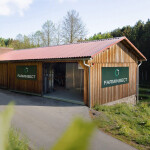
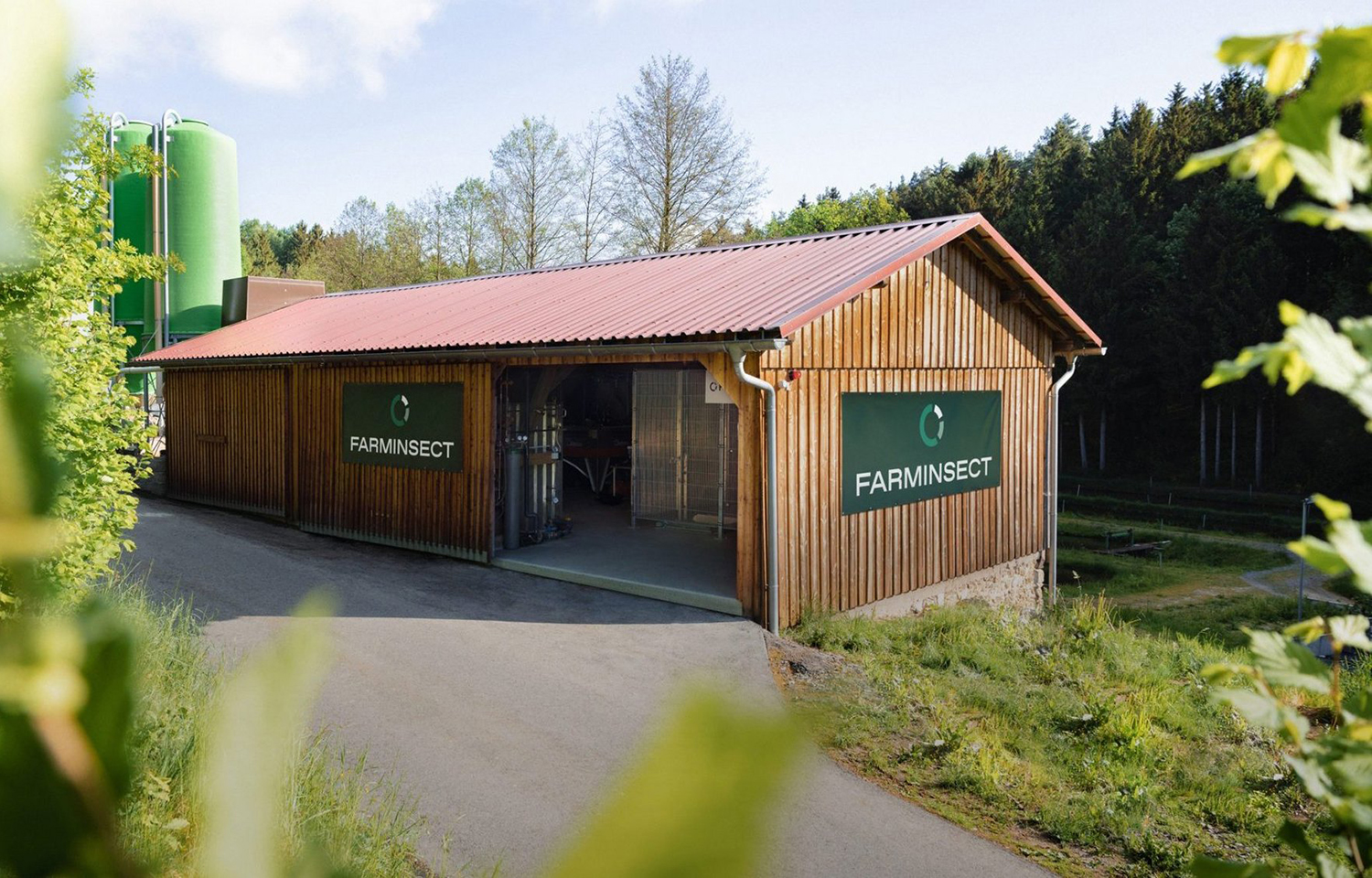
Earlier this year, German insect protein producer FarmInsect became the latest firm in the sector to fold, with the company winding down despite receiving over EUR 16 million (USD 18 million) in investment since 2020.
FarmInsect CEO Wolfgang Westermeier said that the company ended up achieving closer price parity to the rates of traditional fishmeal over its eight years in operation but not close enough to sustain production.
“We drove unit economics close to fishmeal parity and provided decentralized production at real scale,” Westermeier said on Linkedin. “[But,] there was not enough demand at a price that could sustain our production.”
Steven Barbosa, the secretary general of the International Platform of Insects for Food and Feed (IPIFF), explained that FarmInsect’s demise came even as its approach of placing automated insect-rearing units on farms near organic residue sources was “fundamentally sound.”
“The challenges were market conditions, not structural impossibilities,” he told SeafoodSource.
The IPIFF has actively lobbied the E.U. to support insect protein production, calling for the bloc to allow food waste to be used as a feedstock for insect farming and establish mandatory procurement requirements for “bio-based and circular products,” which would require cafeterias at schools, for instance, to buy insect-based protein, including fish fed on insect-based aquafeed. This, he said, would mirror similar policies in the energy sector by creating a guaranteed market for insect production.
Barbosa said there are parallels between the insect protein industry and the solar energy industry, the latter of which saw various bankruptcies in its development path.
“Both solar and wind are now cost-competitive with fossil fuels,” he said.
Similarly, Maye Walraven, the chief business officer at French biotechnology firm Innovafeed, said that judging any producer of alternative feed ingredients like insects, algae, or single-cell proteins is “like judging solar power’s future by its share of the electricity grid in the 1990s.”
Others are more cautious in their comparisons.
Corentin Biteau, a researcher at France’s National Observatory for Insect Farming, said that while solar is an inspiring example, it may not apply to insects.
“One thing that helped solar costs fall was guaranteed public demand as in Germany, which helped the learning curve,” he told SeafoodSource. “Insect meal costs, however, are dominated by substrate costs, which don't fall automatically with volume, and the demand-side equivalent doesn't exist yet, which is why IPIFF is asking for it.”
Biteau said it’s unclear at the moment whether insects are closer to solar, “where research and scale eventually closed the gap,” or closer to hydrogen cars, “where research and investment never closed it.”
Meanwhile, Dustin Crummett, executive director of the Insect Institute and an affiliate instructor at the University of Washington Tacoma, told SeafoodSource that stories like FarmInsect’s are continuing to arise.
“FarmInsect joins a long list of companies that failed despite substantial investment: Goterra, Ÿnsect, Enorm, Aspire, Divaks, AgroLoop, BetaHatch, Agriprotein,” he said. “Investors and public funders have provided the sector with nearly EUR 2 billion [USD 2.2 billion], but insect feed remains unable to compete with conventional feed on price.”
