





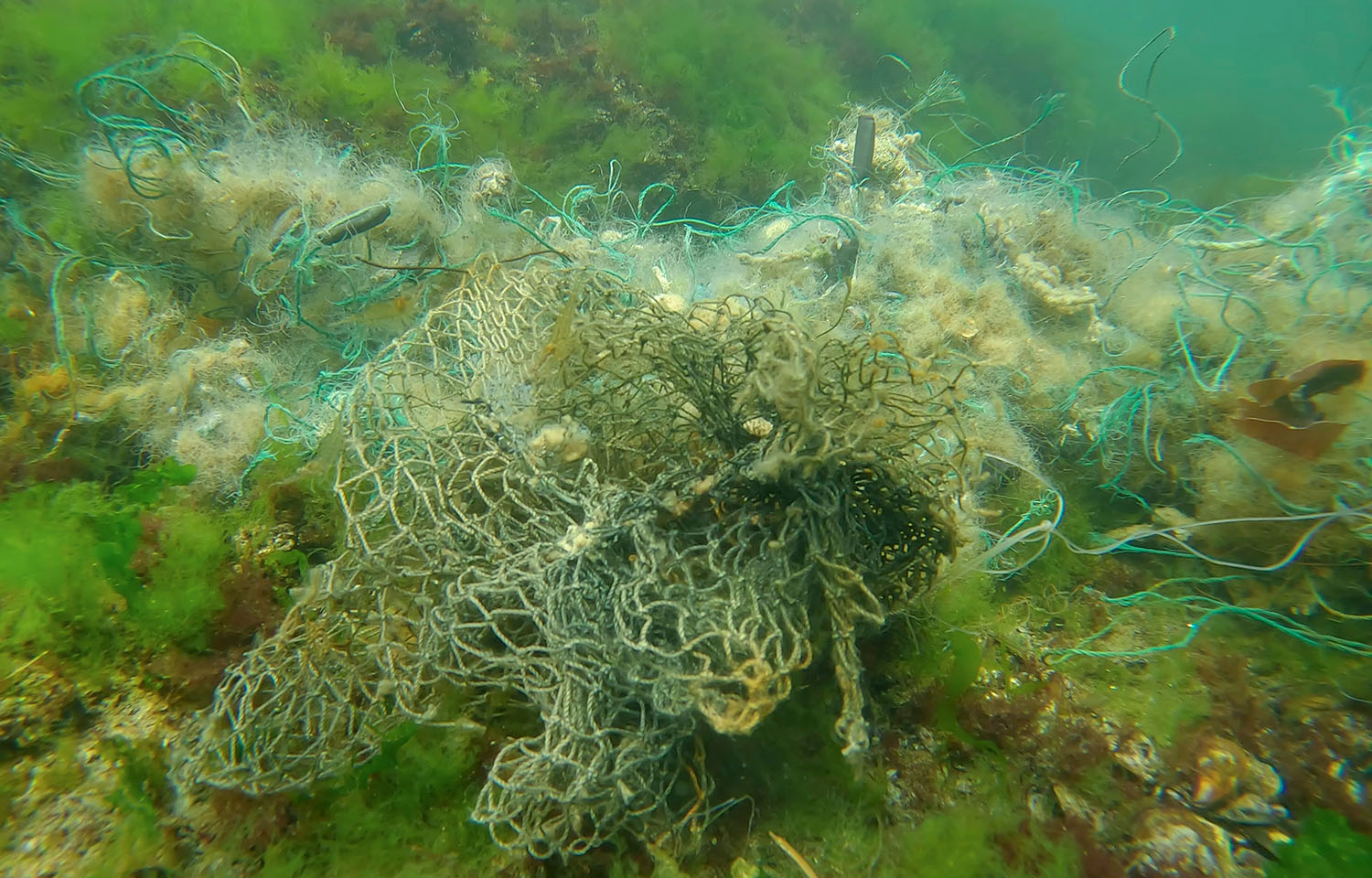
Halifax, Nova Scotia-based engineering, architecture, and construction services company GHD (Gutteridge Haskins and Davey) is working on a solution to the annual 25 million fishing pots and traps lost around the world, known as "ghost gear."
When fishing gear – nets, traps, fishing lines, etc. – are lost or discarded in the ocean, the waste remains a polluter and risks the lives of marine life until removed. GHD said in a release that ghost gear remains a financial burden on the already USD 13 million (EUR 11.6 million) marine ecosystem damage-related revenue hit each year from fish habitat destruction, lower fish stocks, vessel damage, and impacts to eco-tourism.
That's why GHD is working on a private-sector solution alongside experienced contractors in removing the lost gear.
“Government-funded programs have played a critical role in advancing ghost gear retrieval; however, their reliance on periodic funding opportunities limits the consistency and scale of implementation," GHD environmental scientist Jessica Romo said. "Bringing ghost gear into the private sector as an offsetting measure creates a pathway to accelerate retrieval efforts, and integrate conservation outcomes into development projects, creating opportunities for more sustained and impactful solutions."
GHD added that the project was originally brought forward to find a solution that would offset the financial losses from marine ecosystem damage, but no such solution was suitable. Instead, the "proof of offsetting" came by using remote-operated underwater vehicles to retrieve 147 abandoned lobster traps and 2,725 meters of rope from the ocean.
“This project wasn't simply about removing abandoned fishing gear from the ocean," GHD Senior Manager of Fisheries Sciences Central Canda Amanda Smith said. "It was about demonstrating that a proven conservation activity could serve as a fisheries offsetting solution for our clients. The journey took 22 months of collaboration, technical analysis, and regulatory engagement. Success depended on strong partnerships with First Nations, regulators, NGOs, local experts, and industry partners, as well as specialized technology and expertise that helped build confidence in an innovative approach."
The Marine Stewardship Council (MSC) requires fisheries to manage gear effectively and minimize loss through its MSC Fisheries Standard, and also joined the Global Ghost Gear Initiative (GGGI) which is a conglomerate of private sector, fishing industry, NGOS, academia, and governments working to mitigate ghost gear.
After the success of this project, GHD said in the release that the company is now accepting applications for additional offsetting projects across Canada.
“After almost two years of technical work, collaboration, and regulatory engagement, we have shown that private-sector investment can match the conservation benefits of government-funded ghost gear retrieval programs," Smith said. "We now have a new mechanism to address ghost gear while helping clients meet permitting and offsetting requirements."
GHD said the company sees potential to scale this effort beyond Nova Scotia for fisheries management officials to replicate due to the wide ranging cleanup effort success.
