





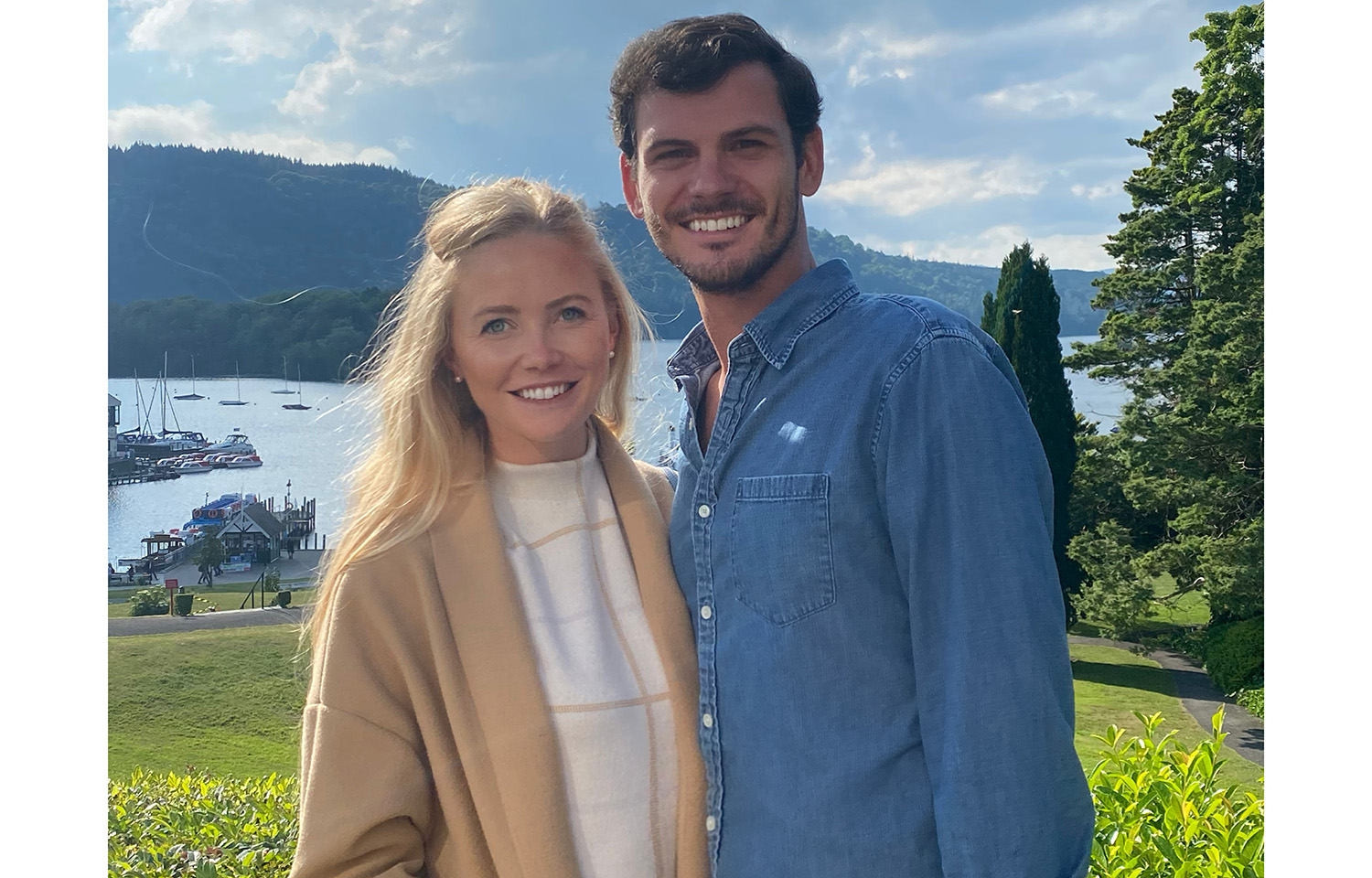
Jade and Gantt Taylor have had a busy few years.
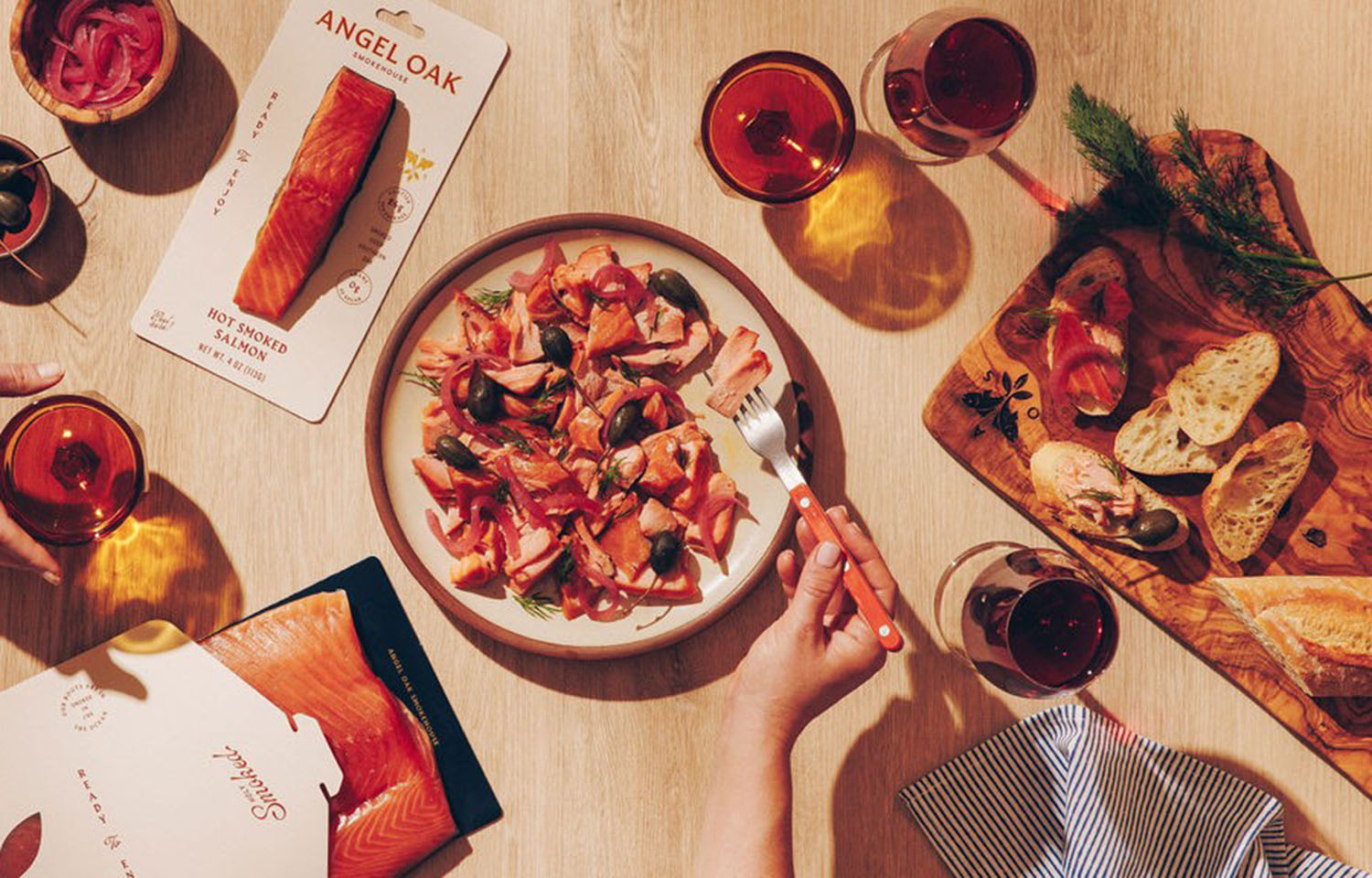
Since 2023, the couple got married, had children, and became entrepreneurs by co-founding Angel Oak Smokehouse, the products of which can be found in Whole Foods stores across the Southeast U.S. just 15 months after its launch.
"Most of our date nights center around us sitting at a cocktail bar talking about what products we want to roll out next or what idea we have,” Gantt said. “It's either that or talking about our kids. I think it's awesome. We'll be at [Seafood Expo North America] or something, and you're talking to people who are away from their spouses and kids for five days. My wife's right there with me. It just makes it easier to do some of these things because you're doing it together.”
The two met at a party through mutual friends and hit it off instantly, Gantt said.
Jade was working for Boeing as an engineer, while Gantt owned a waste management company, Big Red Box, that he’s since sold. When the two got engaged, they acted upon their dream to start a seafood company, just like Jade’s family had decades before.
Jade’s father, Jonathan Brown, founded Grant’s Oak Smoked at 16 years old in Cumbria, England. In 2000, Brown moved to Miami, Florida, U.S.A., and founded Macknight Smoked Salmon, which he subsequently sold, and also opened Highland Farms.
Jade’s uncle, Tim Brown, opened Santa Barbara Smokehouse, which was acquired by Panos Brands in May 2024. Her aunt, Alexandra Hill, founded St. James Smokehouse.
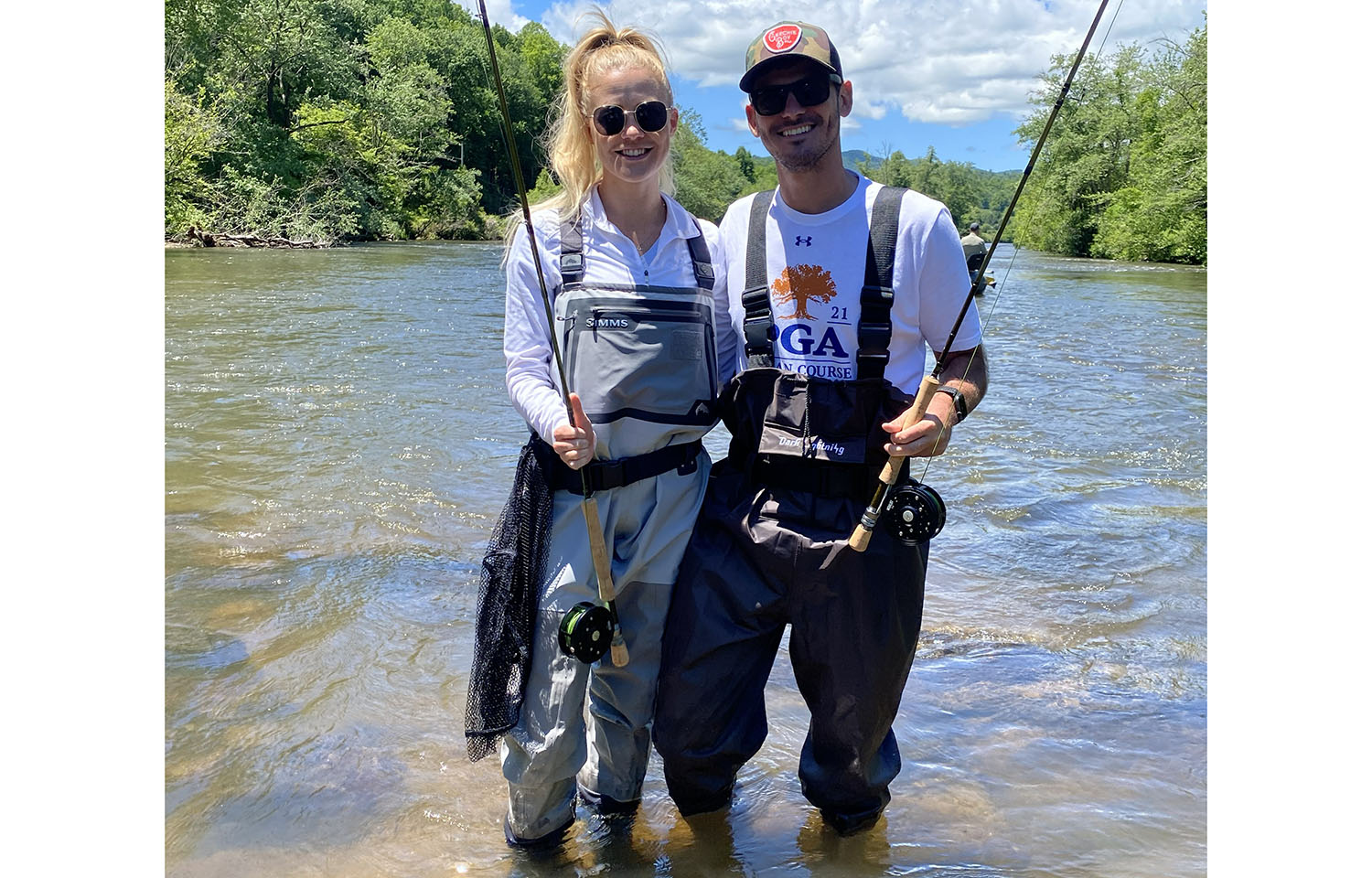
Jade and Gantt would tag along to trade shows and “fell in love with seafood.”
“Growing up in the South with college football being a big deal, food is at the center of a lot of what we do,” Gantt Taylor said. “It's at the center of tailgating or during the holidays. We would hear all the time people saying, ‘I love smoked salmon,’ and we’d be like, ‘What brand do you buy?’ They could never answer that question.”
That’s exactly what sparked the couple to carry on their family legacy of smoked salmon entrepreneurship while focusing on a Southeastern U.S. launch, where fried seafood dominates the market.
After displaying products at this year’s Seafood Expo North America (SENA), Gantt said Whole Foods contacted the company a few months later. Now, the retail giant is Angel Oak’s largest client. Others include Harris Teeter, Euro USA, and Fresh Market.
"It's been crazy and way more than we've expected,” Gantt said. “If you would have told us when we were starting this thing that we would have been in Whole Foods in our first year and three more of our dream retailers were lined up within the first 18 months of being open, we would have called you insane. We've been really lucky and have a great team we work with and just love what we do."
The company operates out of a facility in Summerville, South Carolina, about 20 miles north of Charleston.
Gantt said the building was purchased in 2023 and demoed down to the concrete exterior to reinstall new plumbing, electrical, floors, insulated panels, and refrigeration, explaining that the building is now “custom built” to smoke salmon and each room is laid out to serve a purpose in each stage of the smoking process – curing, drying, smoking, cooling, or packaging.
At capacity, the facility can manage around 15,000 to 18,000 pounds of product a week, and the land has an additional half-acre of property slated for eventual expansion.
“We actually went to SENA before we had passed our Department of Agriculture audit. We couldn't legally sell anything at that point, but we just knew we didn't want to wait another year to get our name out there and start showing off the packaging that we designed,” Gantt Taylor said.
Angel Oak Smokehouse sources cold smoked salmon from Norway and hot-smoked salmon from Chile, keying in on Best Aquaculture Practices (BAP) 4-star certified farms. Gantt said he prefers the evenly distributed fat in Norway’s salmon filets for cold smoking, which provides a “melt in your mouth, buttery feel.” Meanwhile, in Chilean cuts, Gantt said the strong fat striations are perfect for hot-smoked products because the salmon can flake apart while keeping its structure and not becoming mushy.
Gantt said he’s often fielded questions from people about why he chooses to only work with farmed Atlantic salmon products, to which he said there’s a lack of commercial fisheries for the species and highlighted that Ireland, Scotland, Newfoundland, and Nova Scotia have some wild-caught stock but only catch and sell locally.
The company’s farmed product comes in 2,000 pounds at a time through Miami, Florida.
Once in its facility, Angel Oak uses a sea salt and brown sugar blend to cure the cold-smoked salmon over 24 hours. Then, the fish is rinsed and dried for 24 hours in the refrigerator. After that, it’s smoked at a low temperature over a secret blend and then conditions for another 24 hours before it's skinned, sliced, and packaged.
For hot-smoked products, the salmon is cured for just a few hours then smoked at a higher temperature before cooling and packaging. It’s then typically frozen and shipped to suppliers and holds a year-long shelf life, with a 30-day sell-by date. Locally, it’s served fresh for foodservice customers.
“So many people aren't used to smoked salmon, especially down here,” Gantt said. “When they try that hot-smoked and it's something that they were just not expecting, you literally could see it in their eyes. We've had people tell us it tastes like ham, which is awesome. I mean, just using expletives for how good it is.”
The two decided on the name Angel Oak Smokehouse as a tribute to the famous Angel Oak tree on St. John’s Island in Charleston, which is often draped in Spanish moss.
“When we started thinking about the names, we wanted to figure out something that if you were from Charleston, you would recognize it as being a Charleston brand,” Gantt said. “But, if you were from outside of Charleston, it wouldn't be Charleston seafood or something generic like that. Once we stumbled across that, we just started seeing other parallels. There's the whole double entendre of like a family tree and the fact that we were carrying on a family legacy. We also use Southern live oak to smoke our product.”
Looking ahead, Gantt said he anticipates expansion into new products and high-end grocery stores, as well as breaking more into foodservice. He also said the company has loosely started looking into other species like rainbow trout and shrimp.
“It's not like we just started off selling in farmers markets; we really swung for the fences,” Gantt said. “Everything I had to learn from a regulatory compliance standpoint … was probably something in hindsight that was absolutely idiotic for us to attempt, but we did it. I think we'll be better for it because our team has started off on such a high level of food safety and compliance that we're not going to have to raise the bar. The bar has been set high from the beginning.”
