




The U.S. Senate Commerce, Science, and Transportation Committee advanced the Quantifying Uncertainty and Action to Help Optimize Growth of Shellfish (QUAHOG) Act along with a slate of bills 18 November.
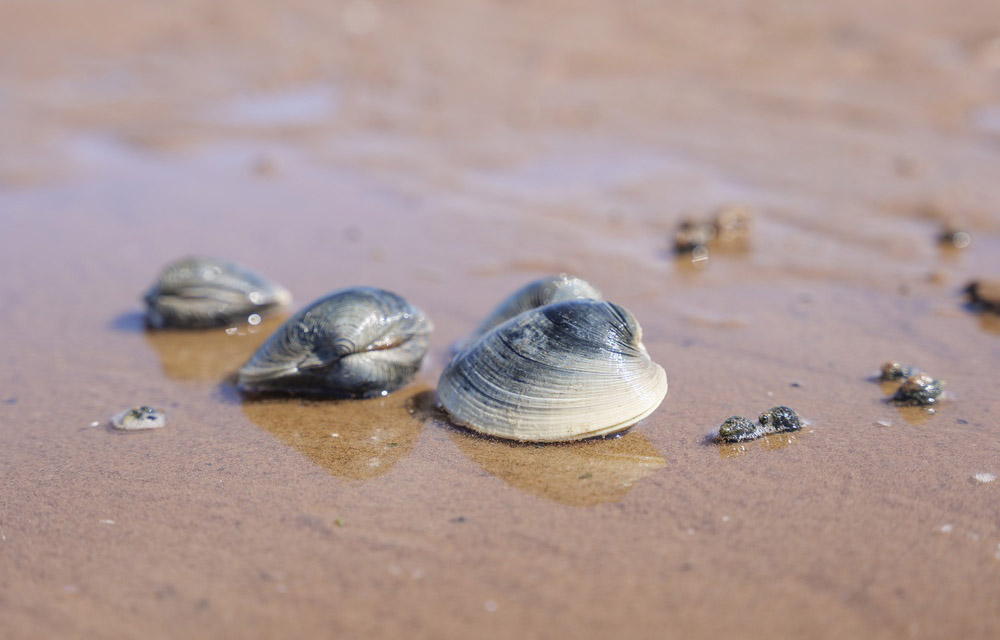
The QUAHOG Act would support coordinated investigations into decreasing shellfish populations on the East Coast, which lawmakers claim have “mysteriously declined for years.” If passed into law, the legislation would create the East Coast Bivalve Research Task Force to coordinate efforts between scientists, industry, and the federal government in determining any root causes for the decline.
“South Carolina’s shellfish industry depends on healthy bivalve populations, and this task force will support the research needed to develop science-based solutions that protect both our natural resources and the livelihoods they sustain,” U.S. Senator Tim Scott (R-South Carolina), one of the sponsors of the bill, said when introducing the legislation in September 2025. “From commercial fishermen to restaurant workers and the tourism industry, this directly affects the families and communities that depend on them. I’m pleased to co-sponsor this bill to study the declining bivalve populations and develop informed solutions to safeguard our state’s coastal economy and heritage.”
The QUAHOG Act was one of 12 bills approved by the Senate Commerce Committee on 18 November – including the Marine Aquaculture Research for America (MARA) Act – without any participation from Democrat lawmakers. Democrats had asked for a vote on a nomination during the scheduled markup session to be postponed until a new Congress is sworn in in January 2026, which would see their party taking leadership of the committee.
The legislation will need to be passed by both the full House and Senate before the new Congress is sworn in in order to be sent to the president to be signed into law. If not, the bill will need to be introduced again in the new Congress.
