




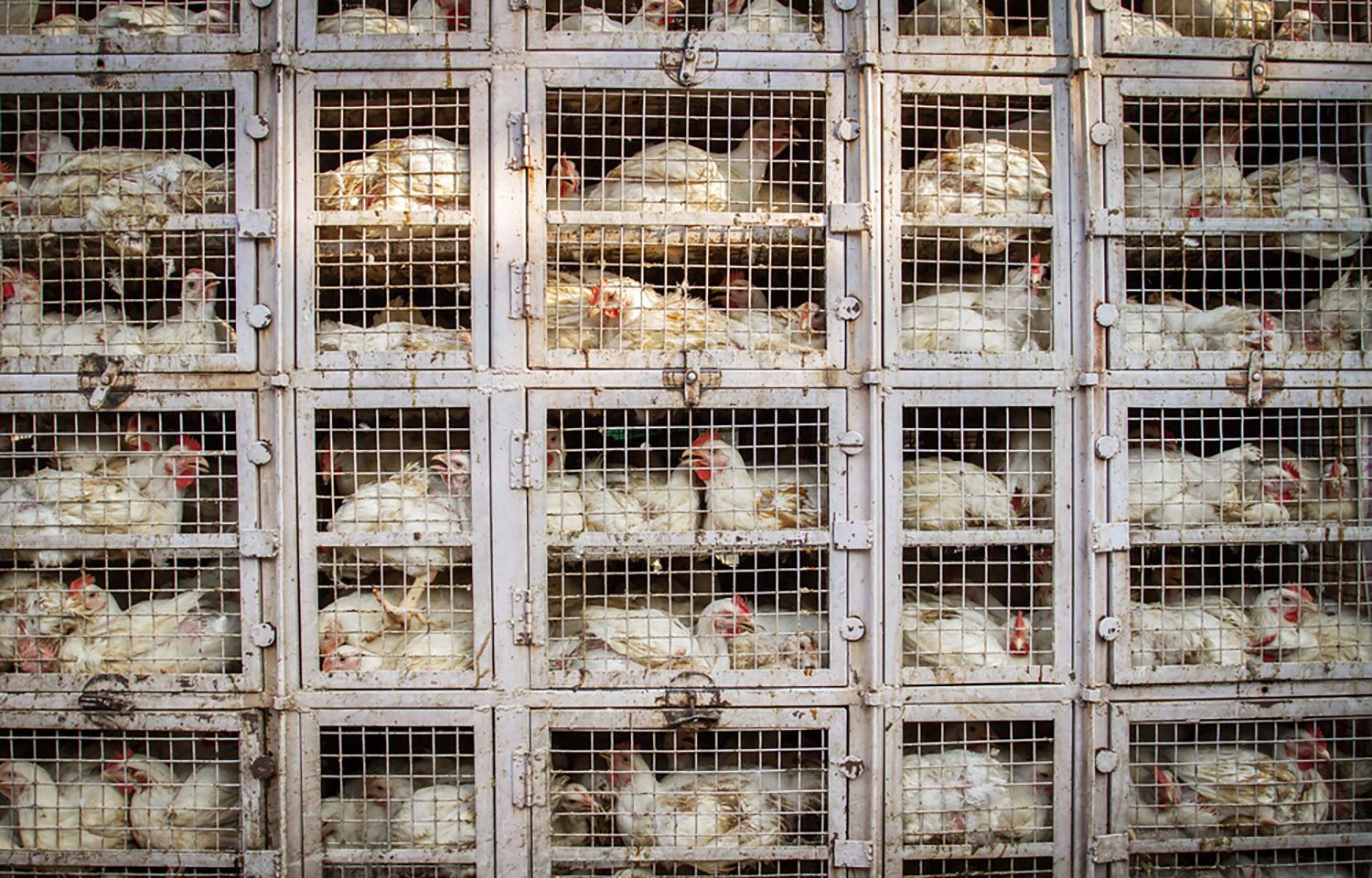
A widespread outbreak of avian influenza in the southern Indian state of Andhra Pradesh has heavily affected the area’s chickens and, subsequently, triggered a surge in seafood demand.
Around 500,000 chickens raised for egg production have died in the East Godavari, Eluru, and West Godavari districts of Andhra Pradesh since 13 January, when the first deaths were reported, Times of India said on 11 February.
In an effort to identify the cause of the mass chicken deaths, a local research institute tested samples from dead fowls at a poultry farm in an affected area of East Godavari, confirming the presence of avian influenza (H5N1).
As a result, more than 75 percent of birds and eggs from poultry farms in the Kanuru region of East Godavari, which has been particularly affected, have been culled and buried, and officials have been instructed to shut down all chicken shops in the affected zone.
Meanwhile, health officials have been deployed to screen residents within a 10-kilometer radius of Kanuru, which has been declared a surveillance zone, District Medical and Health Officer Venkateswara Rao told Times of India.
All of this has led to sales and prices of chicken falling sharply as consumers have shifted away from poultry.
The price of chicken has dropped nearly 40 percent, contracting to INR 170 (USD 1.96, EUR 1.88) per kilogram, down from INR 280 (USD 3.22, EUR 3.09) per kilogram on 2 February. Despite the price reduction, Times of India reported that consumers continue to be reluctant to purchase chicken.
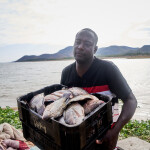
Meanwhile, demand for seafood, being a protein alternative to chicken, has increased among many consumers. Specifically, demand for seer, rohu, tuna, white pomfret, prawns, and crabs has surged.
The retail price of rohu, which is in the carp family, has risen by 47 percent to INR 250 (USD 2.88, EUR 2.76) per kilogram from INR 170 (USD 1.96, EUR 1.88) per kilogram in just a one-week span, while the price of 50-count prawns has seen a 50 percent increase to INR 450 (USD 5.18, EUR 4.97) per kilogram from INR 300 (USD 3.45, EUR 3.31) per kilogram in the same span.
Despite the rise in prices, retail fish markets in Vijayawada and other cities have been crowded with long queues, with vendors struggling to keep up with the sudden surge in demand, according to Times of India.
“We usually sell around 200 kilograms of fish every Sunday, but today, we ran out of stock by 9 a.m.,” K Durga Rao, a fish vendor at the Darsipeta Market in Vijayawada, said, as quoted by The Times of India.
Authorities have tried to calm the situation by assuring the public that the outbreak is under control.
Andhra Pradesh Animal Husbandry Minister K. Athcannaidu attempted to reassure the public on 13 February that there is no need to panic over the outbreak in the state, as measures have been implemented to control the situation.
Athcannaidu dismissed rumors circulating on social media that claimed 4 million chickens had died. He clarified that the actual number of dead chickens so far is around 540,000 out of the 107 million chickens raised in Andhra Pradesh, the Deccan Chronicle reported on 13 February.
The state has deployed 721 rapid response teams to monitor the crisis, and the transportation of chickens and related products is being closely monitored at state borders, while Andhra Pradesh's Animal Husbandry Department remains vigilant, implementing all necessary containment measures, the minister added.
Nevertheless, to prevent the spread of avian influenza from Andhra Pradesh, Telangana, a neighboring state, has banned poultry imports from Andhra Pradesh and set up 24 checkpoints at the border to control the virus's transmission, India Today reported 12 February.
