

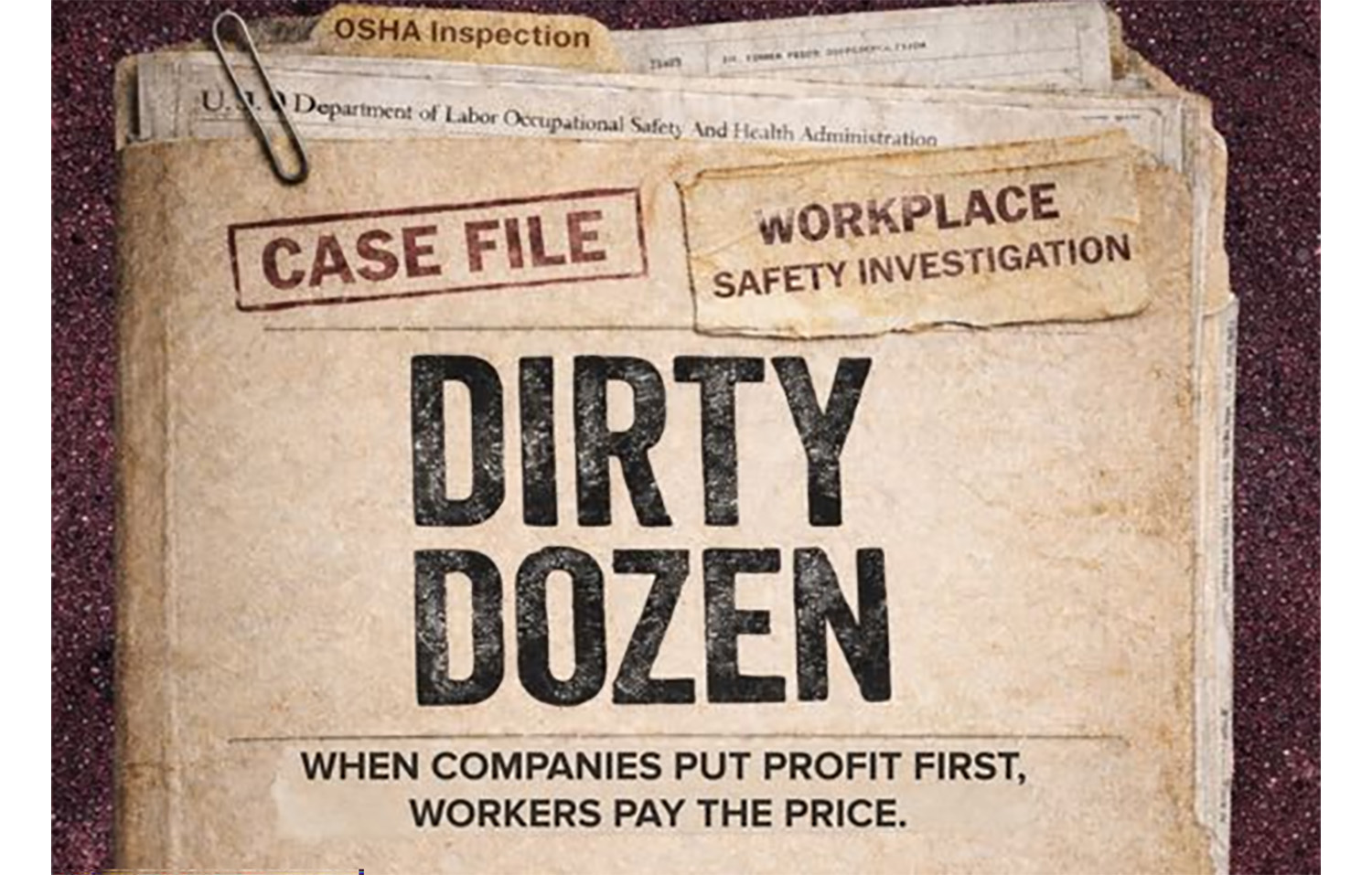
Isola, Mississippi, U.S.A.-based Consolidated Catfish Producers has been named to the National Council for Occupational Safety and Health (National COSH)’s 2026 Dirty Dozen report.
Spanning across industries, the report documents 12 companies annually that National COSH deems to have exhibited “recurring corporate failures” that place workers at risk, including extreme heat, hazardous machinery, toxic chemicals, wage theft, retaliation, and exploitative labor practices, among other issues.
Consolidated was included in this year’s report “due to a pattern of serious workplace safety concerns documented over multiple years,” National COSH Executive Director Jessica Martinez told SeafoodSource.
The catfish-farming firm, which is a major supplier of catfish to the U.S. government and is the producer of the Delta’s Pride and Country Select brands of products, is the only seafood firm listed in this year’s report.
“Families and children receiving meals through federal programs like the National School Lunch Program shouldn't have to worry about whether their food came at the cost of another person’s safety,” Martinez said.
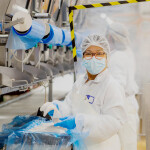
According to the report, Consolidated, which operates two processing plants in Isola and Eutaw, Alabama, U.S.A., has undergone several Occupational Safety and Health Administration (OSHA) inspections that documented serious machine safety failures, resulting in severe worker injuries.
In 2017, a worker had to undergo an amputation after electrical power to a processing line and fish skinner was unexpectedly activated during servicing, National COSH’s report stated.
In 2020, another worker lost his fingertip and was hospitalized while servicing a chain and sprocket system that had not been properly de-energized.
In 2022, a worker seriously injured a finger while trying to remove clogged fish guts from a fillet machine.
In late 2024, OSHA cited the company after finding that a fish fillet machine lacked proper guarding, exposing a worker to laceration hazards.
According to June 2025 testimony from an employee at the firm’s Isola processing plant, temperatures inside the facility were “extreme, extreme, extreme.”
“A long-time worker described daily exposure to intense heat from machinery, dehydration, and lack of reliable access to drinking water, along with concerns about insufficient training when workers are reassigned after injuries,” Martinez said. “While some of the documented incidents go back several years, what concerns us is the pattern over time. OSHA citations in 2024 and 2025 indicate that serious machine safety hazards have persisted, including issues with machine guarding and lockout/tagout procedures.”
In addition to public records, recent worker testimonies suggest that unsafe conditions remain, particularly related to extreme heat inside the facility and other unsafe workplace conditions, according to Martinez.
“Taken together, this points not to isolated past incidents but to systemic issues that have not been fully addressed,” she said.
Consolidated Catfish did not respond to SeafoodSource’s requests for comment.
Zooming out from Consolidated, the report highlighted that weak enforcement of workplace standards have weakened worker protections in the U.S. and complex subcontracting systems allow companies to evade responsibility for safety issues.
“Every year, we honor workers who have lost their lives on the job, and every year, we see the same pattern: companies prioritizing profit over people,” Martinez said. “The report makes clear that these tragedies are not accidents; they are the result of choices. Employers must be held accountable, and workers must be empowered to speak out without fear. When media coverage, workers organizing, and public accountability come together, companies can feel pressure to improve conditions.”
Even with reports like the Dirty Dozen, Martinez emphasized that change is not guaranteed.
“Some companies have made improvements, but others have appeared on the list more than once, reflecting ongoing concerns and the need for stronger accountability and enforcement,” she said.
National COSH said that companies like Consolidated that were listed in the report should listen to workers, address the hazards identified, and take meaningful steps to improve safety.
“Ultimately, safer workplaces benefit both workers and the long-term sustainability of the company,” Martinez said.
