



Thailand’s Food and Drug Administration (FDA) has ordered canned fish products withdrawn from sale and seized 13,010 cans after officials found production irregularities at a factory in the province of Samut Sakhon linked to a viral food-labeling incident.
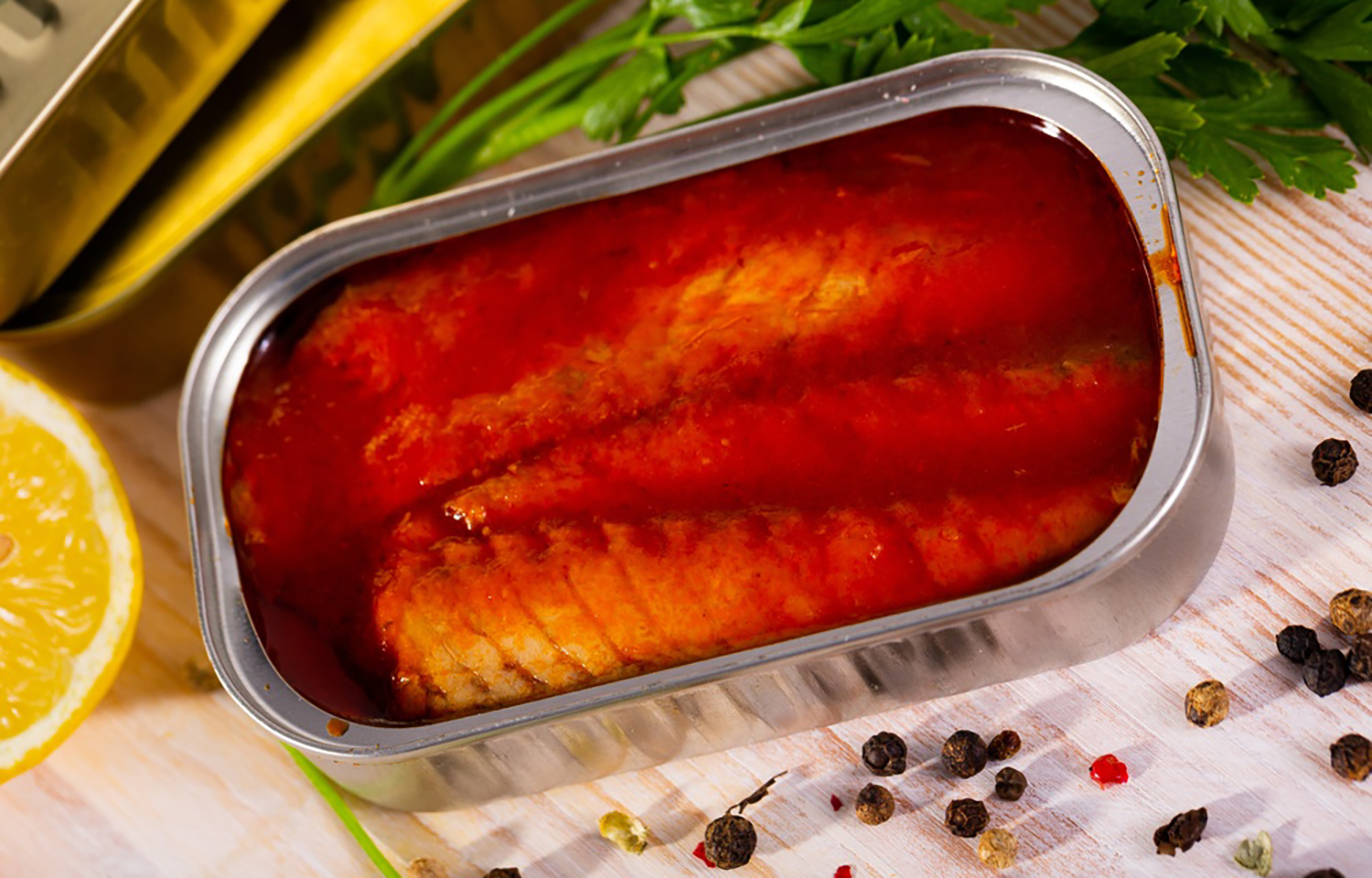
According to The Nation, regulators in the Southeast Asian nation took action after a viral complaint questioned whether a canned fish in tomato sauce marketed as mackerel had instead been filled with tilapia, a lower-priced freshwater species. The post spread quickly, drawing attention because canned fish is a widely consumed low-cost food in Thailand.
Thai FDA Secretary-General Supattra Boonserm said officials from the agency and the Samut Sakhon Provincial Public Health Office visited Sri Rungngam Food Company Limited, the suspected producer. The officials reviewed the factory’s production process and raw materials, checking whether they met safety and quality requirements and matched the information declared on the product labels.
The officials said the factory failed to comply with Good Manufacturing Practice (GMP) requirements. Finished canned fish products onsite were identified as using a different fish species, consistent with earlier media reports.
The regulators instructed the company to pull the products from sale and took control of canned fish linked to the brand named in media reports, along with other brands held at the factory. Officials seized 12,760 cans at the production site and another 250 from retailers, bringing the total to 13,010 cans.
The agency said it has worked with the nation’s Department of Fisheries to collect canned fish samples for species testing. The results have not yet been released.
Supattra said producers could face legal action if testing shows the fish they used was different from the species declared on the label. Those found to have used undeclared raw materials may face six months to 10 years in prison and a fine of THB 5,000 to THB 100,000 (USD 155 to USD 3,107, EUR 132 to EUR 2,639). A separate mislabeling offense is punishable by a fine of up to THB 30,000 (USD 932, EUR 792) and a jail term of up to six months.
The Prime Minister’s Office has also specifically instructed consumer protection officials across Thailand to pursue action against producers found using tilapia in products sold as mackerel, The Nation reported.
The incident follows the release of a Food and Agriculture Organization report that found fraud, including mislabeling, may affect as much as 20 percent of the world’s seafood trade.
The report asserted that the main drivers of fraud are economic and include practices such as species substitution, mislabeling, falsified sustainability claims, misrepresentation of origin or production method, and adulteration such as adding water or coloring to increase weight or enhance appearance.
