






U.S. seafood industry organizations are welcoming updates to the U.S. Food and Drug Administration’s (FDA) “healthy” claims label, which could benefit the seafood industry.
In its final rule issued 19 December, the agency said the "healthy" claim on food labels has been updated “to help consumers find foods that are the foundation of a healthy dietary pattern and could also result in the development of healthier foods.”
“There is an ever-growing crisis of preventable, diet-related chronic diseases in the U.S. that requires immediate action,” the FDA said. “The updated ‘healthy’ claim marks an important step in fulfilling the FDA’s nutrition priorities, which are part of a whole-of-government approach to address this crisis. This rule will help ensure that consumers have access to more complete, accurate, and up-to-date nutrition information on food labels.”
To qualify as “healthy” under the updated definition, food products must contain a certain amount of a food from at least one of the food groups, or subgroups, in the Dietary Guidelines for Americans – including fruits, vegetables, protein foods, dairy, and grains. They must also meet certain limits on saturated fat, sodium, and added sugars.
As a result, more foods that are key to healthy eating patterns, which "include nuts and seeds, higher fat fish such as salmon, olive oil, and water,” will qualify for the “healthy” claim, which could make them easier for consumers to identify when shopping, according to the FDA.
“We applaud the FDA for recognizing seafood’s role in the diet as 'healthy'” Seafood Nutrition Partnership Founder and President Linda Cornish said.
All seafood, including fatty fish such as salmon, automatically qualifies for the healthy claim because of its nutrient profile and positive contribution to an overall healthy diet, Cornish said. Seafood without added ingredients except for water “automatically qualifies” for the “healthy” claim, the FDA said in the final rule.
The National Fisheries Institute said it is pleased the agency modified its final rule to ensure all seafood products were included in the healthy label update.
“Seafood is the healthiest animal protein on the planet, and qualifying for the 'Healthy' label claim makes it easier for consumers to identify it as such and will facilitate the recommendations from the U.S. Dietary Guidelines for Americans to consume more seafood,” NFI Chief Food Safety Officer Lisa Weddig told SeafoodSource.
Diet-related diseases, including heart disease, cancer, and diabetes, are the leading cause of disability and disease in the U.S. and contribute to America’s status as having the lowest life expectancy among large, high-income countries, according to the FDA.
“It’s critical for the future of our country that food be a vehicle for wellness. Improving access to nutrition information is an important public health effort the FDA can undertake to help people build healthy eating patterns,” FDA Commissioner Robert M. Califf said. “It is vital that we focus on the key drivers to combat chronic disease, like healthy eating. Now, people will be able to look for the ‘healthy’ claim to help them find foundational, nutritious foods for themselves and their families.”
The FDA said it welcomes the opportunity to work with all interested parties to support the use of the updated healthy claim. In fact, as part of the U.S. Department of Health and Human Services, the agency already entered into a partnership with Instacart to make it easier for consumers to find products with the “healthy” claim through online grocery shopping filters and a virtual storefront.
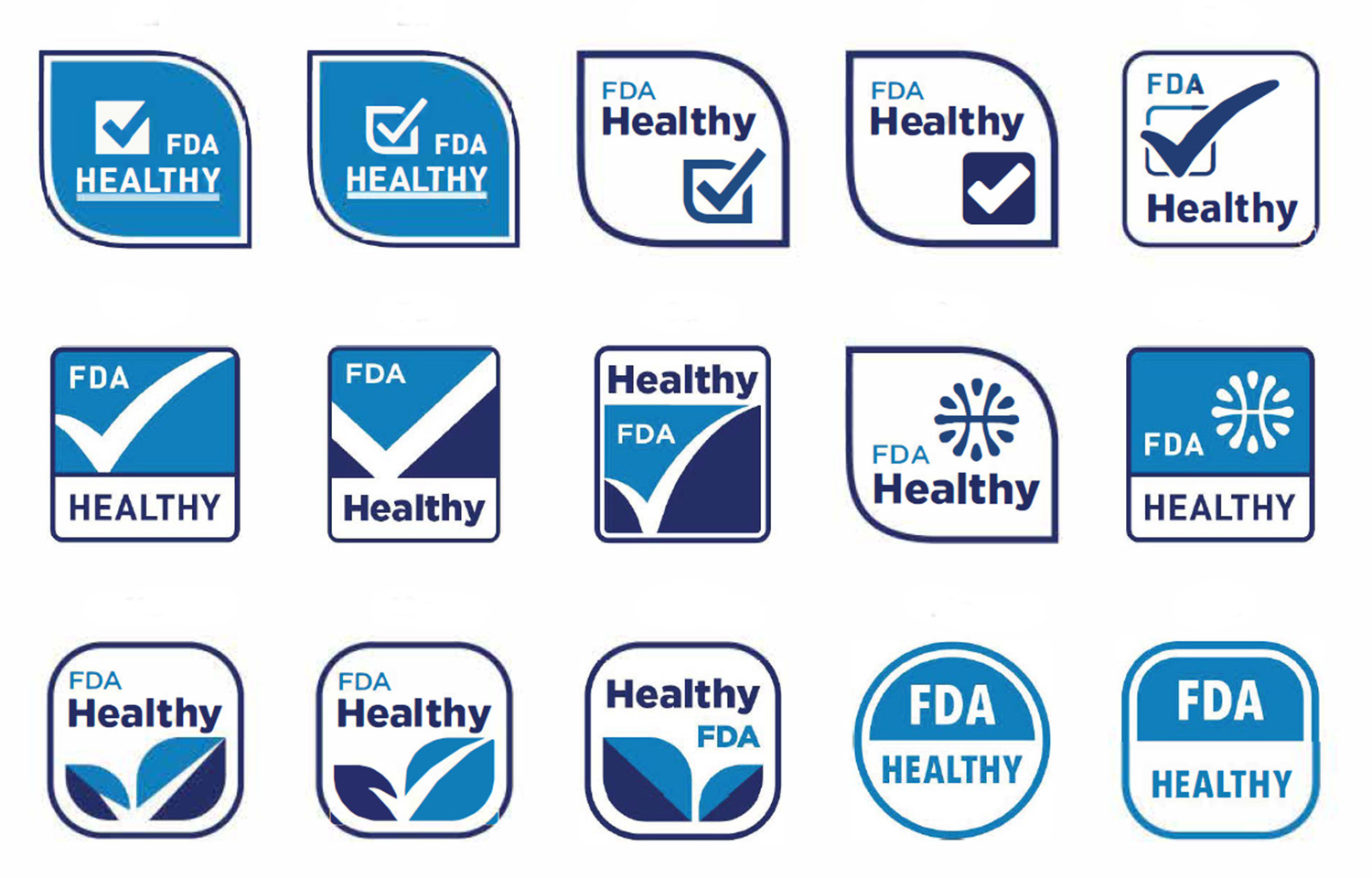
The FDA is also continuing to develop a “healthy” symbol that manufacturers could use to indicate their food meets the criteria of “healthy.”
The FDA recently issued a draft guidance with new Phase II voluntary sodium reduction targets and has conducted consumer research and plans to issue a proposed rule on front-of-package nutrition labeling on food products to help consumers quickly and easily identify how foods can be part of a healthy diet.
