





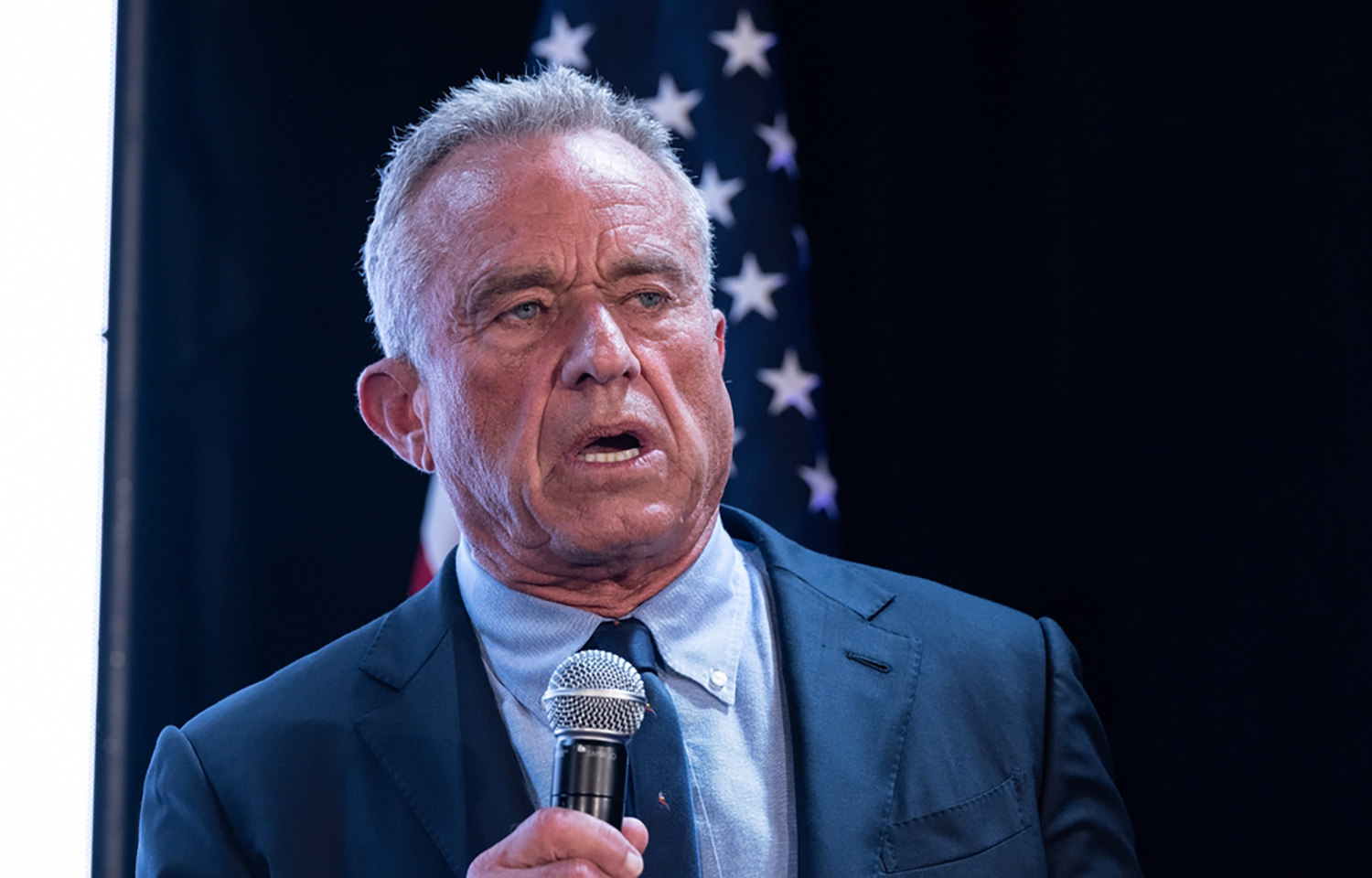
One of the latest initiatives released under the banner of U.S. Secretary of Health and Human Services Robert F. Kennedy Jr.’s Make America Healthy Again (MAHA) strategy could benefit the country’s seafood industry in the form of more government purchases for use in federal programs, as well as national promotion efforts.
The updated Make Our Children Healthy Again strategy, released in early September following a 73-page report in May, includes new MAHA Commission recommendations for the administration of U.S. President Donald Trump – including steps the federal government can take to improve kids’ diets by making a calculated push away from ultra-processed foods.
“The American diet has shifted dramatically toward highly processed foods, leading to nutrient depletion, increased caloric intake, and exposure to potentially harmful or unhealthy additives,” the strategy report said.
More specifically, the MAHA report said that the typical American diet has undergone a major shift in fat sources from traditional, minimally processed animal fats naturally rich in vitamins A, D, and E that support brain and immune health – like seafood – to highly refined seed oils.
“Moreover, these oils contribute to an imbalanced omega-6/omega-3 ratio – a topic of ongoing research for its potential role in inflammation,” it said.
To improve the country’s health, the report said the U.S. Department of Agriculture (USDA) will prioritize utilization and promotion of whole, healthy foods across its 16 nutrition programs, which includes restricting the purchase of junk food in the Supplemental Nutrition Assistance Program (SNAP) program and “reorienting the program toward better nutrition.”
If the report’s recommendations are acted upon, the National Institutes of Health’s (NIH) Office of Nutrition will also partner with the U.S. Food and Drug Administration (FDA), the USDA, and the Administration for a Healthy America (AHA) to conduct “high-quality nutrition research and ingredient assessments,” the report said.
“As part of this effort, NIH will expand research on dietary patterns that support metabolic health,” it said.
Additionally, the Department of Health and Human Services, the Department of Veterans Affairs (VA), and the USDA will study the impact of programs that implement food and lifestyle interventions to improve health outcomes.
In response, the National Fisheries Institute (NFI) said it supports further research into chronic disease among Americans as well as dietary patterns that support health, Chief Strategy Officer Gavin Gibbons told SeafoodSource.
Gibbons said that research shows low consumption of seafood and the omega-3s they provide are responsible for 84,000 U.S. deaths annually.
NFI also supports nutrition communication that is in "a concise, user-friendly format" as the MAHA report claims the 2025-2030 Dietary Guidelines for Americans will be, Gibbons said.
“People tend to prefer short, straightforward guidance that emphasizes the benefits of eating seafood,” he said.
In addition to NFI, the Seafood Nutrition Partnership (SNP) supported the original Make Our Children Healthy Again report in May on which the new strategy is based.
“At SNP, we’re committed to spreading the message that our food choices play a crucial role in our overall health and well-being. Incorporating seafood into meals more often, ideally at least twice a week, is a key part of a balanced, nutritious diet,” SNP Founder and President Linda Cornish said at the time. “What we eat affects everything – our health, our kids’ futures, and our quality of life. Eating more seafood is one of the simplest, most powerful steps we can take to feel better, think sharper, and live longer.”
Though the new strategy laid out several avenues the federal government can take to improve the nation’s health, other actions taken by the Trump administration seemingly run counter to the strategy’s goals, or at least to rolling them out in an expedited, organized manner.
Earlier this year, Trump and Republicans in Congress passed major cuts to SNAP in the One Big Beautiful Bill Act. According to the Congressional Budget Office, the legislation will reduce federal SNAP funding by USD 187 billion (EUR 161.6 million) over the course of a decade. The Trump administration has also cut funding for a federal program that helps purchase local food for food banks and nutrition assistance programs.
As a result of the latter cuts, the Maryland Food Bank (MFB) lost USD 2.8 million (EUR 2.5 million) in LFPA funding, which it would have received this December.
“[The loss] is a concerning step backward for our food system in Maryland. This funding cut will reduce access to fresh produce, protein, dairy, eggs, and seafood for the nearly 2 million people facing [food insecurity],” MFB Chief Operating Officer Meg Kimmel told SeafoodSource.
In May, NFI expressed concern that consumer consumption of seafood could inadvertently be impacted by SNAP cuts, as more than 42 million Americans use SNAP to supplement their food purchases.
Additionally, significant staff reductions and budget cuts at the USDA could delay the implementation of programs that benefit seafood consumption. The USDA is letting go of around 15,000 employees later this year, per Federal News Network. The FDA has also laid off thousands of employees this year, which has sparked fears about food safety.
