






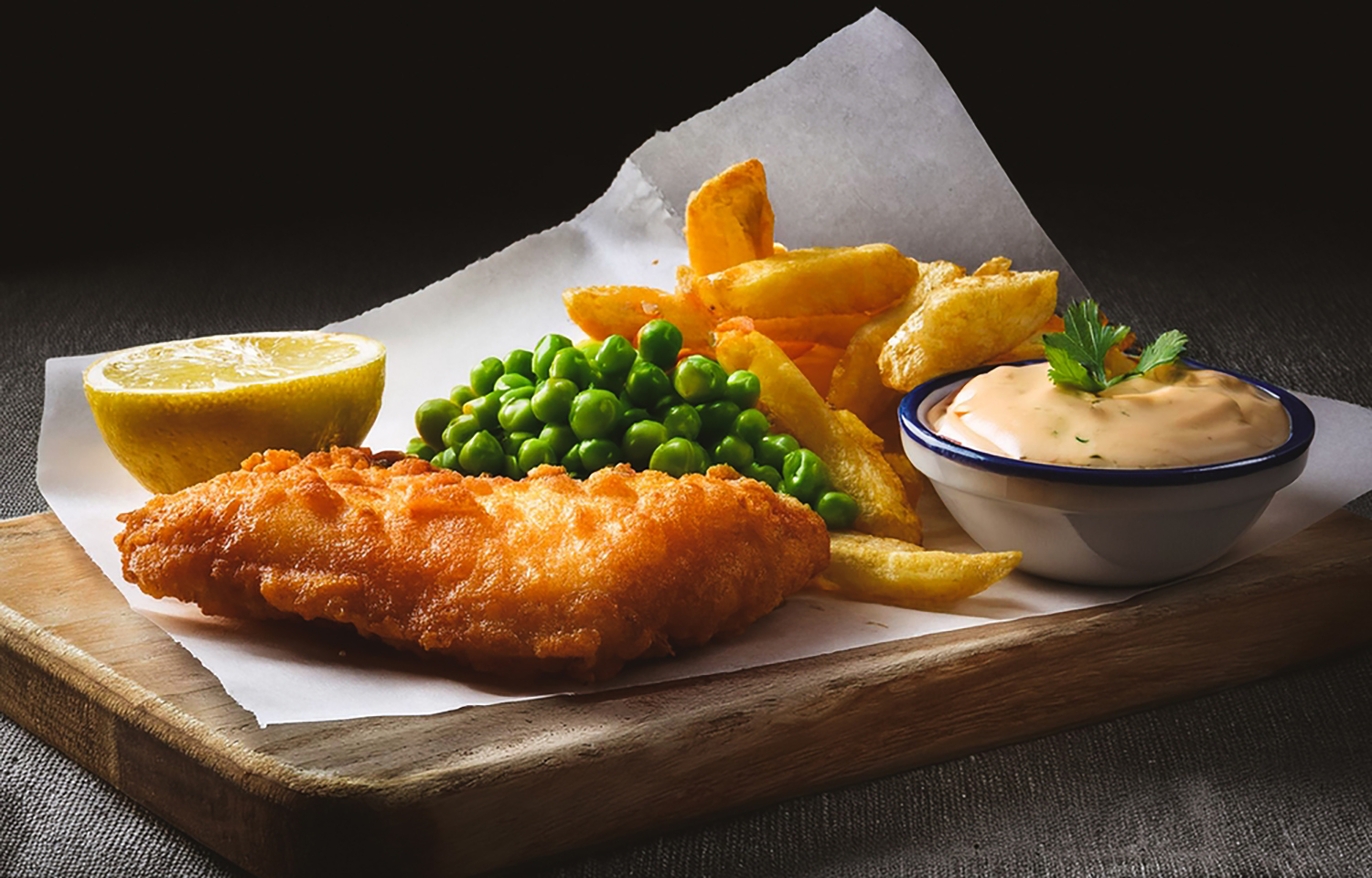
British cuisine is significantly expanding on U.S. menus, with seafood dishes particularly gaining in popularity.
“From classic dishes like fish and chips to emerging items such as fish fingers, the data shows a clear increase in presence and consumer interest,” Miriam Aniel Oved, an integrated marketing leader for food and beverage software firm Tastewise, told SeafoodSource.
The Israel-based software firm found nearly 36 percent growth of British food on U.S. menus over the past year, led by a 66 percent surge in fish and chips and a massive 367 percent increase for fish fingers.
“These items signal both nostalgia-driven and upscale interpretations of British seafood are gaining menu relevance,” Tastewise said.
The trend is on the rise because Americans “are famously in love with foodie trips to Europe,” Aniel Oved said.
“They rave about French pastries, mock Italian portion sizes on TikTok, and now the once-teased British food is firmly in the spotlight. The expansion of British food culture in the U.S. is undeniable,” she said. “Think Downton Abbey, Bridgerton, and TikTok’s cottagecore; these images of Britishness are everywhere in media. British food is clearly having a moment.”
British seafood dishes – especially fish and chips – are also trending in the U.S. due to their ability to meet modern consumer needs around comfort, health, and authenticity, according to Tastewise.
“Fish and chips are currently seeing a cultural revival driven by consumers’ nutritional interest, taste versatility, and a return to comforting formats,” the firm said.
British seafood items commonly appear alongside traditional U.K. condiments and dishes, such as mushy peas, scones, shepherd’s and cottage pies, and tea cake.
Outside of British food gaining momentum in the U.S., tea party culture has grown in the U.S., too, according to Tastewise, with items like clotted cream and finger sandwiches also booming across menus and social media content.
In order to maintain the momentum British food and drink has gained in the U.S., Tastewise has advised foodservice operators to test British seafood items in markets where they are underrepresented and leverage preparation style and ingredient origin to emphasize quality and authenticity.
“The data shows that American consumers are increasingly engaging with British seafood items. With steady growth in menu mentions and supporting ingredients, the category presents a viable opportunity for innovation, menu expansion, and brand differentiation,” Tastewise said.
Seafood in general has been more popular on U.S. menus and on social media this year, according to Tastewise, which found that fish and seafood was featured in over 14.8 million dishes and 2.64 million social posts over the past year.
