






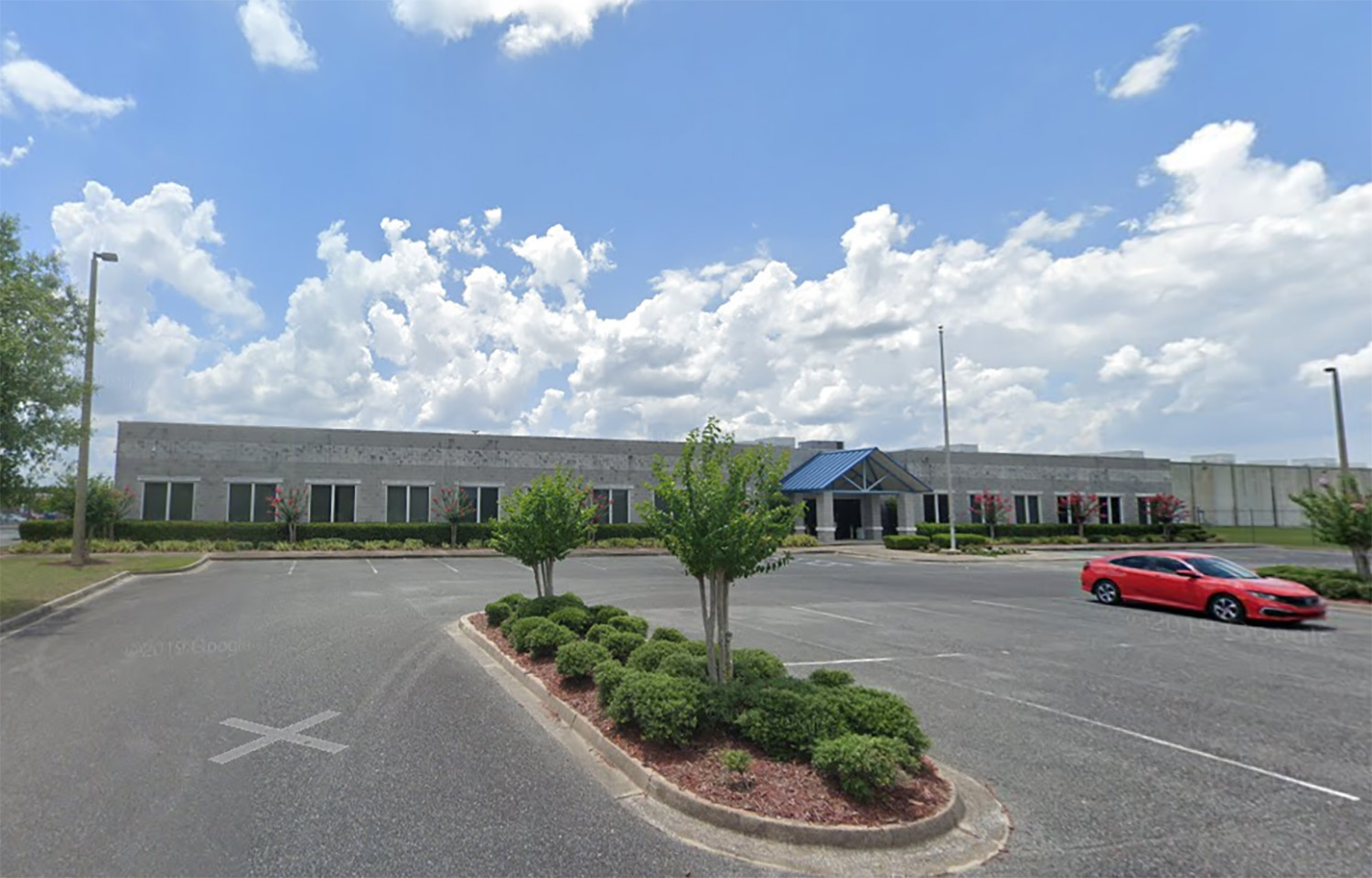
Keene, New Hampshire, U.S.A.-based wholesale grocery supplier C&S Wholesale Grocers announced it is planning to close one of its distribution centers in Baldwin, Florida, U.S.A., resulting in 490 job cuts, per Grocery Dive.
The closure comes after C&S was set to acquire around 600 stores if the merger between grocery chains Kroger and Albertsons came to pass. After the merger failed, C&S said it would lay off at least 76 employees at sites in Hawaii, Vermont, New Jersey, Texas, and New York.
Then, C&S sued Kroger in mid-March, alleging that the grocery chain owes it a USD 125 million (EUR 110 million) termination fee over the failed merger. However, in a recent legal filing, Kroger said C&S is not entitled to the termination fee because it breached its contract with the grocer during the battle with regulators over the merger.
The filing claims that C&S disparaged the divestiture deal to regulators, secretly talked with Albertsons employees about the merger plan, failed to make disclosures to Kroger, and committed other faults throughout the process.
C&S is just one of several grocery retailers that have laid off employees this year.
Jacksonville, Florida, U.S.A.-based Southeastern Grocers laid off an undisclosed number of employees in early April, and Boise, Idaho, U.S.A.-based Albertsons Companies laid off nearly 400 corporate and division staff members in January.
Walmart said in February it would cut or relocate more than 800 corporate employees, and Kroger laid off around 200 employees in February. Additionally, San Bernardino, California, U.S.A.-based Stater Bros. laid off 63 employees in March.
Though several grocers have blamed the layoffs on inflation and other rising costs, sales at major retailers such as Amazon are growing.
Amazon’s net sales increased 9 percent year over year to USD 155.7 billion (EUR 137 billion) in the first quarter of this year.
"Amazon was able to beat its conservative guidance for Q1 as customers have been pulling forward demand to stock up on goods before anticipated price hikes,” eMarketer Principal Analyst Sky Canaves told SeafoodSource.
Even though Amazon “bears heavy long-term exposure to tariffs on Chinese imports,” the company remains better positioned than most in the retail industry to steer its way through tariffs and to maintain above-average e-commerce sales growth for 2025, Canaves said.
“[Amazon’s] core retail business boasts a strong set of structural advantages, including sharp pricing, fast delivery, and a vast product selection that’s seen rapid growth in essential categories,” she said.
Amazon’s recent expansion of its rural delivery network also “highlights a readiness to capture overlooked growth opportunities,” Canaves said.
Amazon’s guidance for the second quarter remains “cautious,” according to Canaves, with a projected 7 percent to 11 percent incline in net sales due to “high levels of uncertainty around tariffs.”
