




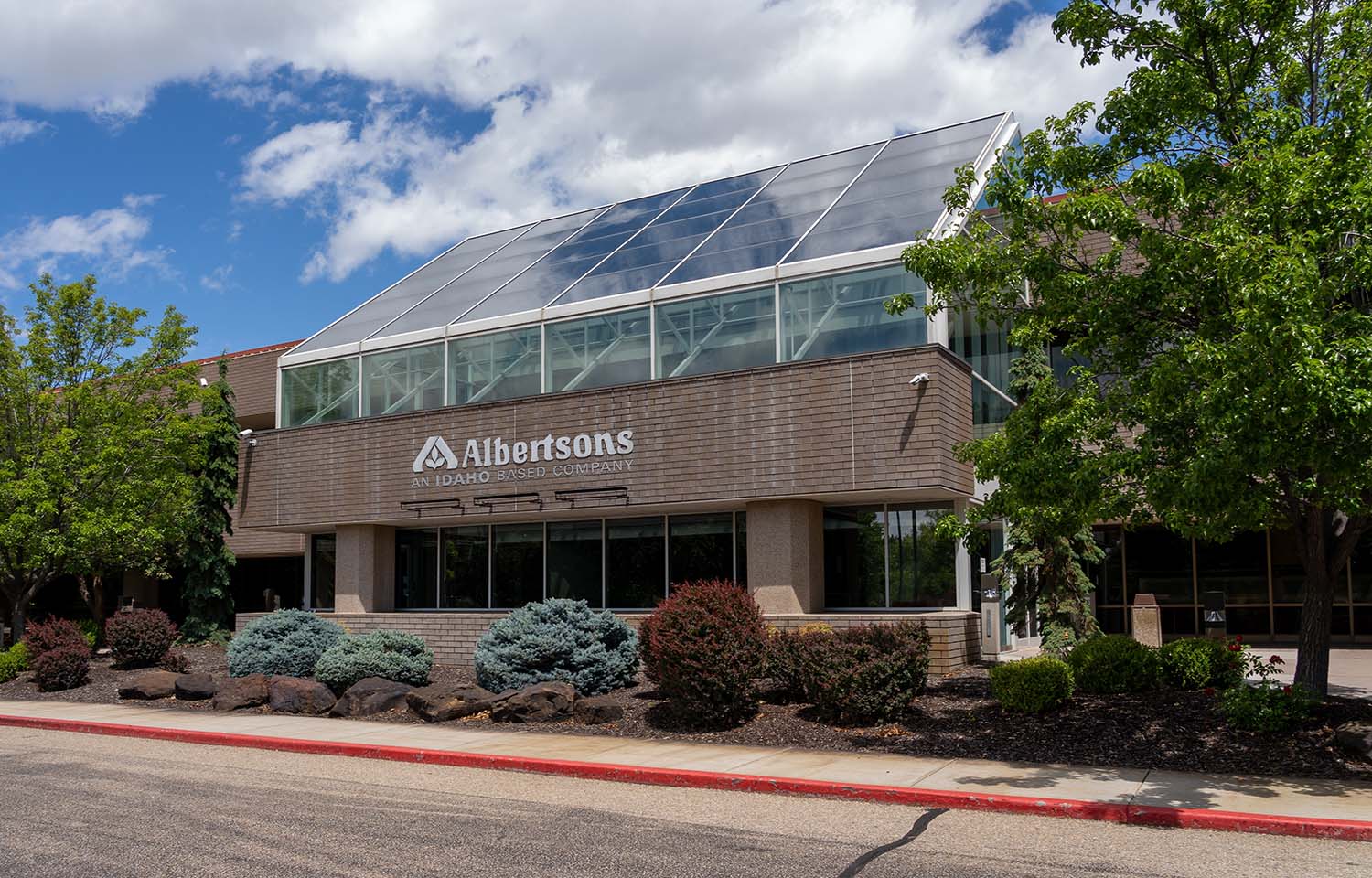
U.S. retailer Albertsons has terminated its merger with Kroger and is suing the grocery chain just one day after federal judges blocked the proposed multibillion-dollar merger.
On 10 December, U.S. District Judge Adrienne Nelson issued a temporary injunction against the merger, while Judge Marshall Ferguson in King County Superior Court in the U.S. state of Washington declared the merger “unlawful,” per Supermarket News.
After the court rulings, Albertsons said on 11 December it is terminating the USD 26.5 billion (EUR 25.3 billion) merger with Kroger, and the company has filed a lawsuit against Kroger for “willful breach of contract and breach of the covenant of good faith and fair dealing.”
Albertsons’ lawsuit claims Kroger failed to exercise “best efforts” and to take “any and all actions” to secure regulatory approval of the companies’ agreed merger transaction, as was required under the terms of the merger agreement. According to Albertsons, Kroger repeatedly refused to divest assets necessary for antitrust approval, ignored regulators’ feedback, and rejected stronger buyers than C&S Wholesale Grocers.
“A successful merger between Albertsons and Kroger would have delivered meaningful benefits for America's consumers, Kroger’s and Albertsons’ associates, and communities across the country,” Albertsons General Counsel and Chief Policy Officer Tom Moriarty said.
Rather than fulfill its contractual obligations to ensure that the merger succeeded, Kroger “acted in its own financial self-interest, repeatedly providing insufficient divestiture proposals that ignored regulators’ concerns,” Moriarty said. “We are disappointed that the opportunity to realize the significant benefits of the merger has been lost on account of Kroger’s willfully deficient approach to securing regulatory clearance.”
Albertsons is seeking “billions of dollars” in damages from Kroger to “make Albertsons and its shareholders whole,” the retail conglomerate said. The termination of the merger agreement entitles Albertsons to an immediate USD 600 million (EUR 572 million) termination fee and “removes contractual constraints on Albertsons’ ability to pursue other strategic opportunities.”
Albertsons said it is entitled to additional relief that reflects the multiple years and hundreds of millions of dollars it devoted to obtaining approval for the merger, along with “the extended period of unnecessary limbo Albertsons endured as a result of Kroger’s actions.”
While Kroger has not yet issued a statement about the termination, the lawsuit, or the judges’ decision, Chairman and CEO Rodney McMullen said last week that Kroger is well-positioned for growth if the merger falls through.
“We’ve always made sure that we don’t need to do mergers to make our business successful,” McMullen said during an investor earnings call following the release of Q3 2024 earnings, per Grocery Dive.
McMullen suggested that Kroger is unlikely to look for another merger partner if it does not complete the deal.
“We’re super excited about Albertsons and the potential, and we believe we will be able to add a ton of value for giving customers better value. The people there will be able to provide security and grow our business and create additional career opportunities and support communities. But, if it doesn’t happen, we’ll continue to go on,” McMullen said.
As recently as September, McMullen said he was confident the merger would go through and that the company was committed to closing the merger.
Meanwhile, Cerberus Capital Management, Albertsons' largest shareholder, said that it remains confident in Albertsons’ strength as a standalone company and believes that it is significantly undervalued in its current trading range.
“Accordingly, Cerberus has no intention of selling any of its shares in the company,” it said in a press release. “As a long-term investor in and partner to Albertsons across multiple investments and throughout the evolution of its competitive environment, Cerberus is proud of the company’s performance, and it will continue to be a strong supporter of Albertsons, its talented leadership team, and its dedicated associates.”
The merger has faced opposition from U.S. lawmakers, courts, and organizations since it was first announced in 2022. In August 2023, officials from seven U.S. states asked the Federal Trade Commission (FTC) to stop the merger, per Reuters, saying it would give the newly combined company control over nearly a quarter of the U.S. food retail market.
The failure of the merger will likely be good news for seafood companies, with Rich Wolverton, owner of retail and foodservice consulting firm Grow Foodservice, based in Santa Rosa, California, U.S.A., telling SeafoodSource last fall that the deal would have likely resulted in higher grocery prices and fewer opportunities for seafood suppliers.
“I look at Kroger-Albertsons as a very difficult merger for the seafood industry and consumers,” said Wolverton, who was an executive at Food Services when US Foods acquired the company in a merger in 2019.
In a market like Phoenix, Arizona, for example, that Kroger, Albertsons, and Safeway stores dominate, consumers would have fewer choices due to less competition, likely pushing the nearly monopolized grocery prices higher, Wolverton said.
“From the seafood point of view, this means less customer consolidated power and potentially makes it much harder to get in as a new supplier,” he said.
