

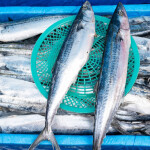

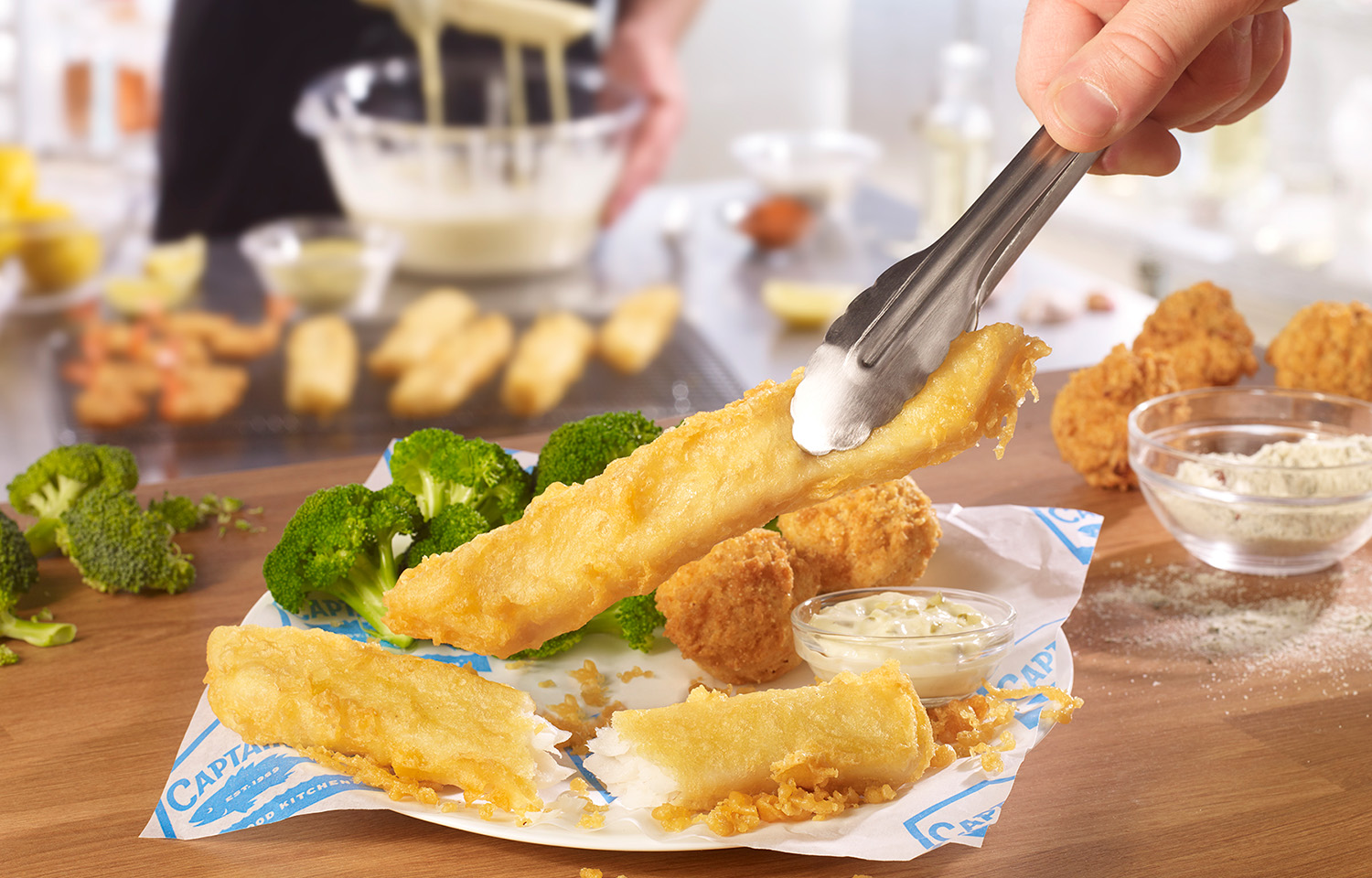
Restaurant chain Captain D’s has pivoted toward the use of Alaskan pollock in several of its signature whitefish products.
The Nashville, Tennessee, U.S.A.-based operator of more than 500 restaurants in the U.S., as well as locations in Canada and the U.K., recently partnered with Seattle, Washington, U.S.A.-based Trident Seafoods and Braintree, Massachusetts, U.S.A.-based Channel Fish Processing to debut Wild Caught Batter Dipped Fish from Alaska.
The initiative, which will roll out across several of the brand’s popular menu items, reflects Captain D's “commitment to investing in premium seafood that is responsibly sourced and served at an accessible price point,” the company said in a release, adding that it has invested “millions of dollars” to bring in wild-caught fish from Alaska and based the decision on months of consumer and focus group research.
That research found that customers, who have previously expressed concern over the chain’s possible sourcing of imported pangasius, expressed a desire for wild-caught fish from Alaska, Captain D’s CMO Jonathan Muhtar told SeafoodSource.
“Previously, we used imported pollock or farmed whitefish for our batter-dipped fish. It varied depending on date and market,” Muhtar said.
In addition to providing the value and quality customers demand, the company said it wanted to support U.S. fishermen and commit to a product that was caught and processed in the U.S.
Sustainable sourcing was particularly key in deciding which fish to invest in, Chief Supply Chain Officer Janet Duckham said.
"Wild-caught fish from Alaska is recognized around the world for its quality and sustainability. The fishermen adhere to rigorous standards. We're proud to introduce our guests to this experience through a reliable supply chain built around trusted, U.S.-based partnerships and responsible sourcing practices,” she said.
Duckham told SeafoodSource that talks with suppliers started well before the rollout, with extensive details ironed out on transparency around pricing and other issues. Trident and Channel Fish emerged after the chain spent a lot of time vetting suppliers, according to Duckham.
While she acknowledged that “there is a little pressure” on pollock prices, Duckham explained that Captain D’s volume purchasing helps the company achieve a “fair” price.
“We have pressure on the market, but we are doing our best to really work on those prices together,” she said.
These types of relationships have become especially important as Captain D’s, as well as the entire food sector, navigates higher gas, energy, and food costs, along with other economic challenges, Duckham said.
“We have a lot of open dialogue with our suppliers. Not every conversation is kumbaya, but when you can have transparency and fierce conversations … everybody wins in the long run,“ she said. “We are very loyal to our suppliers. We demand perfection, but when we say we are going to do something, we do it.”
Captain D’s is pricing the new offering at USD 5.99 (EUR 5.17) for full meal deals featuring Wild Caught Batter Dipped Fish.
The meals include a Two-piece Fish and Fries Meal, which includes two pieces of Wild Caught Batter Dipped Fish served with a choice of one classic side and two hush puppies; The Sampler – one piece of Wild Caught Batter Dipped Fish, one chicken tender, three butterfly shrimp, a classic side of choice and two hush puppies; and One-piece Fish and Two-piece Chicken Meal, which includes one piece of Wild Caught Batter Dipped Fish and two chicken tenders served with a classic side of choice and two hush puppies.
Captain D’s is also including Alaska pollock in offerings such as The Ultimate Seafood Platter, Giant Fish Sandwich Combo, and Two-Piece Fish and Clams Strips Meal.
The chain is supporting the launch with a multi-pronged media campaign that includes TV, digital video, public relations, print, social media, and exterior signage at its restaurants.
As a result of these extensive efforts, the company’s sales are “trending in the right direction” this year, Muhtar said.
“One of the things we have been sure to do is lean into brand strengths – the variety, the fullness of our meals at that attractive price point – as we are communicating great quality and great variety,” he said. "Now, with wild-caught fish from Alaska across our system, these things are layering in a better value.”
