






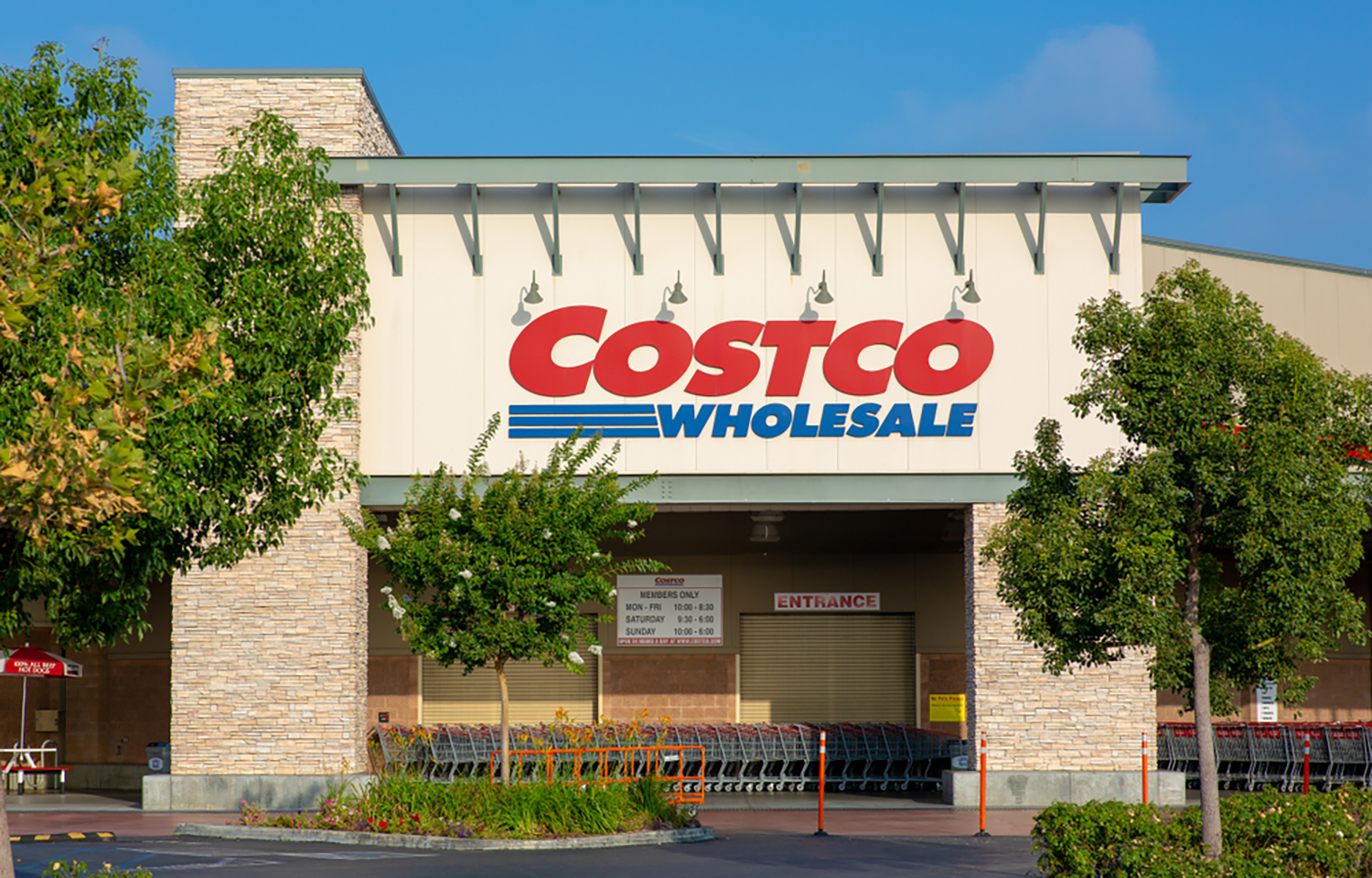
Tesco, Aldi, Costco, and Giant Eagle are among major grocery retailers committing to seafood sustainability and environmental responsibility initiatives.
Welwyn Garden City, U.K.-based Tesco is working with Sofina Foods Europe and other suppliers on implementing Seafish’s Seafood Carbon Emissions Profiling Tool (SCEPT) tool, which analyzes the carbon footprints of wild capture and aquaculture seafood products, into its supply chain.
Tesco aims to be net-zero across its full value chain by 2050 and said it believes Seafish’s tool, launched in 2024, will help it build an understanding of emissions hotspots in its supply chains, providing insights into how best to drive improvements.
“We recognize the responsibility we have to support our seafood suppliers in reducing their carbon footprint in line with our collective net-zero commitments,” Tesco Head of Sustainable Agriculture and Fisheries Natalie Smith said. “With emissions from products and supply chains accounting for over 90 percent of Tesco’s total carbon footprint, this commitment to the SCEPT is a significant step.”
Sofina Foods Europe, which helped to develop SCEPT, has been using the tool to inform and adapt its seafood supply chain, according to Sofina Technical Director Scott Johnston. Hilton Foods, New England Seafood International (NESI), and Arctic Traders are among other suppliers utilizing SCEPT.
Elsewhere, Aldi’s South Group became the first food retailer globally to include the Marine Stewardship Council’s (MSC) new Improvement Program in its sourcing policy, MSC recently said. The program, launched last October, offers support and incentives for fisheries to become more sustainable, provided they make measurable improvements over a five-year period and complement existing fishery improvement projects (FIPs).
“As an international food retailer, we rely on global certification schemes, such as the MSC, to source sustainable seafood. But, we also know that the most urgent improvements for the health of our ocean lie with fisheries that are not yet ready for certification,” Aldi South Group Managing Director of International Sustainability Anke Ehlers said. “By engaging in the MSC Improvement Program, we will support such fisheries on a journey toward greater sustainability and contribute to measurable environmental improvements in the way fisheries operate.”
While many businesses already source seafood from FIPs as part of their sustainable sourcing commitments, the effectiveness and impact of these projects can vary significantly, MSC explained. As a result, the Improvement Program provides stronger assurance that fisheries improvements are verified and timely.
Fisheries participating in the MSC Improvement Program are not eligible to use the MSC eco-label, but once they achieve minimum performance requirements and meet specific traceability requirements, they may gain access to MSC-certified supply chains.
Retail products containing seafood sourced from operations participating in the program can display a back-of-pack statement indicating their participation, MSC said.
Similarly, Kirkland, Washington, U.S.A.-based retailer Costco expanded its partnership with the Aquaculture Stewardship Council (ASC) and said 73 percent of its farmed seafood is ASE-certified. Some of the ASC-certified products that Costco carries include Sea Cuisine Tortilla Crusted Tilapia, Kirkland Signature Garlic Butter Shrimp, Singleton Seafood Farm-Raised Steelhead Trout, Dine Well White Shrimp, Foppen Salmon Bites, Kitchens SFD Almondine Steelhead, and The Better Fish Barramundi.
“We will continue to strive to increase this percentage. At the same time, we also know more can be done to increase the resiliency in the regions from where we source and to create more opportunities for new farmers to obtain ASC certification for their farms,” Costco Senior Vice President of Global Sustainability and Compliance Sheri Flies said.
The partnership expansion includes adopting more energy-efficient equipment, restoring mangrove habitats and creating opportunities for new farmers to obtain ASC certification for their farms, and moving toward more responsibly sourced feed, Flies said.
Another major U.S. retailer, Pittsburgh, Pennsylvania-based Giant Eagle, recently earned Fair Trade Certification for its Nature’s Basket shrimp product line, becoming the first U.S. retailer to achieve certification for its entire private-label seafood assortment.
"The journey to achieve Fair Trade Certification for our Nature's Basket shrimp has been years in the making,” Giant Eagle Senior Director of Meat and Seafood Adam Branin said, calling the certification a “historic milestone” in the company’s sustainability journey.
Fair Trade Certified is a globally recognized sustainable sourcing model that requires products to meet a high standard for social and environmental responsibility.
