






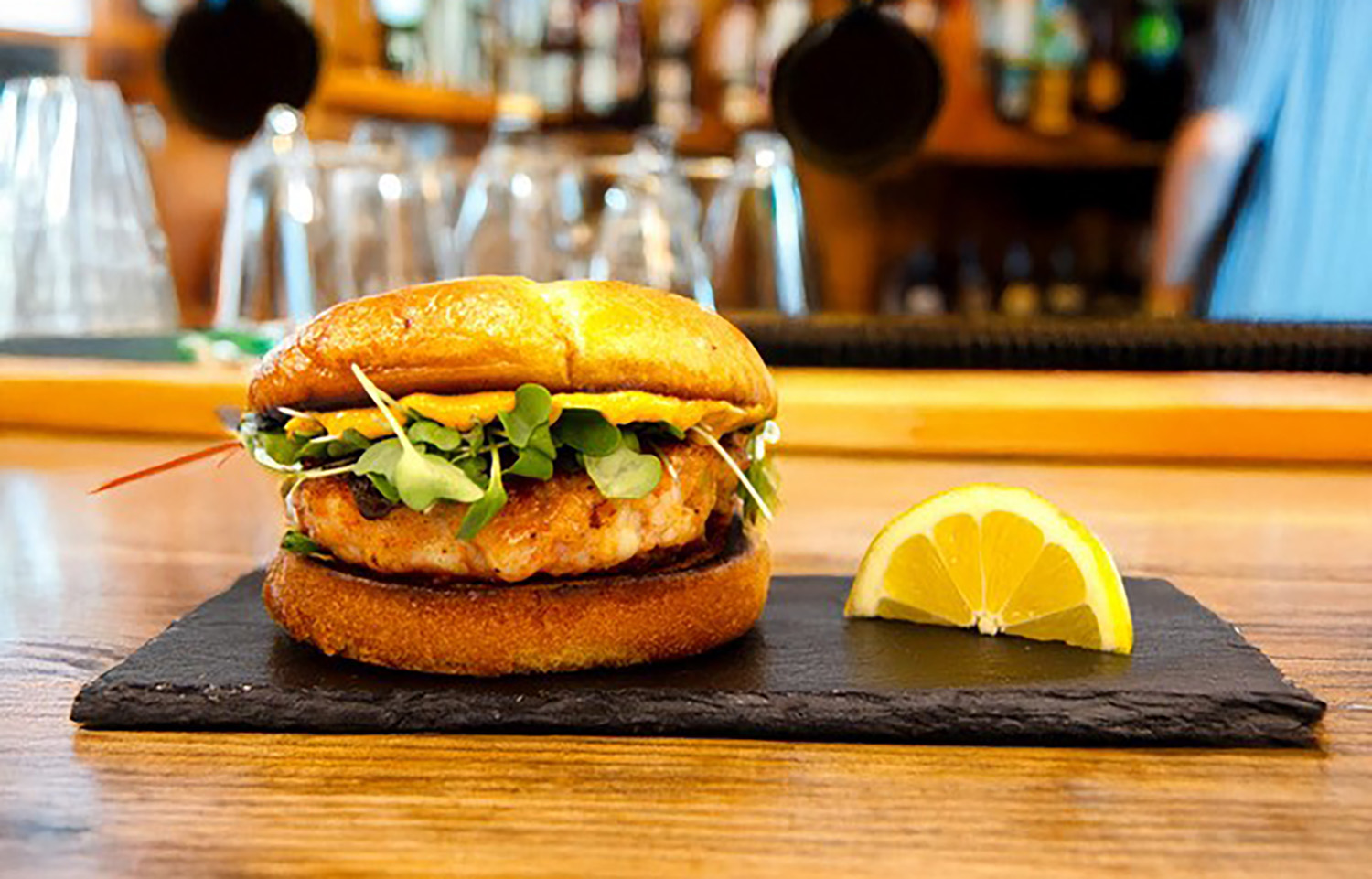
New Orleans, Louisiana, U.S.A.-based shrimp supplier Prime Shrimp is marketing new shrimp burgers that are “free from sodium tripolyphosphate (STPP)” to U.S. retailers and foodservice companies.
STPP is a preservative, emulsifier, and moisture retention sodium agent used in seafood processing that has drawn controversy in the past for its use in dressing up low-grade food products to make them appear higher quality than they actually are.
Miami, Florida, U.S.A.-based importer Seafarers spoke out about the process of using STPP and other preservatives in tuna processing last year.
“It's critical to distinguish between legitimate processes that preserve the authenticity of high-quality tuna and the alarming practice of treating subpar frozen tuna,” Seafarers said. “Shockingly, our team in Vietnam has witnessed how various suppliers are engaging in a disturbing process involving soaking inferior thawed tuna in a mixture comprising sodium ascorbate, ascorbic acid, STPP, and sodium bicarbonate. These additives play a crucial role in increasing the weight of the tuna while maintaining desired moisture levels, resulting in a substantial net weight increase ranging from 12 percent to 18 percent, varying across different processing facilities.”
The preservative also played a central role in a class-action lawsuit against food product manufacturing firm Conagra last year.
In shrimp processing, STPP causes the crustacean to absorb and retain excess water, Prime Shrimp Business Development Supervisor Davis McCool told SeafoodSource.
“While not inherently unsafe, STPP is easily and commonly abused to cause unnatural moisture uptake, primarily to increase the weight of the shrimp, thus increasing price,” he said, describing the process as basically “chemical abuse.”
“In these cases, STPP use robs the user of value by creating shrimp that will shrink significantly when cooked as the water evaporates. The agent also negatively affects final texture and appearance, causing shrimp to taste rubbery,” McCool said. “More often than not, STPP increases the price you pay per pound of shrimp, in addition to resulting in a poorer product on your plate.”
That’s why, according to McCool, the company has made such a point to advertise its new burgers – made with 80 percent Pacific white shrimp and sourced from responsible aquaculture operations in Ecuador – as STPP-free.
“As part of our commitment to creating the highest-quality shrimp product for foodservice operations and consumers, we reject the use of STPP and other types of chemical abuse in our operations. We’re proud of that,” he said.
The new Prime Shrimp burgers feature a “shrimp-forward texture” and include large shrimp pieces, chopped bell pepper, and Prime Shrimp’s signature Cajun seasoning, the company said.
McCool said the company’s customers prefer the flavor of the shrimp burgers and has impressed “even the finest gourmet chefs.”
Prime Shrimp said the product is also capitalizing on demand from the U.S. foodservice sector for higher-quality, labor-saving seafood solutions.
“Prime Shrimp has expanded distribution to a variety of restaurant groups and hospitality partners seeking dependable, premium shrimp products that are easy to prepare and consistent in quality,” Prime Shrimp said.
In May, the burgers made their direct-to-consumer debut with an exclusive airing on TV network QVC. The Prime Shrimp Burger sold out during its first and second broadcasts and has maintained a high customer rating on QVC since that first taping, according to the firm.
