





Amid a challenging economic climate for U.K. retailers, some of the country’s largest grocery chains are making sweeping job cuts.
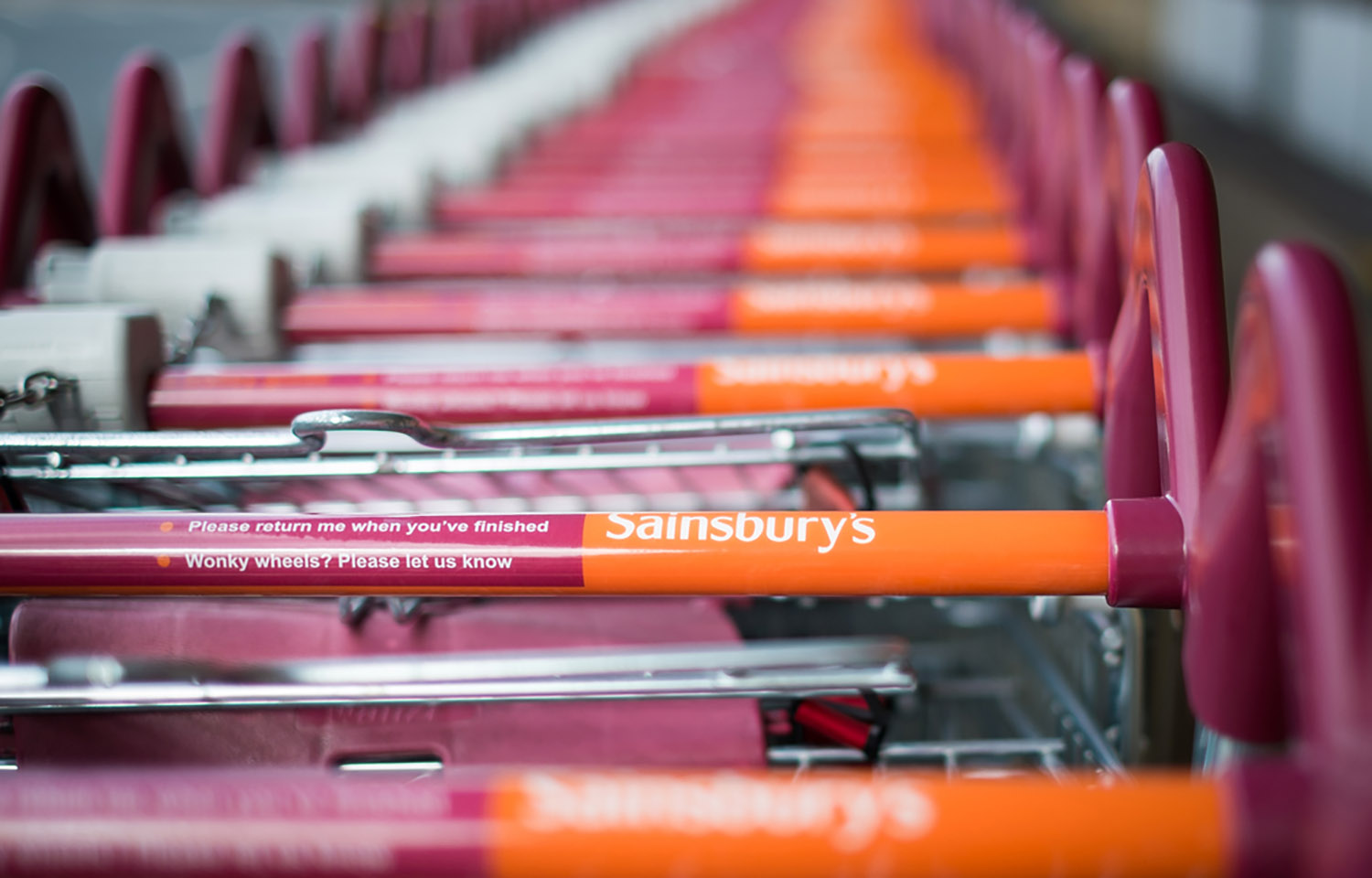
U.K. grocery chain Sainsbury’s has announced it aims to slash 3,000 jobs and streamline divisions, resulting in a proposed 20 percent reduction of senior management positions.
Similarly, Morrisons is planning to cut 200 jobs after a review of its structure.
“We are, therefore, proposing to remove the roles of regional people manager, store people manager, and case specialist from our structure, meaning colleagues in these roles are being placed at risk of redundancy,” a Morrisons spokesperson told The Grocer. “Before any final decisions are taken, we will undertake a minimum 45-day consultation process.”
Sainsbury’s said its job cuts aim to accelerate the goals laid out in its Next Level strategy.
“We launched our Next Level Strategy almost a year ago and are totally focused on making good food joyful, accessible, and affordable for everyone every day. As a result, we’re seeing real momentum across our business, with a best-ever value position, leading quality and increasing market share,” Sainsbury’s CEO Simon Roberts said. “As we accelerate into year two and beyond of our strategy, we are facing a particularly challenging cost environment, which means we have had to make tough choices about where we can afford to invest and where we need to do things differently to make our business more efficient and effective.”
As part of its Save and Invest to Win program to deliver GBP 1 billion (USD 1.3 billion, EUR 1.2 billion) of operating cost savings to the chain, the retailer plans to update its central divisions and management structures.
“This will see all head office departments reorganized to become dedicated to the different needs of the Sainsbury’s and Argos businesses while creating fewer, bigger roles with clearer accountabilities. The changes are designed to drive faster decision-making and bring costs down through an estimated 20 percent reduction in senior management roles over the next few months,” the retailer said.
Sainsbury's plans to “explore redeployment opportunities” for affected employees where possible.
Rhian Bartlett will become chief commercial officer for Sainsbury’s, and Graham Biggart will be managing director and chief strategy and supply officer at Sainsbury’s-owned grocery chain Argos.
In addition to the job cuts and management shuffling, Sainsbury’s proposals also include closing the firm’s remaining 61 Sainsbury’s Cafés, as well as some of its foodservice counters, subject to consultation.
“The majority of Sainsbury’s most loyal shoppers do not use the cafés regularly, and cafés and food halls run by specialist partners are becoming more and more popular,” the company said.
The most popular items from the patisserie, hot food, and pizza counters the company is closing will be available in the aisles, the retailer confirmed.
“As Sainsbury’s approaches the end of the first year of its Next Level strategy, more customers are choosing the retailer for their big shop, and the business is seeing strong momentum, with seven consecutive quarters of volume growth, its best-ever value position, and record customer satisfaction scores at Christmas,” Sainsbury’s said.
While implementing the job cuts, Roberts also said the company will work closely with suppliers to protect value for shoppers, per The Grocer.
“[We are] absolutely committed to doing everything we can to mitigate the impact of inflation,” Roberts said.
Jeremy Smith, the managing director and managing partner at U.K. supply chain consultancy 4C Associates, said in a LinkedIn post that pulling off the balance between a healthy supply chain and providing value to consumers can be tricky.
“Let’s hope the right balance is struck to ensure that consumers do get value but supply chains remain sustainable in the long term,” Smith said. “Tough times are ahead but, encouragingly, with ways forward if we collaborate more.”
The U.K. has instituted hikes to its national insurance tax, which has led industries such as retail and fishing, among others, to adjust.
The increase, which would be effective April 2025, would see employers’ insurance rates increase from 13.8 percent to 15 percent.
In a joint statement, the Scottish Pelagic Processors Association and the Scottish Seafood Association said the changes could threaten the seafood industry in Scotland.
“The proposed increases in National Insurance are expected to place an undue financial burden on employers, which could lead to difficult decisions regarding future staffing and investment,” the statement said. “Seafood businesses that were hailed as key to food security during the pandemic are facing numerous challenges as they work to stabilize and grow in a post-pandemic environment. The additional strain from proposed higher National Insurance contributions may force many businesses to consider layoffs or reductions in workforce hours to control costs, ultimately stalling the economic recovery we so desperately need.”
