





San Diego County has filed a labor enforcement lawsuit against several grocery store sushi companies, alleging they used a franchise scheme to cheat workers out of pay, overtime, and workplace protections.
A press release said the San Diego County Office of Labor Standards and Enforcement (OLSE) investigated several companies and examined how sushi workers were classified, paid, managed, and required to operate inside various grocery stores across the U.S. state of California. The lawsuit alleges those companies falsely claimed the sushi chefs who prepared food were “franchisees” and independent workers but were actually employees controlled by the corporation.
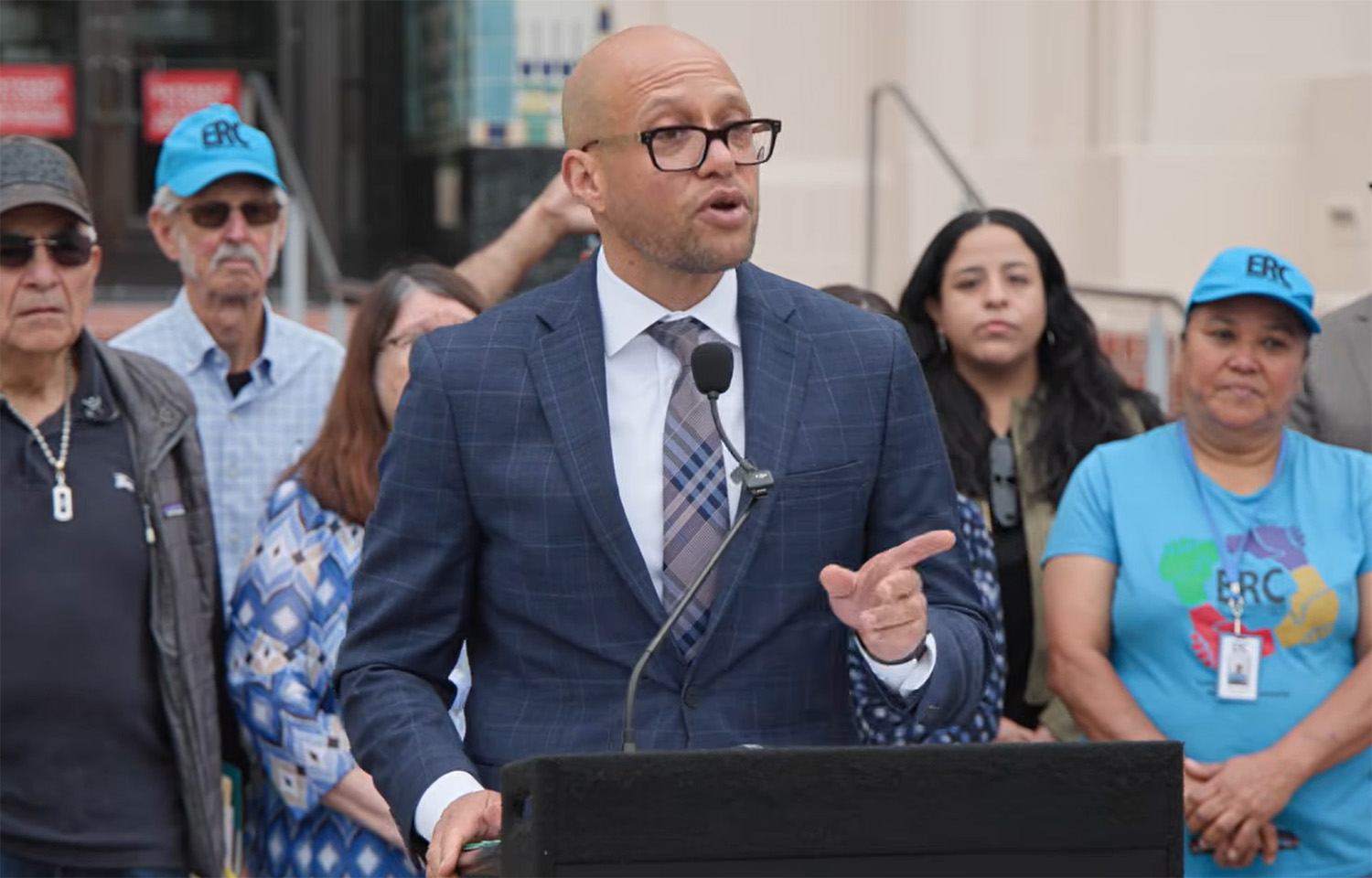
“This case is about exploitation hiding in plain sight,” OLSE Director Branden Butler said. “The companies built a business model on the backs of workers who deserve far better.”
The companies involved in the lawsuit are Ace Sushi Franchise Corp.; Asiana Management Group, Inc.; Advanced Fresh Concepts Franchise Corp.; Advanced Fresh Concepts Corp.; FujiSan Franchising Corp.; and Fuji Food Products, Inc.
According to the OLSE, the companies alleged the workers were independent and operating their own businesses, but in actuality, the companies controlled everything including store locations, menu items, pricing, promotions, stocking requirements, delivery deadlines, operating procedures, inspections, and required purchases. The result was workers had no business-owner rights, were cheated out of employee rights, and were also forced to pay business expenses that the companies should have paid themselves, the lawsuit alleges.
“The lawsuit we are announcing today alleges a deeply troubling scheme that exploited workers by convincing them they were becoming business owners, when in reality they were being denied the rights and protections guaranteed to employees under California law,” San Diego County Board of Supervisors Vice Chair Paloma Aguirre said.
The OLSE said its investigation found some of the workers worked demanding seven-day-per-week schedules, with workers clocking in for 50 to 70 hours a week. Despite these hours, they were often denied minimum wages, overtime, paid sick leave, meal and rest breaks, workers’ compensation protections, wage statements, and reimbursement from business expenses, OLSE said.
“Some workers earned so little they struggled to meet basic needs,” Butler said in a release. “If they got sick, they weren’t paid. If a store closed, they bore the losses. If they wanted to leave, they could face transfer or termination fees. That is not what independent business ownership is supposed to look like; that is workers carrying the risk while companies keep the control.”
Ace Sushi responded to the lawsuit, saying in a Facebook post that it could not comment on the specifics of the legal matters.
“We recognize the hard work, dedication, and entrepreneurial spirit that each of you brings to your business every day,” the company said. “As this matter moves through the legal process, we encourage everyone to stay focused on what you all do best: providing fresh, high-quality products, creating great customer experiences, and supporting one another.”
OLSE is asking the court to stop the alleged practices of the companies and reward the workers relief, including unpaid wages, damages, civil penalties, and more.
“Misclassification hurts workers, responsible employers, and the public,” Butler said. “This action reflects exactly why OLSE exists to investigate, enforce, and ensure workers are not left behind when business models are built around avoiding basic labor obligations.”
