




Seafood is underperforming in e-commerce but still has huge potential for growth, according to new reports.
According to the Digital Engagement Transforms Grocery Shopping 2026 report, conducted by FMI – The Food Industry Association and NielsenIQ, only 8.2 percent of total seafood sales are made online, versus 43.3 percent of health and performance product sales and 27 percent of coffee sales, for example.
“Many shoppers still prefer to select their fresh foods, including seafood, in person,” FMI Vice President of Research and Insights Steve Markenson told SeafoodSource, adding that many shoppers view seafood as a luxury item and want to ensure product freshness.
Still, almost half (48 percent) of seafood buyers have purchased fresh (34 percent) or frozen (44 percent) seafood online at some point, according to FMI’s 2026 Power of Seafood report.
Frequent seafood consumers are significantly more likely to have purchased online (57 percent) compared to occasional consumers (38 percent), and notably, frequent seafood consumers are far more likely to shop for groceries online in general, making an omnichannel strategy important for retailers to maintain.
“Forty percent of seafood is purchased by 10 percent of shoppers. Frequent seafood consumers, eating seafood two or more times a week, are highly engaged with the category and often have already experimented with online purchasing of seafood and found success,” Markenson said.
Online seafood shoppers outspend average grocery shoppers, both in-store and online, according to this year’s Power of Seafood report. They skew male and younger – primarily Gen Z and millennials – with larger households that include children, often comprise Hispanic and African American shoppers, and are typically more educated, earn higher incomes, and are predominantly employed full-time.
Additionally, the majority of online seafood buyers prioritize nutrition, health, and sustainability and view seafood as a core part of that commitment, according to FMI. While these shoppers are open to farmed options, they typically purchase more wild-caught seafood.
To grow online seafood sales among occasional seafood shoppers, food retailers need to provide educational resources and assurances that seafood purchased online will maintain freshness and quality throughout the delivery or pickup process, Markenson emphasized.
“For example, grocers could share how seafood products are stored while waiting for shoppers to pick them up or how they are packaged to maintain freshness during delivery. These details provide shoppers with assurance that they will receive the best value for their online seafood purchase,” he said.
Online shoppers seeking seafood are looking for an experience as similar to in-store shopping at a seafood counter as possible, according to Markenson.
"They want product details, cooking and preparation guidance, sourcing information, and more so they can make informed decisions that provide value beyond price and quality,” he said. “It’s also important to build a strong reputation for your seafood offering. Only half of seafood consumers could name a store or place in their area known for good seafood. Being known for the quality and freshness of your seafood offerings, both in-store and online, is one way to gain shoppers’ loyalty.”
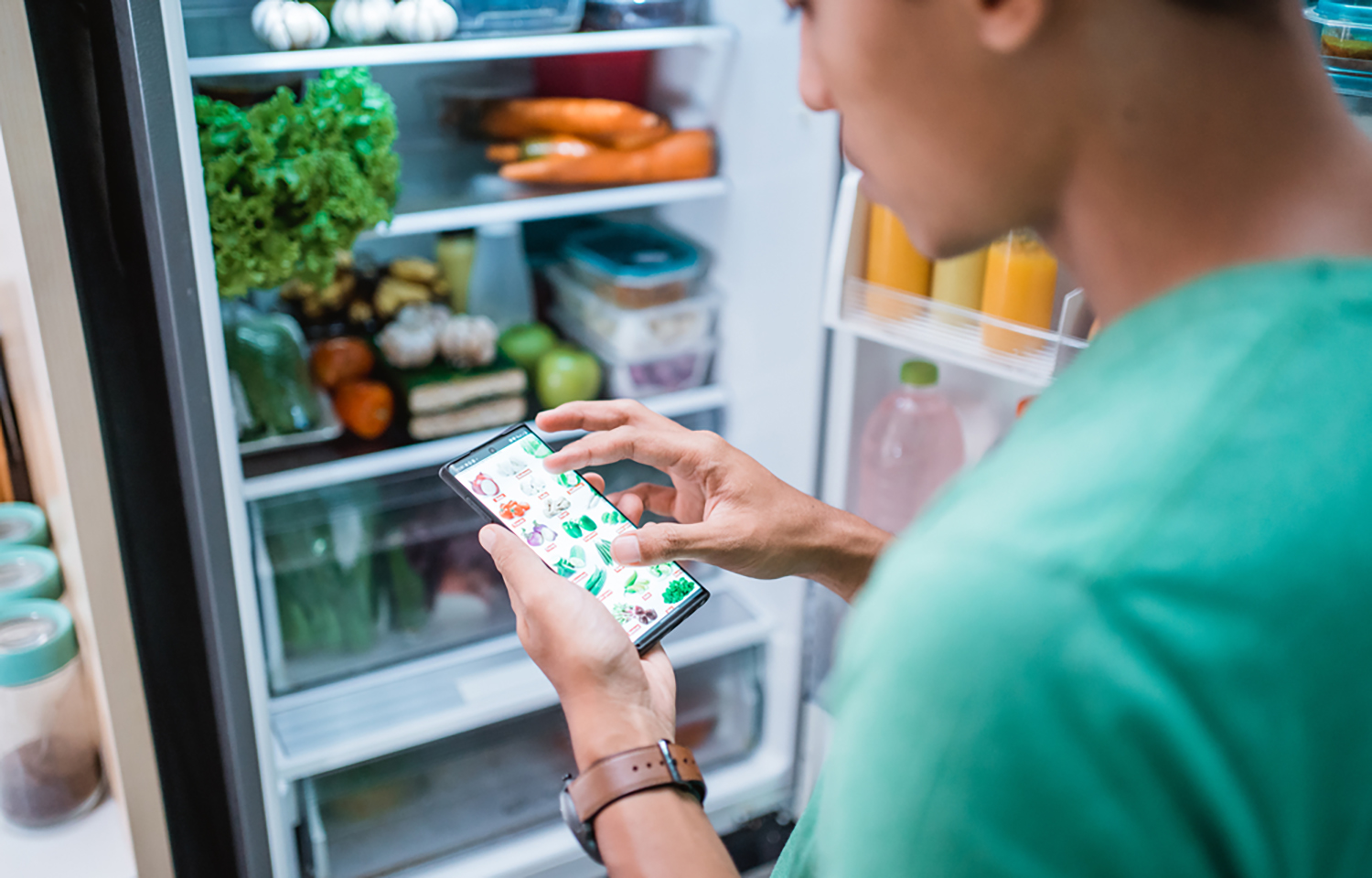
Meanwhile, overall e-commerce grocery growth in the U.S. is strong.
In 2025, online sales contributed close to 75 percent of total grocery sales growth by value, while in-store sales remained relatively stable, according to the Digital Engagement report.
Overall e-commerce grocery growth is expected to surge from USD 325 billion (EUR 278 billion) in 2025 to USD 452 billion (EUR 385 billion) by 2028, according to the report.
"E-commerce is poised for extensive growth. With online grocery sales increasing at a projected 11.6 percent annual rate through 2028 and already accounting for about one-fifth of total grocery spending, success now hinges on how well retailers connect digital and physical experiences into one cohesive journey,” NIQ Director of Ecommerce Strategic Insights Jack O’Leary said.
Food represents one of the largest opportunities for category expansion within e-commerce, as online food sales jumped nearly 19 percent in 2025. The report finds that without e-commerce, many grocery categories would post flat or declining sales, reinforcing the role of digital sales as a competitive lever rather than a complementary add-on.
“Omnichannel shopping is now the norm for most households,” Markenson said. “Nearly 94 percent of grocery shoppers in 2025 purchased both online and in-store, blending digital discovery, fulfillment, and store visits based on needs, timing, and convenience.”
