





Several seafood suppliers rolled out deals to capitalize on e-commerce spending during this year’s Amazon Prime Day sales promotion.
According to Adobe data, e-commerce spending during the event, which ran from 23 to 26 June, totaled USD 26.4 billion (EUR 23 billion), increasing 9.3 percent from 2025, when the event was held 8 to 11 July.
The sales spike is not surprising, according to William Stern, the CEO of U.S.-based small business lender Cardiff, who told Reuters that many Americans are seeking value amid economic uncertainty.
“Prime Day isn't going to be about buying big TVs or fun stuff this year. It's for buying toilet paper and garbage bags on sale,” Stern said. “Families are literally waiting for these discounts just to buy regular everyday things because their bank accounts are empty.”
Numerator analysis backed up Stern’s claims, finding that demand during the event shifted from splurges on consumer electronics to everyday essentials.
Among the essentials Americans stocked up on during the four-day event was groceries, including seafood.
Pittsburgh, Pennsylvania, U.S.A.-based seafood brand King Oscar, which is owned by Thai Union Group, told SeafoodSource its 2026 Prime Day sales were about the same as last year.
“Given there was a smaller assortment on deal, we are very excited about this,” King Oscar Director of Marketing Griffin Raasch told SeafoodSource.
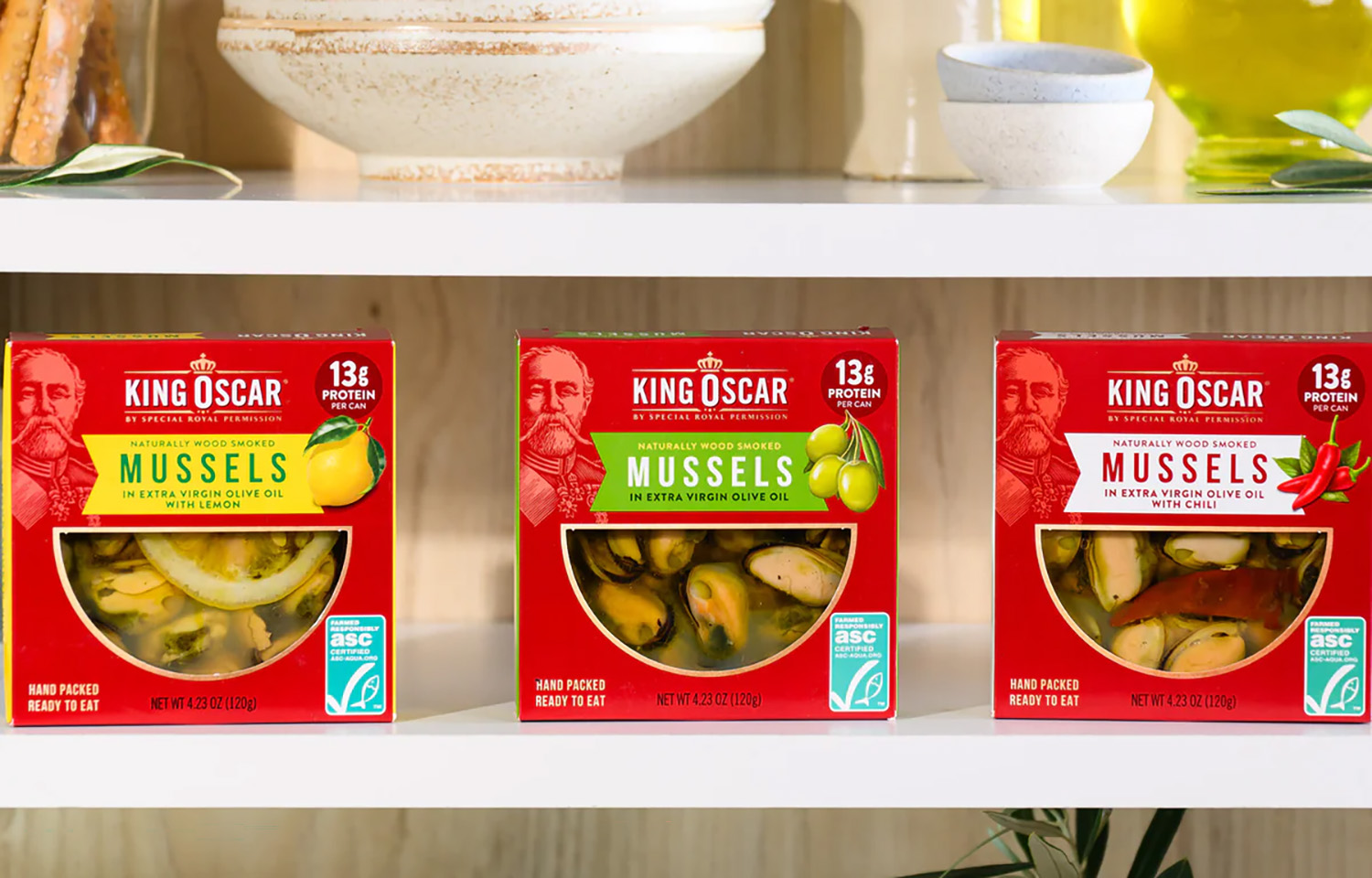
Alongside promoting its salmon and mackerel for Prime Day, King Oscar also rolled out Premium Smoked Mussels in Extra Virgin Olive Oil in three flavors – Extra Virgin Olive Oil, Extra Virgin Olive Oil with Lemon, and Extra Virgin Olive Oil with Chili – on Amazon before a launch into physical stores in a few months.
The firm said the products appeal to Americans looking for high-protein, healthy meals, as well as tinned fish, which has continued to grow in popularity.
“The tinned fish space is delivering impressive growth,” Raasch said. "Tinned fish is a convenient way to enjoy delicious, high-quality protein, and consumers love trying the many different types of fish in the King Oscar portfolio.”
Though Amazon’s Prime Day helped to boost products and brands like King Oscar, seafood is underperforming in e-commerce channels overall.
The recently conducted Digital Engagement Transforms Grocery Shopping 2026 report found that only 8.2 percent of total seafood sales are made online, versus 43.3 percent of health and performance product sales and 27 percent of coffee sales, for example.
“Many shoppers still prefer to select their fresh foods, including seafood, in person,” FMI Vice President of Research and Insights Steve Markenson told SeafoodSource in May, adding that many shoppers view seafood as a luxury item and want to ensure product freshness.
Still, another FMI study found that online seafood sales have enormous opportunity for growth, especially as e-commerce grocery growth as a whole is expected to surge from USD 325 billion (EUR 278 billion) in 2025 to USD 452 billion (EUR 385 billion) by 2028.
FMI’s 2026 Power of Seafood report found that frequent seafood consumers are significantly more likely to have purchased online (57 percent) compared to occasional consumers (38 percent), and frequent seafood consumers are far more likely to shop for groceries online in general, making an omnichannel strategy important for retailers to maintain.
To get occasional seafood shoppers to consider e-commerce, Markenson said retailers need to provide educational resources and assurances that seafood purchased online will maintain freshness and quality throughout the delivery or pickup process.
