





Only 7.7 percent of Americans aged 2 to 19 eat seafood at least twice weekly, according to the U.S. National Center for Health Statistics.
Though the stats are grim, some seafood manufacturers are aiming to reverse the negative trends.
One such manufacturer is St. Simons Island, Georgia, U.S.A.-based frozen seafood supplier SeaPak, which brought back its “Even the Pickiest Pick SeaPak” marketing campaign for this year’s Lenten season.
Last spring, SeaPak debuted the kid-focused initiative.
The supplier partnered with special and visual effects company Jim Henson's Creature Shop to create a national marketing initiative featuring The Otterfords – a family of lovable sea otter puppets “who know all too well what it's like to have a picky eater at the table,” the company said.
The campaign is a fun way to “highlight the quality and superior taste of the brand’s products while also building trust among parents,” Ciera Womack, the vice president of product marketing within the protein category at SeaPak’s parent company Rich Products, told SeafoodSource last year. "Through fun, engaging otter characters and a memorable branded mnemonic, SeaPak aims to break through the category clutter and increase recall in the freezer aisle.”
This year, SeaPak is revamping the campaign and helping parents with their picky eaters via a partnership with child nutrition expert Diana Rice, giving families the tips and tools “to put fantastic meals on the table during Lent and year-round” through approachable flavors, easy preparations, and low-pressure mealtime moments.
"When kids feel pressure to eat something unfamiliar, it often backfires," said Rice, a registered dietitian and founder of Tiny Seed Nutrition. “But, when seafood shows up in a way that feels familiar, it becomes an invitation to explore, not a battle. Lent is a great opportunity for families to shift from ‘You can't have that’ to ‘Let's try this together.’”
Food exploration doesn't have to mean clean plates or instant acceptance, according to Rice.
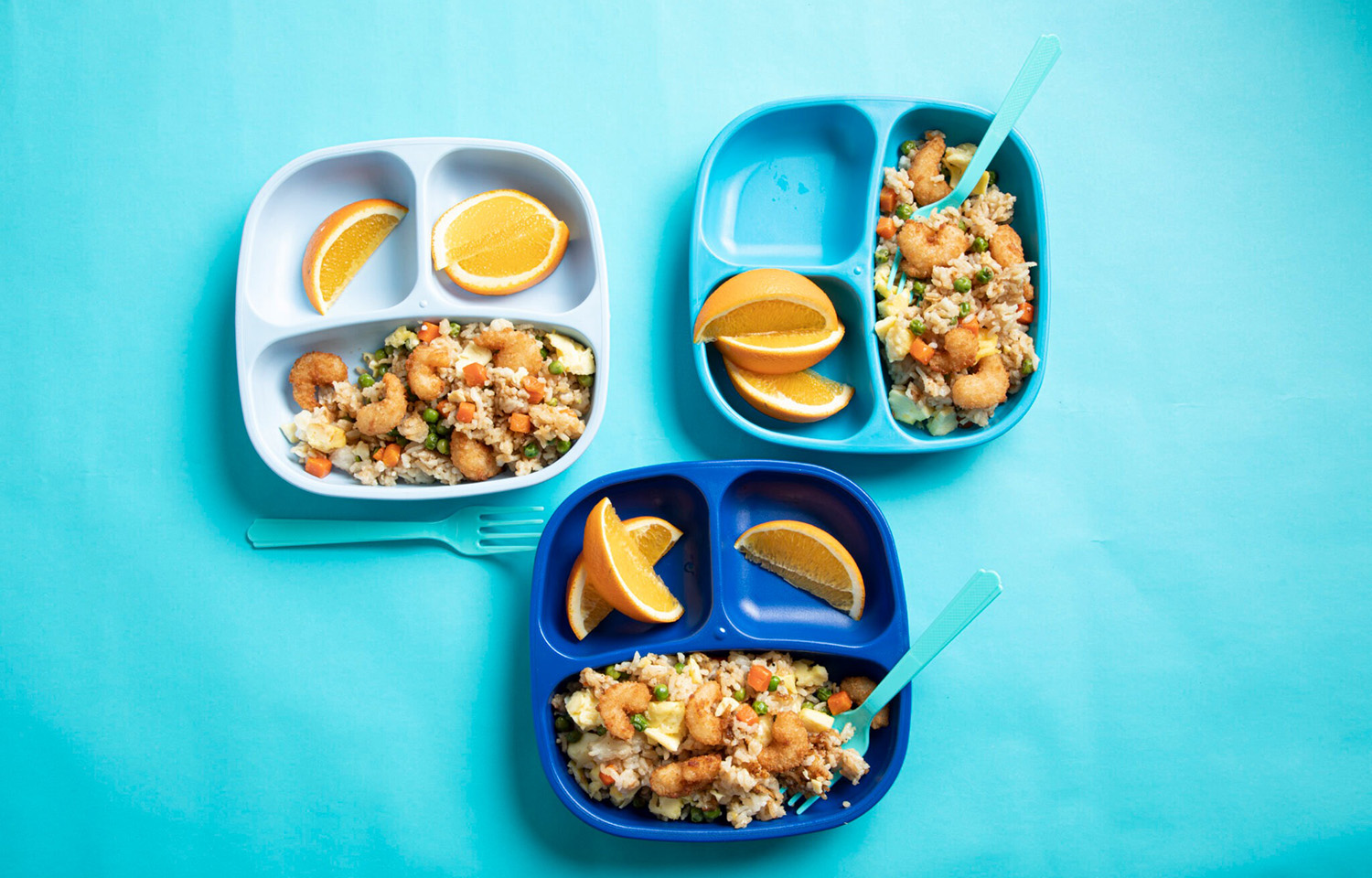
"Small interactions – smelling, dipping, touching, or even playing with food – are all meaningful steps toward long-term comfort and enjoyment,” Rice said, adding that shrimp is a particularly great option because it cooks quickly, works in meals families already enjoy, and feels fun – especially when kids can choose how to eat it.
Meanwhile, Sausalito, California, U.S.A.-based Safe Catch is also trying to get seafood on the tables of families across the country by launching its first frozen product: Safe Catch Fish Nuggets, which are made with Marine Stewardship Council (MSC)-certified Alaska pollock, the company said in a release.
“While frozen seafood nuggets have historically prioritized convenience, Safe Catch Fish Nuggets are designed to deliver both convenience and clarity,” the company said in a release.
Safe Catch has applied its proprietary mercury-testing technology to its new product, screening each batch of pollock to ensure it adheres to a strict mercury limit of 0.1 ppm, it said. The Fish Nuggets are also supported by Safe Catch’s Plastic Neutral certification, making them the only plastic-neutral seafood item currently available in the frozen aisle, according to the firm.
The pollock used in the nuggets is lightly breaded with simple ingredients and cooked in avocado oil; it also contains no seed oils, no added sugar, and no artificial fillers while delivering 18 grams of protein per serving, according to Safe Catch.
“The result is a family-friendly frozen option that aligns with growing consumer demand for cleaner, less processed foods,” Safe Catch said.
The new products are available nationwide at Sam’s Club locations.
“This product line expansion reflects broader shifts in consumer behavior. Families increasingly rely on frozen foods that support busy schedules, but they do not want to sacrifice ingredient quality,” Safe Catch Co-Founder and CEO Sean Wittenberg said. “Retailers are also seeing increased interest in products that balance convenience with trust, transparency, and nutritional value.”
The marketing campaign and product launches come as the U.S. government has encouraged increased seafood consumption, including among children, in its recently released 2025–2030 Dietary Guidelines for Americans.
As part of its updated advice, the guidelines have recognized seafood as a whole-food source of key nutrients and encourage Americans to prioritize omega-3 fatty acids. They recommend Americans to eat at least three or more servings of seafood per week but should potentially aim to include more servings based on individual caloric requirements for protein.
Additionally, they suggest parents introduce seafood to their children as young as 6 months of age.
“We applaud the Dietary Guidelines for Americans 2025–2030 for developing seafood consumption recommendations for children starting at 6 months of age. Seafood is an important food in healthy dietary patterns for kids and adults throughout their lifespan,” Seafood Nutrition Partnership Scientific Nutritional Advisory Council Director Tom Brenna said of the new guidelines.
