

Six years ago, The Seafood Company realized it had reached market saturation in its home markets of Singapore and Malaysia.
So, the vertically integrated seafood firm now wants to grab a share of the U.S. market with its unique whole panko soft shell crab product.
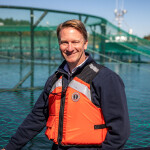
“We realized our future growth would only marginally increase if we didn’t do things differently,” The Seafood Company Managing Director Kenneth Chia told SeafoodSource at the 2024 Seafood Expo Asia, which took place in Singapore from 4 to 6 September. “So, we pivoted our efforts on trying to grow our exports and began working to get our overseas operations up and running properly.”
The company began investing in research and development of new products, bolstering its sourcing network, and expanding its sales team, with the goal of doubling sales from SGD 50 million (USD 38.4 million, EUR 34.8 million) to SGD 100 million (USD 76.7 million, EUR 69.6 million) in the next few years.
The Seafood Company prides itself on taking a hands-on approach to its products from source to market, according to Chia, which has complicated its efforts to scale up and out. It has more than 1,000 SKUs sold in Singapore, including live, fresh, and frozen seafood, from fisheries and farms it knows intimately. It also prefers to develop its own products – with feedback from retailers.
“We could more easily have done it by just trading buying from other factories overseas – in Indonesia, in Vietnam, in Thailand, and so forth – but we believe in quality and creating products we feel will be suitable for the market that we export to. So we're very involved right from collecting the raw material ourselves,” The Seafood Company Marketing and Business Development Director Sandy Lee said. “We go all the way to the source. In fact, we usually work with fishermen [and] cooperatives. We look at providing nets, boats, and funding for them, and we train many of them to help us collect the best-quality product.”
To bulk up, The Seafood Company opened a production facility and quality-control office in Indonesia and a second processing facility in Pakistan and signed agreements with original equipment manufacturer (OEM) partners in China and Vietnam.
“For us, it is about being responsible for declaring that you have good products. And, if you want to have good products, you want to get involved in the product. You can't depend on somebody else to do it for you,” Chia said. “Our philosophy is, we want to be responsible for the kind of food we put out there and be able to tell the story that we did this, we developed this.”
Under Lee’s direction, the company also worked hard to create products attractive to major seafood retailers – particularly in the U.S.
“We can't say that it's the sole key for us, but it's certainly one of the most important markets,” Chia said. “Pre-Covid, we set our eyes on China, actually. But, we’ve found our products are really more suited to the Western part of the world. The U.S. market is a lot more open to ready-to-eat and ready-to-cook products, and par-fried stuff, whereas in China, the main market is still foodservice, followed by retail, but the product range is still quite limited.”
Lee said his collaborations with U.S. companies, including Phillips Seafood, a crab specialist that has recently committed to its own expansion, has encouraged him to continue to focus on the U.S. market.
“The bigger companies in the U.S., they share everything with you in advance, and they want to work with you on a longer-term basis. Whereas in China, I find that it's a lot of spot buying, and then eventually they will turn the product into something they think is good for them,” Lee said. “There is a big difference, and that's why I enjoy working with American companies better. They share with you all the information to help you succeed.”
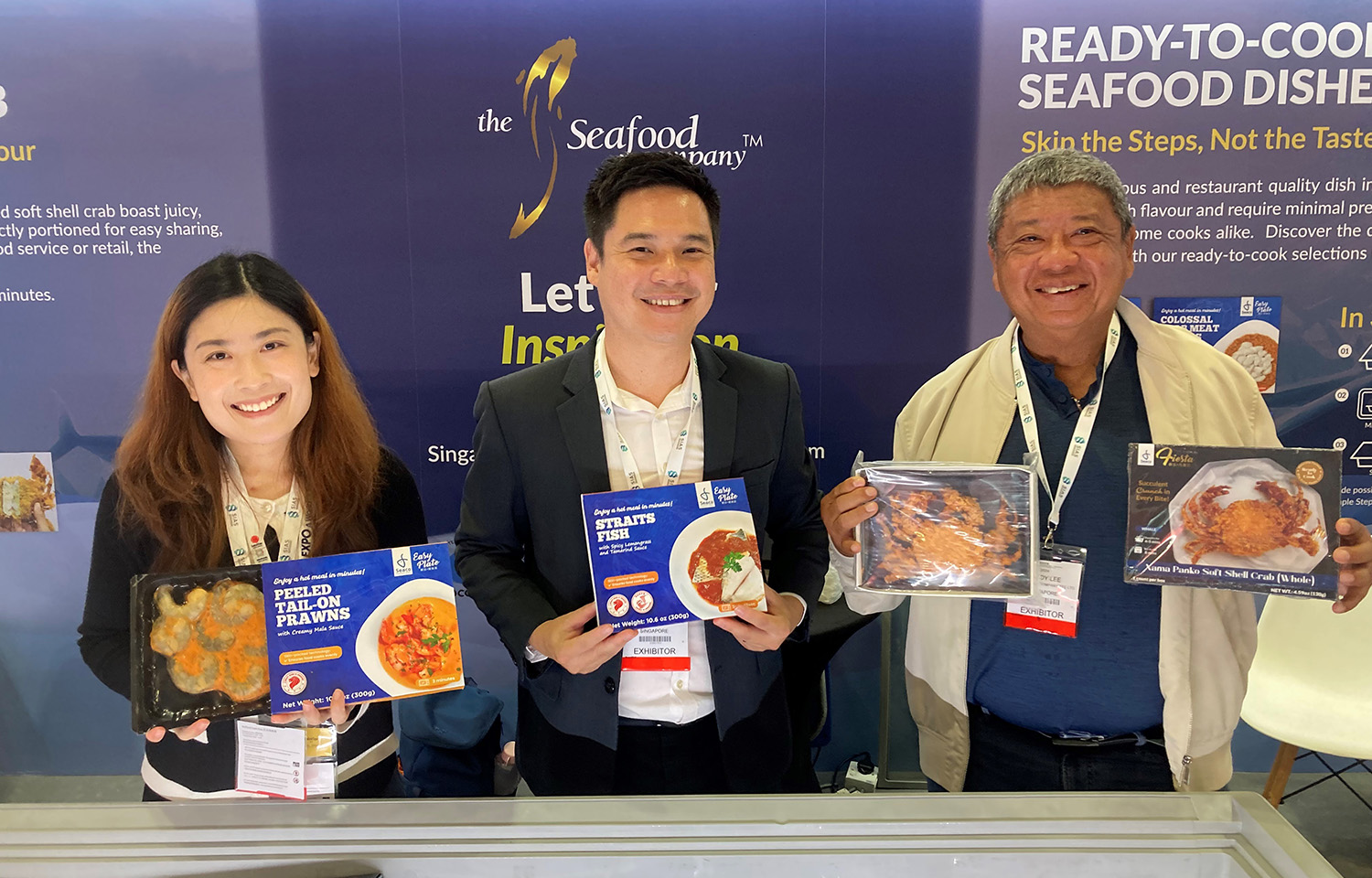
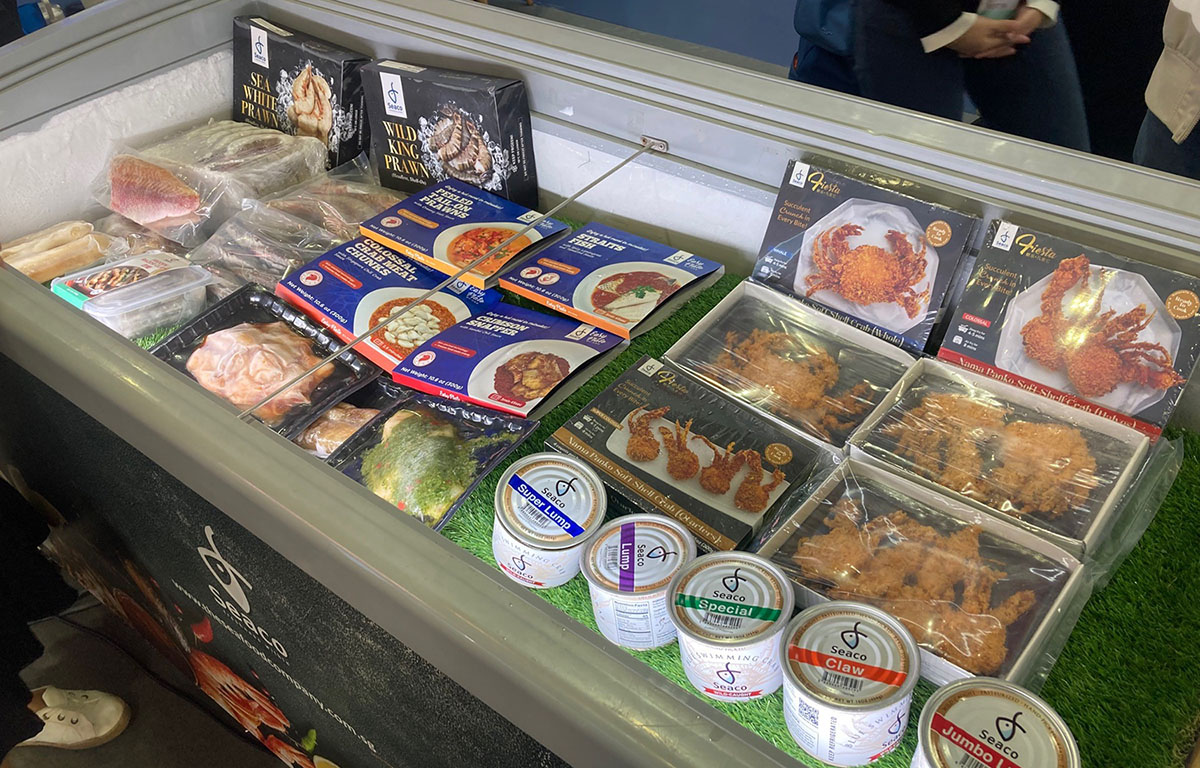
The vanguard of The Seafood Company’s first foray in the U.S. market is its Panko Soft Shell Crab, a product it developed in 2019 before shelving it due to the Covid pandemic. Made from crab farmed in Bangladesh and processed in Vietnam, the product is panko-crusted and packaged either whole, in halves, in quarters, or in portions. Lee said it’s likely to get picked up by one U.S. supermarket chain and that others have given positive feedback on it.
“We will probably try to launch toward the end of the year. We hope to get it sold in places like Costco,” he said.
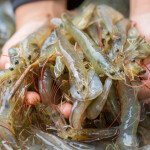
The Seafood Company is working with fishermen in Indonesia’s West Papua province to eventually source its crab from them. The project also involves mangrove preservation and restoration and the creation of a social support system in conjunction with Freeport-McMoRan Mining, the largest company operating in the region.
The company’s Peeled Tail-On Prawns With Creamy Mala Sauce and its Straits Fish with Spicy Lemongrass and Tamarind Sauce are both geared more toward Asian specialty stores, but Lee said with younger Americans favoring bolder flavors, they might eventually find mainstream buyers, especially since the products are all so easy to cook, as they’re skin-packed in a way that allows them to be steam-cooked in a microwave.
“The most important factor for us was that all these products are easy to prepare. For the crab, just stick it in the air-fryer for eight minutes. For the others, just microwave them,” Lee said.
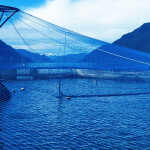
The prawns are wild-caught and sourced from the eastern end of Indonesia. The Straits Fish product is marine tilapia sourced from Singaporean salt-water farms, in alignment with Singapore’s goal of producing 30 percent of its own food by 2030. The Seafood Company has assisted local farmers in forming a cooperative and promising it will buy a certain amount of their fish.
“It’s primarily for domestic consumption, but we have reached the point where our sales are hitting a ceiling in Singapore. Nobody's going to eat the same fish every day, and the truth is Singapore’s farmed fish are not truly cost-competitive yet; hence, we have to find other means to sell them,” Chia said. “But we want to do our part for Singapore and align ourselves with the country’s national goal, so we’re doing our part.”
Chia said The Seafood Company’s commitment to going about its business with integrity has also lead it to commit more to sustainability initiatives.
“A lot of that is just talk nowadays, with so many companies who like to put a Marine Stewardship Council or Aquaculture Stewardship Council logo on their trucks but really just have a couple of certified SKUs. But for us, between last year to now, we got very serious about it. We have achieved low-carbon ESG accreditation from EcoVadis. It's not great yet, but at least we got a bronze. And, we have very clear steps to get silver, and then we're going moving towards gold. It's a lot of work and it really involves our whole team, your whole procurement team,” Chia said.
Chia has also entered conversations with the Marine Stewardship Council to see if it can help improve sustainable practices in some of the fisheries The Seafood Company is involved in, such as the king prawn fishery in Indonesia.
“If we just went where the money is, we’d be doing things very, very differently, to be honest, but we enjoy what we do and are passionate about doing business the right way,” he said.
