




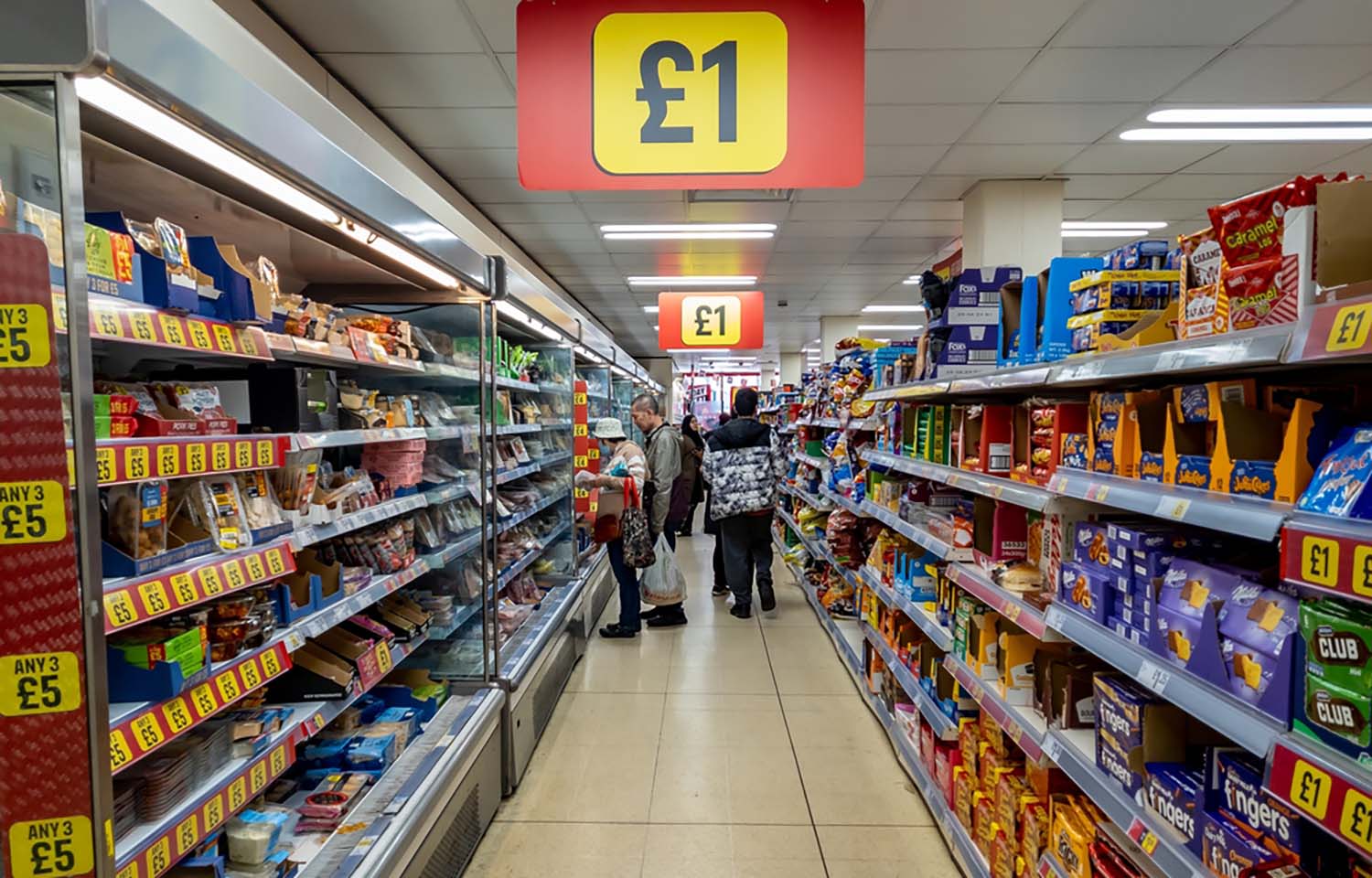
Grocery price inflation in the U.K. hit its highest level – 5.2 percent – since January 2024 in July, according to new data from research firm Worldpanel by Numerator.
Institute of Grocery Distribution (IGD) data added that the elevated inflation is not going anywhere, warning in its most recent Viewpoint report that retail food inflation is set to peak in late summer and is significantly outpacing general inflation.
"This rise is expected to place further pressure on both households and businesses, as the U.K. economy continues to grapple with sluggish growth and persistent price pressures,” IGD said in a press release, adding that consumer sentiment is particularly fragile amid “ongoing geopolitical tensions and persistent pricing pressures.”
Food prices are now the top concern for U.K. shoppers, IGD found, overtaking worries about energy costs.
Similarly, Worldpanel found that nearly two-thirds of U.K. households say they are very concerned about the cost of their grocery shopping, according to Worldpanel Head of Retail and Consumer Insight Fraser McKevitt.
Consumers are adapting their habits to avoid the full impact of price increases, such as buying more own-label products. As a result, sales of own-brand products have grown by 5.6 percent in July compared to 4.9 percent for brand products, according to McKevitt.
“These inflationary worries aren’t just changing what we buy but how we prepare it, too. We often see people choosing to make simpler meals when they are trying to save money, and today, almost seven in 10 dinner plates include fewer than six components,” McKevitt said.
IGD Head of Economic and Consumer Insight Michael Freedman said only 29 percent of consumers plan to cut back on grocery spending but not because most consumers have money to spend; in fact, he said it’s the opposite.
“Many have already tightened their budgets and have little room to cut back further,” Freedman said.
Instead, shoppers are more likely to look for savings on discretionary purchases like clothing and eating out, “underscoring a clear prioritization of food shopping over other categories,” Freedman said.
“Businesses should adapt to shifting customer behaviors by offering value, convenience, and memorable experiences to attract customers and drive growth,” he said.
Food manufacturers are also having challenges with the rising costs of food ingredients, as food and drink inflation has been steadily increasing throughout the year.
“Food and drink inflation has consistently outpaced the overall rate of inflation throughout the year and seen sharp increases in the past 12 months. We expect inflation to rise further this year,” U.K. Food and Drink Federation Director of Sustainability and Growth Balwinder Dhoot said in a press release.
Dhoot said to help alleviate this pressure, the U.K. government’s new Food Strategy should include another review of the costs and regulations facing food and drink manufacturers in order to address creeping price inflation.
