

Kenya has put KES 3.8 billion (USD 29.1 million, EUR 25.5 million) toward marine and inland fisheries landing sites and associated facilities as part of KES 8.2 billion (USD 62.8 million, EUR 55.1 million) in funding the Kenyan National Treasury has allocated for the nation’s blue economy and fisheries subsector for the 2026-27 fiscal year.
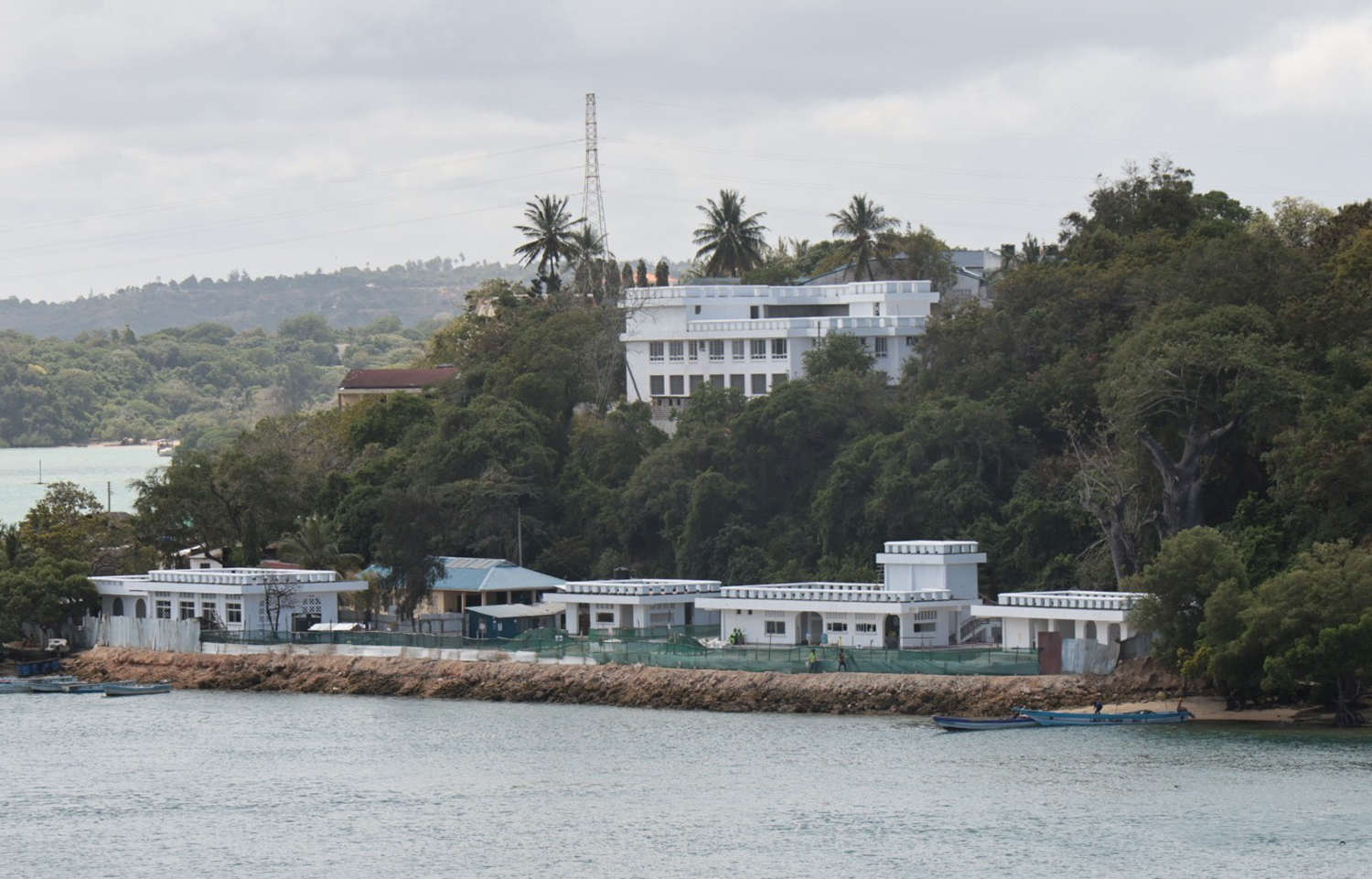
Around KES 1.1 billion (USD 8.4 million, EUR 7.4 million) of the investment is earmarked for five landing sites in the coastal counties of Mombasa, Lamu, Tana River, Kilifi, and Kwale.
An additional KES 1.5 billion (USD 11.4 million, EUR 10 million) will go toward landing sites around Lake Victoria, while KES 182 million (USD 1.4 million, EUR 1.2 million) has been allocated for a fisheries project on the shores of Lake Turkana.
Some of the financing, especially regarding the modernization and equipping of landing sites around Lake Victoria, is coming from the International Fund for Agricultural Development (IFAD) under its Aquaculture Business Development Program, an initiative undertaken in partnership with Kenya's State Department for Blue Economy and Fisheries.
The Kenya Fisheries Service (KeFS), an agency focused on the management and development of fisheries and aquaculture resources in the country, will be spearheading the development of the landing sites, as well as docking facilities, cold storage and ice plants, fish processing areas, and market support infrastructure.
Through these upgrades, the government is aiming to reduce post-harvest losses among fishers, processors, and traders, a trend officials blame on inadequate handling, preservation, and market infrastructure. Previous Food and Agriculture Organization statistics estimate that 37 percent of food produced in sub-Saharan Africa is lost at points along the value chain, revealing an urgent need for solutions to help the industry reduce losses.
The slated upgrades also align with KeFS goals to have 43 fish landing sites fully built, rehabilitated, or equipped by the end of 2028 to improve the safety and quality of fish and fish products in the country, as well as boost fishers’ income and ensure stability of the domestic seafood market.
Other investments going toward the blue economy in the new budget include KES 2.1 billion (USD 16 million, EUR 14.1 million) for an aquaculture business development project, KES 1.8 billion (USD 13.8 million, EUR 12.1 million) for the Kenya Marine Fisheries and Socioeconomic Development Project, and KES 578 million (USD 4.4 million EUR 3.9 million) for the Kabonyo Fisheries and Aquaculture Training Center.
“These investments will expand sustainable aquaculture, uplift fisherfolks’ incomes, and create jobs in value addition and logistics,” Cabinet Secretary for the National Treasury and Economic Planning of Kenya John Mbadi said.
