

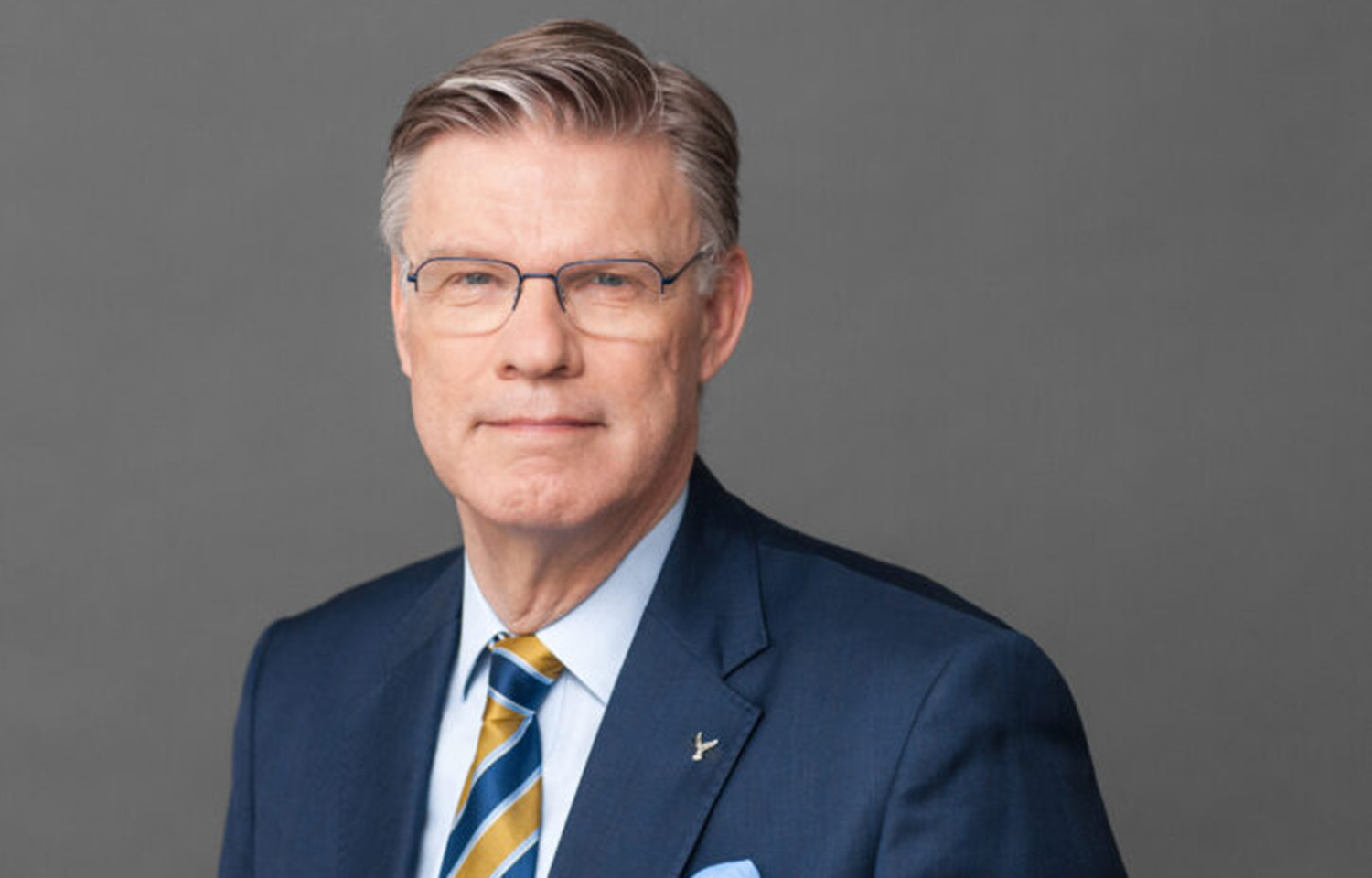
Árni M. Mathiesen is the independent chair of the Global Roundtable on Marine Ingredients.
Launched in 2021 by IFFO-The Marine Ingredients Organisation and Sustainable Fisheries Partnership (SFP), the Global Roundtable on Marine Ingredients is a sector wide, multi-stakeholder initiative working to drive environmental and social improvements in key fisheries globally. Its members are Aquaculture Stewardship Council (ASC), MarinTrust, Marine Stewardship Council (MSC), Global Seafood Alliance (GSA), Nissui, Mars, BioMar, Cargill, Skretting, OLVEA, The Federation of European Aquaculture Producers (FEAP), Sustainable Fisheries Partnership (SFP), and IFFO - The Marine Ingredients Organisation.
For years, debates about globalization and fisheries have focused on what international markets take from coastal communities. That concern is valid and should remain core to all stakeholders’ attention. But there is a need to acknowledge that when global value chains are aligned around transparency and shared responsibility, they can also become powerful engines for better fishery management, stronger governance, and wider adoption of credible standards.
The 37th Session of the Food and Agriculture Organization (FAO)’s Committee on Fisheries (COFI) is convening in Rome, Italy, from 7 to 11 September 2026. COFI has always relied on an inclusive, multidisciplinary and multistakeholder approach. The experience accumulated over the years in West Africa illustrates why it is the right one.
Small pelagic fisheries in West Africa support food security, jobs, and livelihoods across multiple countries. Yet the region faces increasing pressure from overfishing, climate change, and growing competition for resources. Several stocks are overexploited.
The Global Roundtable on Marine Ingredients, launched by IFFO and Sustainable Fisheries Partnership in 2021, was established to bring together stakeholders across the marine ingredients value chain and drive environmental and social improvements in key fisheries. Its objective was to create a pre-competitive platform where industry actors, governments, scientists, civil society organizations, and certification programs could collectively address sustainability challenges.
Critics sometimes portray international buyers as passive recipients of whatever fisheries produce, not taking local livelihoods into account. In reality, well-structured value chains can create incentives for improvement. Healthy fish stocks underpin future production, economic value, and food security. By contrast, persistent overexploitation diminishes fish populations over time, resulting in the loss of a critical natural resource. Major feed manufacturers, aquaculture companies, retailers, and seafood brands increasingly require evidence of responsible sourcing. Those expectations travel upstream through the supply chain, encouraging investment in better governance, improved monitoring, and fishery improvement projects (FIPs) that can eventually lead to certification recognising responsible practices.
Fisheries often need years of investment in data systems, governance frameworks, stakeholder engagement, and monitoring before they can meet internationally recognized standards. Fishery Improvement Projects provide that bridge, helping fisheries progress step by step toward greater accountability.
Stakeholder engagement in Mauritania contributed to consultations that helped shape a national management plan for small pelagic fisheries that entered into force in 2022. Measures included new fishing zones and requirements for freezing capacity on vessels and in factories. Export data subsequently showed growth in fresh and frozen fish exports while fishmeal and fish oil production declined substantially.
Because fisheries improvements rarely succeed when attempted by a single actor, new initiatives based on contributions from all parties are underway:
- The Global Marine Commodities Project II (GMC2) is a five-year international initiative coordinated by the United Nations Development Programme, financed by the Global Environment Facility and implemented by Sustainable Fisheries Partnership. Launched in July-August 2026, it aims to strengthen marine resource governance, reduce bycatch, and promote environmental and social sustainability across seafood value chains in Northwest Africa (Morocco, Mauritania, Senegal) and Latin America (Ecuador, Guatemala, and Panama).
By creating an enabling environment in which regulators feel confident to act, value chain platforms are definitely part of the solution.
