



For nearly 30 years, Edmonds, Washington, U.S.A.-based Keyport has focused on supplying wholesale premium crab to distributors, retailers, and foodservice partners.
However, as e-commerce capabilities have improved across the industry, Keyport President Craig Morris told SeafoodSource that consumers began asking the company how they can place orders for Keyport’s Alaska-caught crab products directly.
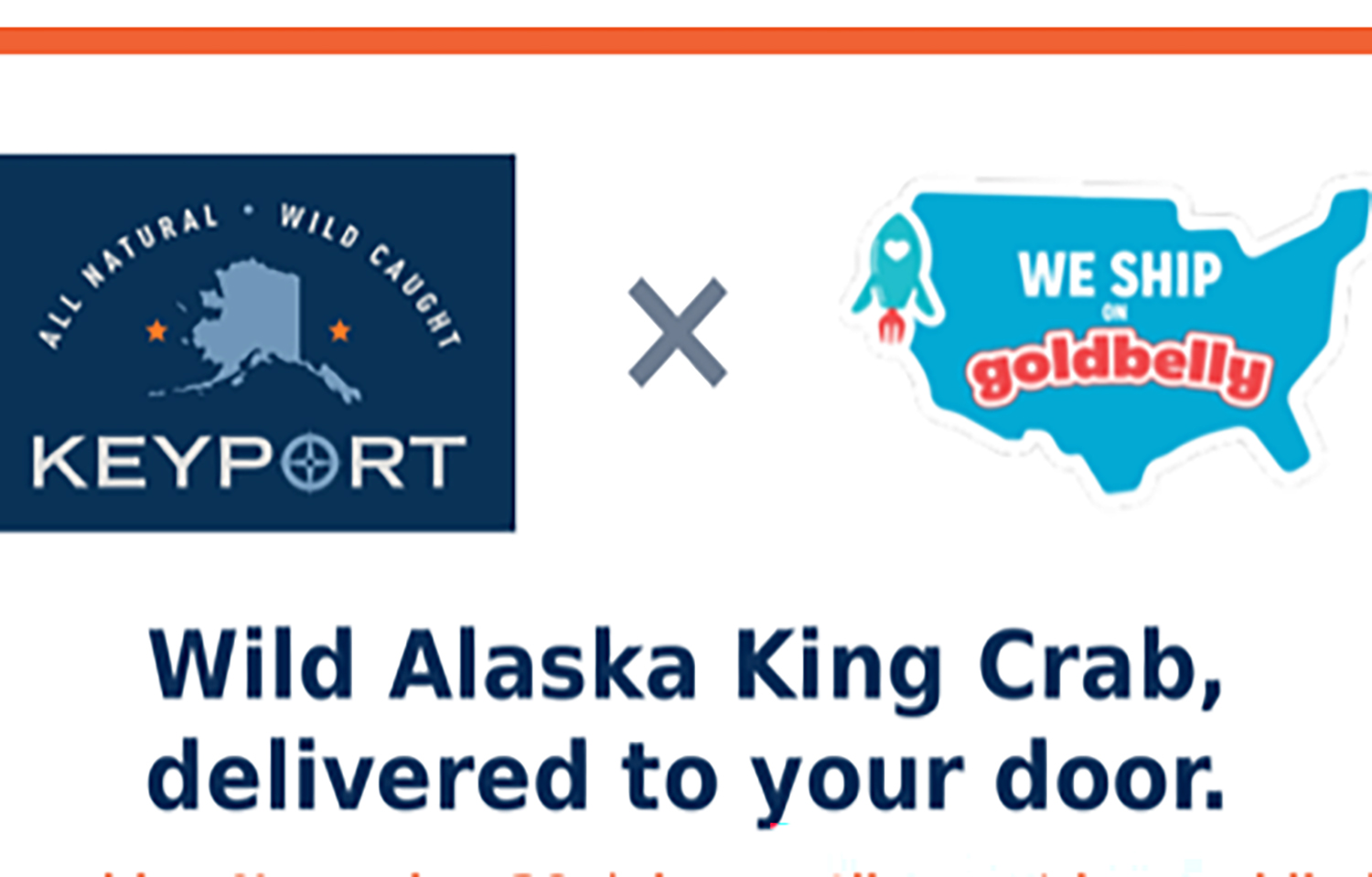
Responding to that customer feedback, Keyport has now launched a direct-to-consumer (DTC) service in collaboration with e-commerce firm Goldbelly.
The service, launched nationwide on 17 November, utilizes Goldbelly’s digital storefront to provide seafood shoppers across the country with Keyport’s premium red and golden king crab legs and claws in 3- and 6-pound quantities.
“Bringing Keyport directly to the consumer has been a goal of ours for a long time,” Keyport CEO Mark Pedersen said in a release. “Our wholesale partners have been, and will continue to be, the foundation of our business, but for consumers who want to experience Keyport crab firsthand, Goldbelly will give them the chance to do so.”
The move comes shortly after Keyport added the new “U.S.-Caught Seafood label,” introduced as part of U.S. President Donald Trump’s America First Seafood Strategy, to all of its marketing materials and packaging.
“Keyport has been built on one thing: Alaska crab, harvested by U.S. fishermen and processed in U.S. plants. We’re proud to be the nation’s premier processor and distributor of Alaska-caught crab, and shoppers deserve to know where their seafood comes from,” Morris said. “It’s such a big part of our story, especially with our partnership with Native corporations in Alaska. When we saw it, we thought it was a natural fit.”
The label was introduced by the U.S. government in late October and is a voluntary seafood designation that can be applied to products harvested by domestic commercial fishermen on U.S.-flagged vessels.
“The species managed in U.S. waters are American icons – from Maine lobster to Gulf shrimp, from Alaskan salmon to Florida stone crab. American seafood is a rich part of U.S. history and our vibrant coastal economy,” U.S. Secretary of Commerce Howard Lutnick said in a release when the program was announced. “The America First Seafood Strategy ensures that the future of seafood in the United States will be built by American fishermen, American workers, and American industry – not by foreign imports.”
Morris told SeafoodSource he was surprised many domestic seafood producers have not yet started using the logo and said he hopes more follow suit.
“It doesn’t matter whether it is Maine lobster or another domestic species. It’s something we can hopefully all agree on,” Morris said.
For Keyport in particular, Morris said the company is optimistic the logo will garner more loyalty to Alaskan crab, explaining that when U.S. policies eventually change around sourcing Russian crab in the future and more foreign supply enters the market, such a designation will hopefully ensure customers stick with U.S.-caught crab.
The launch of the DTC service and the addition of U.S.-Caught Seafood labeling align with goals Keyport outlined for Morris when he joined the firm earlier this year.
“Where Craig adds value is strengthening the enterprise and helping tell the Keyport story more boldly,” Pedersen said after Keyport hired Morris in late February. “We’ll continue expanding thoughtfully, whether that’s new products, new partnerships, or broader distribution while remaining aligned within our operating model.”
