





In seafood supply chains across the world, poor harvesting practices, inadequate processing and handling protocols, and a lack of supply chain oversight and traceability can result in lost value for producers and prevent international markets from accessing new sources of responsibly produced seafood.
To mitigate the issue, SmartFish, a nonprofit social enterprise based in La Paz, Mexico, has developed a Value Rescue Model for use in Mexican finfish, octopus, and shrimp fisheries.
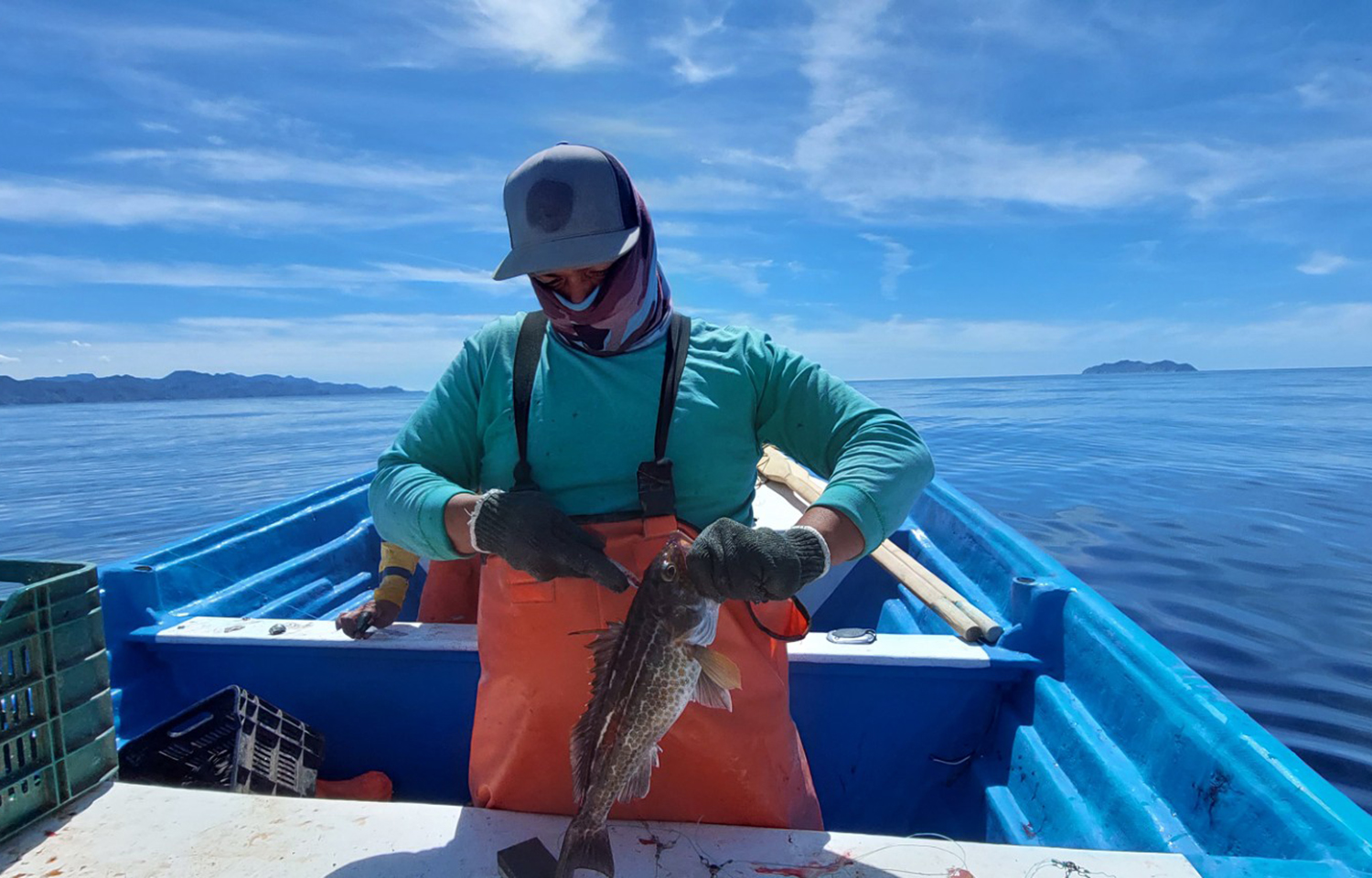
Since 2015, SmartFish has supported small-scale fishing cooperatives in improving the quality, traceability, and marketability of their seafood, helping them capture more value while expanding the supply of responsibly produced seafood available to end markets.
That work has widely expanded over the decade SmartFish has been operating.
“During 2024 and 2025, we supported 19 cooperatives across five Mexican states in rescuing the value of their finfish, octopus, and shrimp products,” SmartFish Executive Director Cecilia Blasco said. “These efforts resulted in more than 212 metric tons [MT] of seafood sold into higher-value markets and created 53 new full-time and seasonal jobs in pre- and post-harvest activities, most of them held by women. We also supported the adoption of digital traceability systems and coordinated five fishery improvement projects [FIPs] that strengthened the environmental foundation for small-scale fisheries on their path toward sustainability.”

The organization’s Value Rescue Model starts with a scoping and assessment of fishing cooperatives. SmartFish then provides training and tools that help operationalize improved practices, increase business capacity, and internalize sustainable management practices in cooperatives’ fisheries, which Blasco said is essential where government management and enforcement efforts may be lacking or absent.
“When we first started, our work focused primarily on improving product quality and adding value through processing,” Blasco said. “Over time, we learned that consistently meeting buyers’ expectations requires much more than a good product. It also requires strong producer organizations with business systems, governance, and commercial capacity to be reliable long-term suppliers. That realization led us to expand our work beyond quality improvement to strengthening fishing cooperatives as enterprises.”
Once SmartFish helps drive change within fisheries, it then helps connect fishing cooperatives with commercial buyers, bridging the market access gap for small-scale producers.
On the end market side of the supply chain, SmartFish aims to build demand for sustainably sourced seafood.
The organization works closely with retailers, distributors, hotels, and restaurants to develop responsible sourcing policies and practices based on market analysis, supply chain assessments, and procurement data. Together, these market partners procure approximately 1,700 MT of seafood annually.
For instance, SmartFish partner Grupo Chedraui, which is a grocery firm operating over 500 locations in Mexico, has increased its procurement of products sourced from certified fisheries by 48 percent over the past two years. SmartFish has also collaborated with upscale hotel Waldorf Astoria Los Cabos Pedregal, as well as its seafood distributor Nueve Palmas, to introduce seafood sourced from Baja California Sur fishing cooperatives participating in FIPs onto its menus.
SmartFish’s work addressing major structural issues that are trapping value for small-scale fishers and supply chains has come with some valuable lessons, Blasco said.
“One of our biggest lessons has been that lasting change happens when fishing cooperatives stop competing solely on price and begin competing on consistency, quality, traceability, and reliability,” she said. “Our goal is to help transform small-scale producers from price-takers into enterprises that can consistently meet buyers’ expectations and build long-term commercial relationships.”
However, new challenges constantly arise for the nonprofit.
“Our next challenge is helping producer organizations operate with greater consistency across the network. Large buyers need reliable volumes, consistent quality, and dependable supply. By aligning standards and coordinating production across cooperatives, producer organizations can aggregate supply and collectively meet the expectations of larger and more sophisticated markets,” Blasco said. “Our experience has shown that some of the world’s most promising seafood suppliers are small-scale producer organizations. When buyers engage with them early and invest in long-term partnerships, they help build more resilient supply chains while securing access to differentiated products.”
