

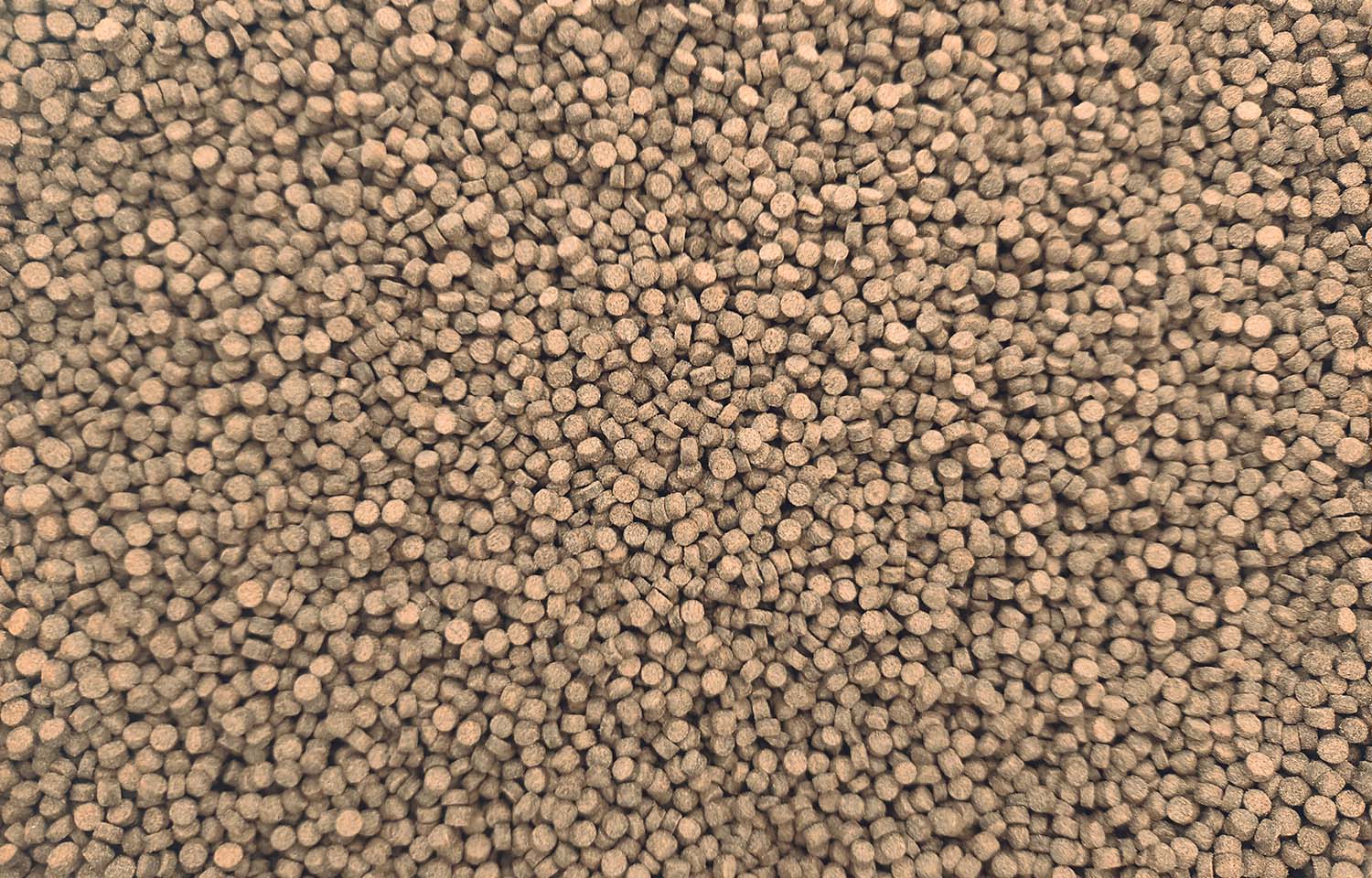
Norway has officially greenlit the use of ingredients derived from GMOs authorized by the E.U. without requiring another approval process.
The new changes, which were adopted on 12 November, allow the use of feed produced from genetically modified organisms (GMOs) so long as they have been approved by either the Norwegian Food Safety Authority (Mattilsynet) or the European Union. Those changes take place immediately, according to text on Lovdata.
Mattilsynet launched a consultation on the potential opening up of GMO aquafeed products in March and has since decided the products can be approved so long as they have gone through the E.U.’s own food safety processes. The decision also comes after a study by the Norwegian government found that aquaculture producers were experiencing an additional NOK 1.8 billion (USD 183 million, EUR 168 million) in costs. The requirements also exposed producers to more challenges due to the industry’s reliance on imports.
“Because large parts of the fish feed are imported, access to GMO-free raw materials depends on global stability,” a government study states.
That study also found that GMO raw materials in feed are regulated in the E.U., but that agreement hadn’t been incorporated into Norway’s regulations, leaving a big gap in the types of ingredients Norwegian producers could acquire.
“There are currently about 90 to 100 GMO products approved in the E.U. for food and feed, and only one in Norway,” the government study said. “A possible change would allow for the use of non-germinated E.U.-approved products such as oil and meal from corn, rapeseed oil, and soybean in fish feed without Norwegian approval, a change that could affect the costs and preparedness related to the supply of feed in the aquaculture industry.”
Now that the change has been approved, Norwegian producers can begin sourcing those GMO ingredients.
Norway’s only approved GMO ingredient prior to the new regulations was Aquaterra, an omega-3 oil used for fish feed that was produced via a genetically modified canola product.
The decision also comes as the global aquaculture industry is facing a tighter supply of aquafeed as IFFO – The Marine Ingredients Organization reports outputs of fishmeal and fish oil in 2026 are well behind 2025.
