

The Norwegian seafood industry is participating in a widespread effort to clean up plastic pollution ahead of “World Cleanup Day” on 20 September.
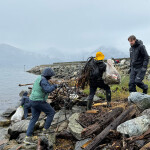
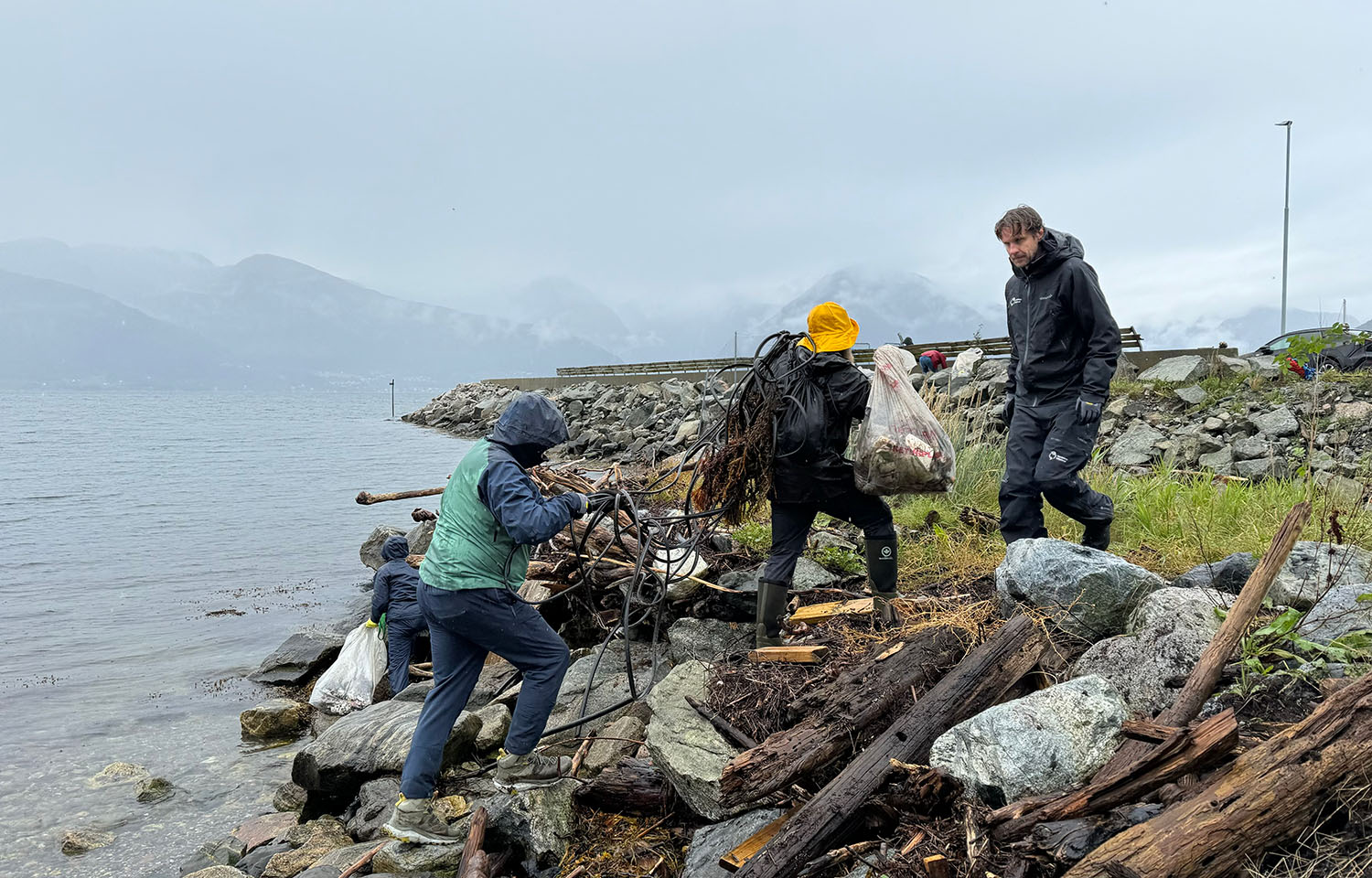
World Cleanup Day was created to drive progress on tackling waste, and was named an international day on the United Nations Calendar in 2024. According to a release by the Norwegian Seafood Council (NSC), the country’s seafood industry is participating in Beach Cleanup Week, which culminated in a joint effort to remove marine litter from the Hardangerfjord – one of the world’s longest fjords.
According to NSC, this marks the fifth year of the “Clean Hardangerfjord” campaign, which was launched in 2022.
The Norway-wide campaign runs longer, and in 2025 it cleaned up over 164,000 kilograms of marine litter. The effort was started by the nonprofit Hold Norge Rent, or “Keep Norway Clean,” which is working to create a litter-free Norway through multiple cleanup efforts across the country.
“We have set high goals for Beach Cleanup Week this year, and I believe we will achieve them. People are incredibly committed, and it is inspiring to see how many people stand up for nature year after year,” Ingeborg Rønning, the project manager for Beach Cleanup Week with Keep Norway Clean, said in a release. “When thousands of volunteers clean up together all over the country, it makes a real difference.”
The efforts in Hardangerfjord alone have already cleaned up multiple tons of plastic waste.
“Over the first four years, we have collected 80 metric tons of plastic from the Hardangerfjord,” Kenneth Bruvik, a founder, board member, and project coordinator for Framtidshavet (The Future Ocean Foundation), said in a release. “This has been possible thanks to a unique collaboration between the public sector, schools, private businesses and voluntary organizations. When we all pull together, it is incredible what we can achieve.”
NSC said the Norwegian seafood industry has contributed to the Clean Hardangerfjord effort since it started, ensuring boats, equipment, and volunteers are all available to the campaign.
“We are very grateful for the efforts made by the entire seafood industry,” Bruvik said. “Although we still find a lot of marine litter originating from aquaculture and fisheries, today’s industry representatives have a completely different attitude from their predecessors. It is no longer acceptable for a fisher or aquaculture operator to throw waste into the sea.”
Keep Norway Clean Secretary General Cecilie Lindvall Wendelboe said the efforts of businesses are essential to making the week a success.
“Our opening event in Bodø, where the seafood industry is involved, is a brilliant example of how joint efforts have an effect,” Wendelboe said.
The seafood industry has taken multiple efforts to tackle plastic pollution in the ocean, especially amid growing concerns about microplastics contamination in seafood. Recent data has revealed as much as 70 percent of floating microplastic debris in the ocean could be from lost, abandoned, or discarded fishing gear, also known as “ghost gear.”
NGOs have pushed for a “Global Plastics Treaty” that encompasses ghost gear, but that effort has failed to reach a consensus multiple times, with the most recent impasse occurring in August 2025.
