



The latest meeting aimed at passing a global plastics treaty (INC 5.2) ended without even reaching a consensus on a new draft text, leading some to believe that future negotiations will revert back to the text agreed upon at the INC 5.1 meeting held in Busan, South Korea, in late 2024.
After 10 days of negotiations in Geneva, Switzerland, in late summer, the second part of the fifth session aiming to reach a global plastics treaty ended in disappointment for many parties.
“Failing to reach the goal we set for ourselves may bring sadness, even frustration. Yet, it should not lead to discouragement. On the contrary, it should spur us to regain our energy, renew our commitments, and unite our aspirations,” former INC Chair Luis Vayas Valdivieso said to the United Nations Environment Program (UNEP). “It has not happened in Geneva, but I have no doubt that the day will come when the international community will unite its will and join hands to protect our environment and safeguard the health of our people.”
The draft that parties in Geneva attempted to put forth omitted or weakened several key elements compared to the Busan text, including global measures to reduce plastic production, mandatory rules on chemicals of concern, binding obligations, and voting mechanisms for future action.
Experts who either attended or simply observed the conference levied the blame for the impasse in varying directions. Some noted the presence of 234 registered fossil fuel and chemical industry lobbyists at the meeting in Geneva, which was a record number compared to INC-3 and INC-4 totals. Others called for a complete overhaul to the negotiations’ procedural process.
“The majority of member states rejected new treaty texts introduced by the chair as disappointing, unacceptable, and weak. We are now reverting back to the treaty text presented months ago in Busan. The negotiation process has utilized many resources and has wasted time owing to lack of voting: Consensus has not – and will not – work, and it is time to fix the process so that we can get a treaty that can successfully end plastic pollution,” Pacific Environment Vietnam Country Director Xuan Quach said in a statement.
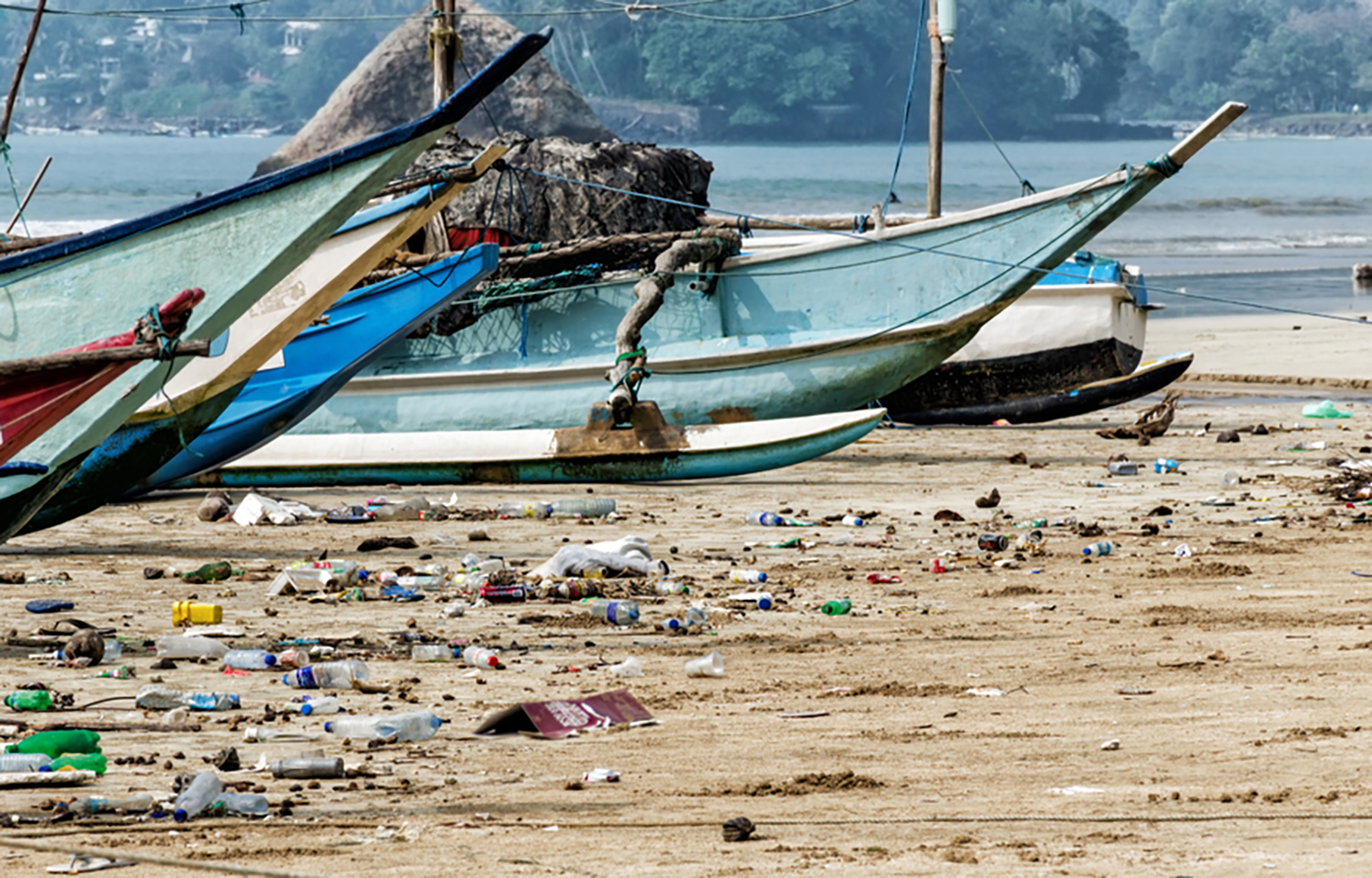
Regardless of whether the process for negotiating a global plastics treaty changes, the issue of discarded fishing gear, or ghost gear, is likely to remain a pertinent topic in future talks. The topic was originally added to a draft text but then removed during the start of INC 5.2 negotiations.
“Ghost gear – which makes up 46 percent of the Great Pacific Garbage Patch and has killed marine animals for decades – has been completely erased from the text. The standalone article on sustainable production (Article 6) has also been deleted in its entirety. This is a betrayal of those ambitious countries that have called for a reduction in plastic production in any public declarations,” OceanCare CEO Fabienne McLellan said during INC 5.2.
If the parties revert back to the draft text from Busan, the issue of ghost gear will be back in the text at the start of INC 5.3, scheduled for early February 2026 in Geneva.
Due to the stalled talks at INC 5.2, Luis Vayas Valdivieso formally stepped down as chair of the negotiations prior to the 2026 talks, with a new chair yet to be named.
“After the catastrophic leadership of INC-5.2, we need a chair willing to reflect the will of the ambitious majority in the treaty text, be independent from UNEP's partisan and reckless stewardship of the treaty negotiations, and uphold the mandate to cover the full life cycle of plastics. From the very beginning, the Global South has led the charge for a strong treaty; in this pivotal moment in treaty negotiations, we need that leadership more than ever. We encourage the Bureau to elect a chair that represents Global South vision and commitment to justice,” GAIA Plastics Program Director Ana Rocha said.
