


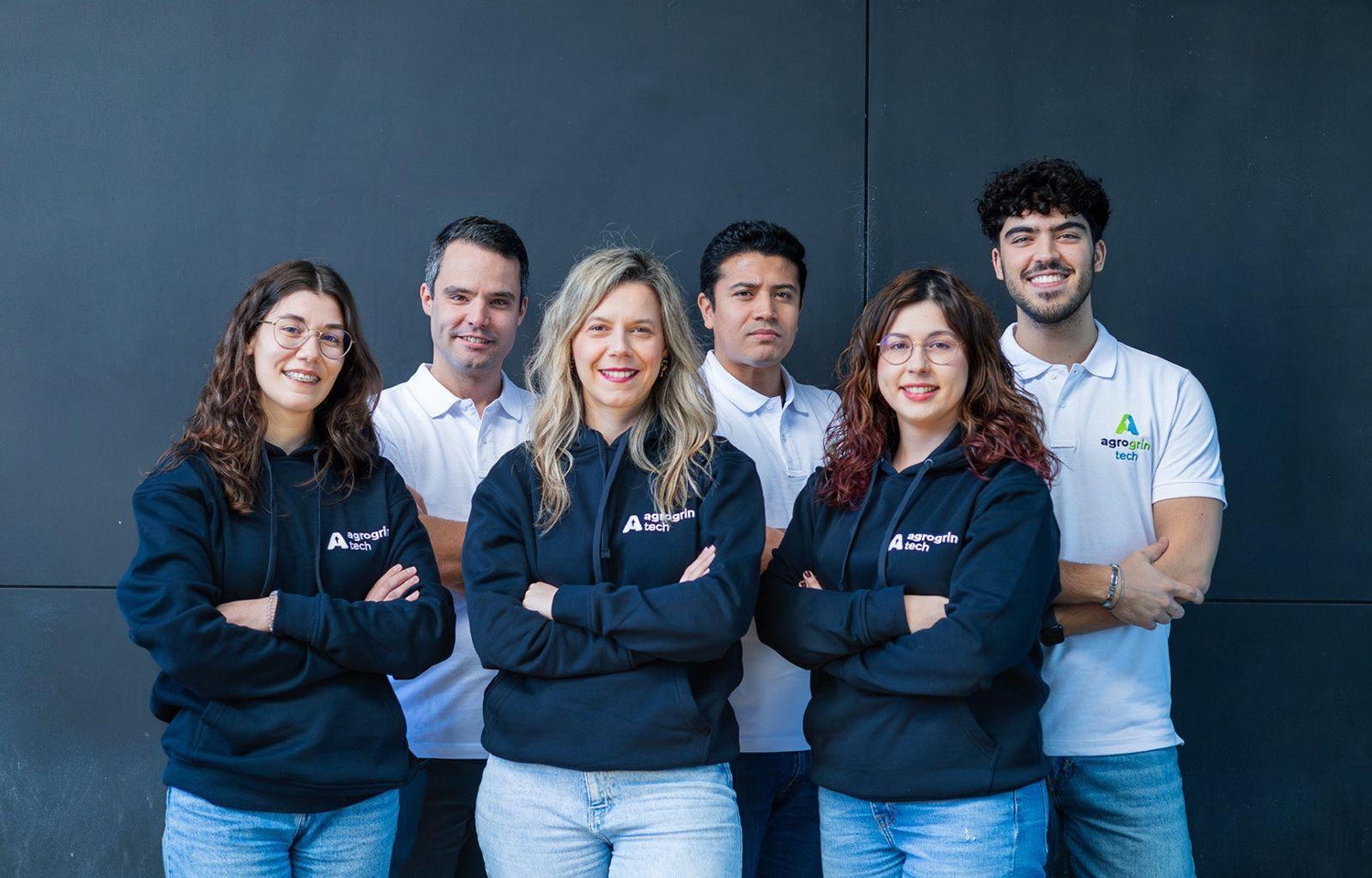
Portuguese startup AgroGrINTech is using pineapple waste to create a high-value ingredient in fish feed.
Developed under the Pep4Fish project, which seeks innovative solutions to strengthen farmed fish production, the company is using waste from pineapple production to extract bromelain – an enzyme that can be used in the production of protein hydrolysates for fish feed. Compared to other fruits, pineapples contain a particularly high concentration of bromelain, particularly in the fruit’s skin and core, which are commonly discarded.
Born out of a need to find a sustainable use for the large volumes of pineapple waste generated by an unnamed Portuguese company, the Pep4Fish project has now found a use for that waste to enhance the nutritional profile of fish feed.
“Bromelain has anti-inflammatory and digestive properties that improve nutrient absorption and fish health, with significant benefits for aquaculture,” AgroGrINTech CEO and Founder Débora Campos said in a release.
By the end of 2026, the Pep4Fish project will have secured a total of EUR 1.2 million (USD 1.3 million) in funding. This comes from several sources, including private investment and Portugal’s Recovery and Resilience Plan (PRR) – a national program financed by E.U. recovery funds.
AgroGrINTech explained that the investments have enabled it to scale up production and refine its end products. Through the project’s pilot unit, the company said it has been able to maintain the same ingredient profiles and extraction yields achieved in its original lab tests while optimizing its production line.
“This optimization, still under the PRR, has made it possible to multiply by four the production capacity forecast in 2025. The unit has gone from 50 kilograms to around 200 kilograms of bromelain per year, [utilizing] around 120 tons of pineapple byproducts,” Campos said, adding that the same process also yields pineapple flour, creating a near zero-waste model. “The implementation of this pilot line is an important milestone in developing a sustainable process for the valorization of agro-industrial waste, with a positive impact on both the environment and the company’s competitiveness.”
As for next steps, the company said it plans to consolidate sales and sign its first supply contract in 2027, launching an investment round to support commercialization and internationalization.
The innovation comes as calls for alternative ingredients in aquafeed mount across the global aquaculture industry.
Late last year, aquafeed experts warned in a study that climate change and fishery management restrictions could affect wild catch of forage fish and lead to a 70 percent decline in the output of certain high-value farmed species if the production of alternative feed ingredients is not scaled up.
“Treating fishmeal and fish oil as strategic, finite resources, while accelerating alternative innovations, can help sustain aquaculture growth and reduce exposure to supply variability,” said Ling Cao, the study’s lead author.
