






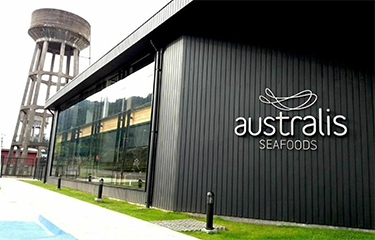
Puerto Varas, Chile-based Australis Seafoods has filed several proposed compliance programs to address concerns raised by Chile’s Superintendency of the Environment (SMA).
The SMA has accused Australis Seafoods of producing more than 85,000 metric tons (MT) of farmed Atlantic salmon beyond what its permits allowed between 2014 and 2022, filing 21 sanctioning procedures against Australis, including 52 serious infractions for overproduction and five minor charges for other environmental breaches. The company now reportedly faces a total fine equivalent of up to CLP 178 billion (USD 222 million, EUR 203 million). The charges, filed 25 April, came in response to both SMA's own investigations and overproduction self-reported by Australis.
Australis has previously said it remains confident it will not face harsh SMA sanctions. It referred to the SMA’s 2018 auto-reporting guide, which “allows the offender to opt for the benefit of an exemption or reduction of the fine that would be applicable with respect to the offense(s) that are the subject of the self-report.” Therefore, the SMA incentivizes self-reporting of violations by waiving all fines or offering significant reductions in fines for companies turning themselves in for overproduction.
The company has proposed more than 20 programs containing nearly 300 actions to compensate for the self-reported overproduction. The programs would cost the company a total of CLP 64 billion (USD 79.6 million, EUR 73.2 million) if the SMA accepts them as proposed, SalmonExpert reported.
Some of the actions that aim to compensate for the overproduction would run through 2028 and include halting production at the corresponding farming centers until they would have achieved 91,376 MT, striking that amount from scheduled production.
In Australis’s documents filed with the SMA, the salmon farmer said that “considering the charges formulated for overproduction in cycles associated with Australis’s productive planning at its [grow-out] centers, the need was identified for an overall adjustment of the company's production, mandated by applicable regulations and management-oriented toward environmental compliance.”
The proposed actions would take effect at the following grow-out centers in the Magallanes region:
Córdova 4; Muñoz Gamero 1; Cordova 5; Pan de Azúcar, Muñoz Gamero 2, and Punta Ramón; Skyring; Caleta Fog and Obstrucción; Punta Goddard; Bahía Buckle, Punta Lauca, and Puerto Brown; Isla Grande; and Bahía León and Canal Bertrand.
As well as at the following centers in the Aysén region:
Humos 3 and 4; Matilde 1 and 2; Rabudos; Moraleda; Melchor 1 and 4; Luz 1, Humos 2, Luz 2, and Traiguen 1; Humos 1; Matilde 3; and Humos 5 and 6.
In the documents submitted to the environmental regulator, Australis also highlighted its “voluntary and collaborative participation in the SMA compliance pilot program, being the first in the industry to join.”
Australis said its comprehensive environmental compliance program prioritizes the delivery of online data to authorities and seeks to scale this program to the company’s entire operations.
It was within this framework that the company filed self-reports with the SMA regarding overproduction.
Additionally, Australis said it had initiated the process on SMA-required compliance programs on the same day it provided its overproduction reports to the agency.
“We are reassured with the phases that have been completed, and we are certain that self-reporting was the right path to take to ensure compliance with Chilean environmental regulations,” Australis previously told SeafoodSource in a statement. “As a company controlled by a responsible foreign investor, we know that self-reporting will have a negative impact in the short term, but we hope that justice sanctions those responsible considering the damage that third parties have generated to the company.”
Australis has tried to place much of the overproduction blame on its former owners. Its controlling company, the Chinese food service giant Joyvio, is currently locked in a heated legal battle with the Chilean salmon farmer’s former owner, Isidoro Quiroga, accusing him and his inner circle of fraudulently hiding information regarding overproduction when the Chinese firm purchased Australis in 2018 for USD 921 million (EUR 846 million).
Quiroga has responded that the accusations are slanderous, claiming that it would have been impossible for the Chinese firm not to have seen the production levels during the due diligence process. While that lawsuit is ongoing, Australis has been working with the environmental authorities to right its historical infractions.
Photo courtesy of Australis Seafoods
