




Inland Seafood and its owners are seeking compensation from former employees who filed a lawsuit against the company, which was dismissed earlier this month.
Inland – as well as Inland Founder and CEO Joel Knox, Inland COO Bill Demmond, Inland President Chris Rosenberger, and Inland Attorney and Register Agent Les Schneider – have requested the plaintiffs in the suit remunerate them for legal fees estimated at approximately USD 500,000 (EUR 455,000).
They were sued in November 2022 by former employees who accused the firm’s executive team of inflating the value of the company when it created a leveraged employee stock ownership plan in 2016, in violation of the Employee Retirement Income Security Act. The suit was tossed out by U.S. District Court Judge Leigh Martin May on 5 December, after she ruled the plaintiffs did not fully pursue remedy of their problems with the employee stock ownership plan before filing suit.
“Plaintiffs’ bad faith attempt to circumvent binding Eleventh Circuit precedent caused the Inland Fresh Defendants to incur substantial additional and unnecessary litigation expenses,” the Inland group wrote in their 19 December filing.
Each of the five plaintiffs in this case “are all former managers and executives of Inland Fresh, each of whom received over USD 100,000 [EUR 90,950] in yearly compensation while employed at Inland Fresh,” according to the filing.
“A number of the named plaintiffs left Inland Fresh to work for one of its direct competitors, Farmers & Fisherman Purveyors. The Inland Fresh defendants thus believe that plaintiffs collectively have the ability to satisfy an award of attorney’s fees. And, to the extent plaintiffs contend they lack the ability to satisfy an award, this court should require plaintiffs to submit evidence supporting such an argument,” it said. “Inland Fresh and the [employee stock ownership plan] should not bear the costs of plaintiffs’ decision to pursue their untimely and unexhausted claims.”
The Inland team said a judgment requiring the plaintiffs to pay its legal costs provide a deterrent to the filing of similar lawsuits in the future.
“Plaintiffs forced the Inland Fresh Defendants to incur precisely the type of unnecessary litigation expenses the exhaustion requirement was supposed to prevent. An award of attorney’s fees is also necessary to deter similar conduct in the future and will help ensure that other employee stock ownership plans are not subjected to unnecessary and meritless ERISA litigation going forward,” it said.
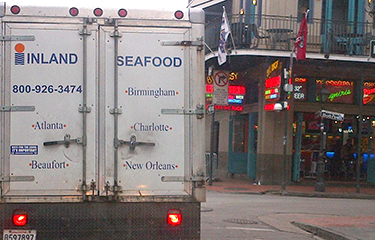
Photo courtesy of Inland Seafood
