

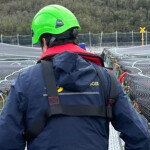


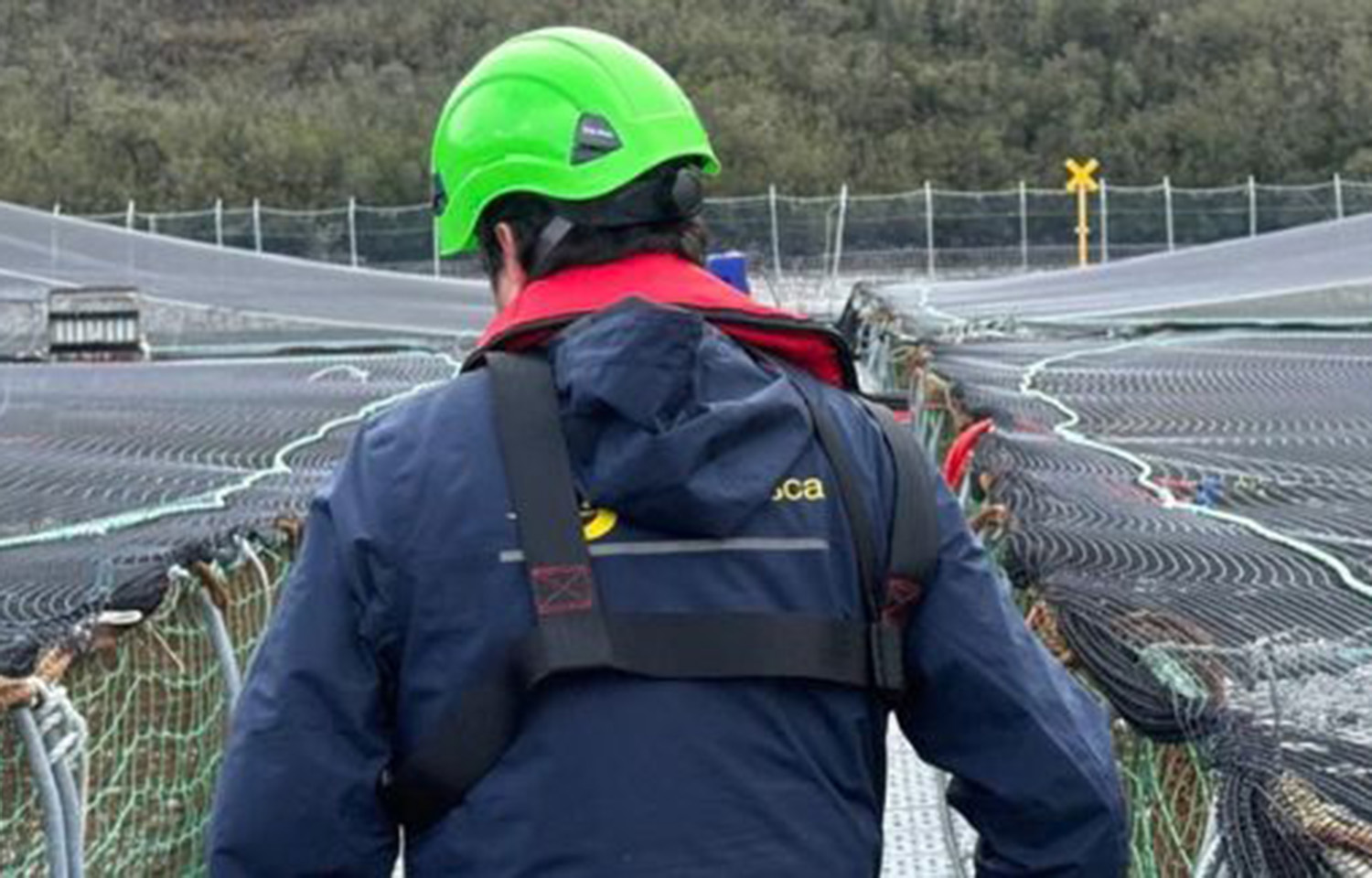
Chilean salmon-farming firm Salmones Camanchaca harvested two pens at its Izaza farming center after fish there tested positive for the infectious salmon anemia (ISA) virus.
The Izaza salmon center, located in Southern Chile’s Aysén region, has another 10 pens that will continue to be monitored, Chile’s National Fisheries and Aquaculture Service (Sernapesca) reported on its website. The authority is also monitoring other surrounding centers in the region.
Sernapesca first received notification of a positive ISA result at the Izaza center on 17 September. In accordance with its health program for the surveillance and control of ISA, over the next two days, the authority performed inspections to verify the presence of the disease and obtain samples from the 12 cages.
The agency reported that fish in the two pens are to be harvested in their entirety and, under the biosecurity measures required by the regulations, transferred to a plant located in Quellón for processing.
The samples obtained are being analyzed to determine the strain of the virus as required to establish the corresponding control and surveillance measures.
Since the case was announced, specialized teams of the agency have been deployed on the ground and have reinforced monitoring of nearby farming centers.
“From the first moment [of the alert], we have maintained a permanent presence in the center where the ISA case was confirmed, verifying strict compliance with current regulations. At the same time, we have reinforced the inspections and monitoring of the surrounding farming centers, with the aim of safeguarding the sanitary condition of the area and verifying the implementation of the corresponding preventive measures,” Sernapesca Aysén Regional Director Daniela Leiva said.
As a preventative measure, Sernapesca engaged biosecurity protocols at all fish farms within a 10-nautical-mile radius of the farm to reduce the potential risk of spreading the virus.
Salmones Camanchaca reported that all of the fish at the Izaza center – as well as those at its other farming centers – were vaccinated before entering the sea, which reduces the risk of contracting ISA but does not guarantee the absence of disease.
The company also said it has implemented the appropriate biosecurity measures to contain the outbreak and that it maintains coordination with sectoral authorities to comply with regulations and protect the sanitary condition of the region.
