





U.S. Representative Nancy Mace (R-South Carolina) has introduced the Plastics Understanding and Removal through Government Evaluation (PURGE) Act that, if passed, would require the U.S. Environmental Protection Agency (EPA) to study and test solutions for removing microplastics.
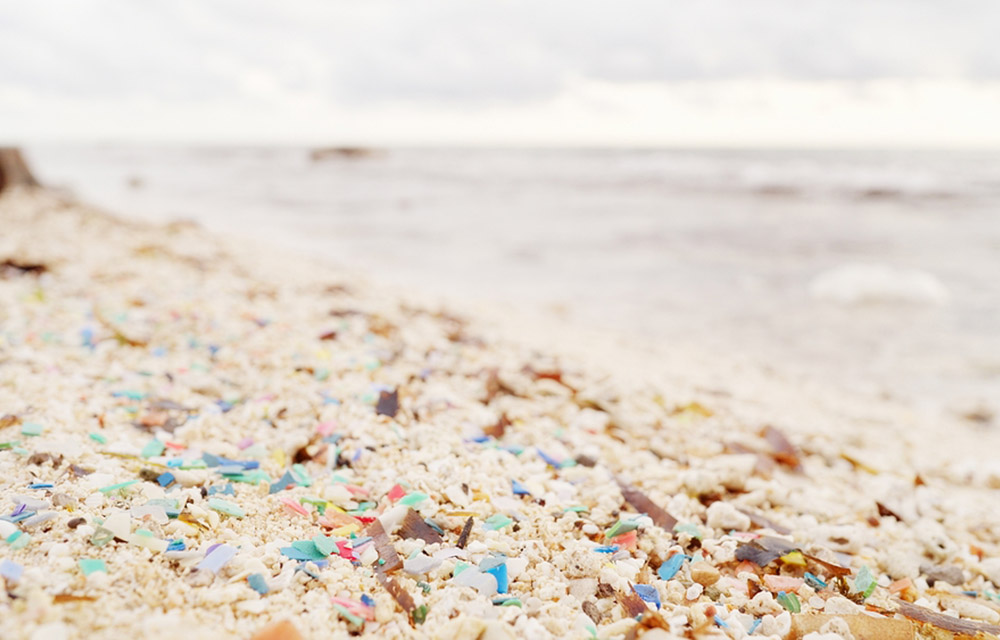
“Microplastics are present everywhere in the environment, including our rivers, oceans, and seafood,” Mace’s office said in a release. “The PURGE Act demands answers. What works. What it costs. And whether it can be put to use at water treatment and environmental facilities.”
Researchers have found microplastics to be nearly ubiquitous in the environment, including in seafood and other proteins.
“As long as we’re using plastic as a major component in our daily lives and we’re using it in a widespread fashion, we’re going to see them in our food, too,” Elise Granek, one of the authors of a study finding microplastics in 99 percent of seafood samples taken off the coast of Oregon, told The Guardian.
Mace’s legislation would instruct the EPA to study and test strategies for engineering plastics that don’t break down into microplastics in marine environments and how to remove them through filtration and capture.
“Microplastics are in our water and on our dinner plates, and we have yet to know what actually works to stop them,” Mace said. “The PURGE Act puts the EPA to work finding real solutions, tested in the real world and measured by hard science. No more guessing. No gimmicks. Our families deserve a microplastic-free future, and we intend to deliver it.”
If passed, the EPA would be required to create a five-year pilot program testing different strategies in different types of environments. Solutions that work within existing water treatment and stormwater infrastructure would be prioritized. NOAA, the U.S. Geological Survey, and state governments would coordinate on the effort, with a final report due to U.S. Congress within a year of the pilot’s completion.
