






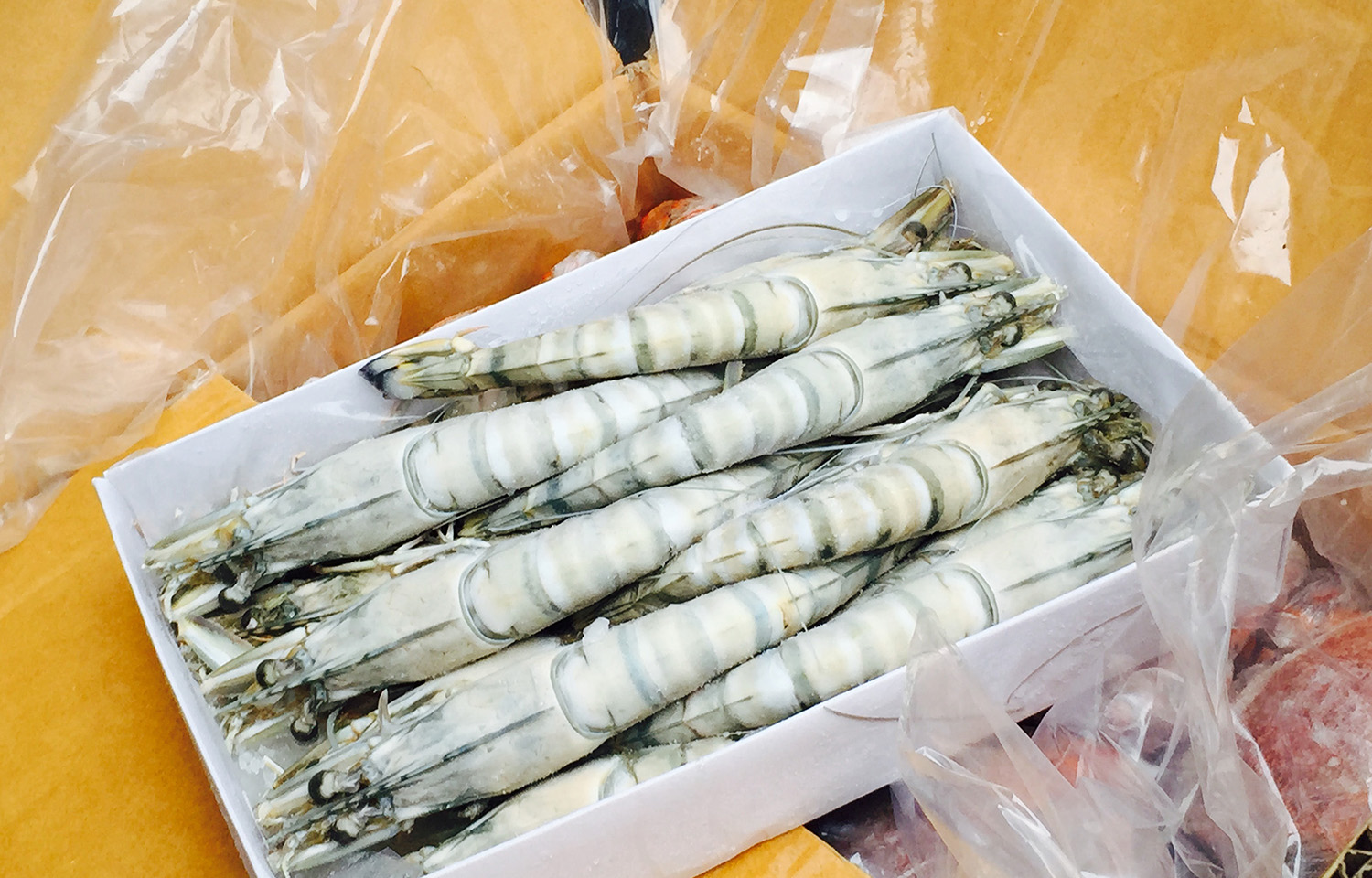
Last year saw China’s shrimp imports dropping slightly by volume but growing in value over the course of the year, according to shrimp industry blog Shrimp Insights.
China’s 2025 full-year import volume was 901,563 metric tons (MT), marking a 2 percent year-over-year drop.
Besides January, when improrts dropped 28 percent year over year to 69,814 MT, the steepest decline was seen in December, when the nation imported 82,409 MT, a 9 percent year-over-year drop. Growth was strongest in July, when China imported 90,683 MT, which was 10 percent more shrimp by volume than in July 2024.
The value of shrimp imports, meanwhile, grew year over year by 5 percent, reaching USD 4.79 billion (EUR 4.05 billion).
Ecuador was the top supplier of shrimp to China last year, but the nation significantly diversified its suppliers in 2025, becoming an especially important market in helping Indian shrimp exports to grow despite tariff pressure from the U.S.
Of China’s top five shrimp-supplying nations, the only one which did not experience export growth in 2025 was Ecuador, which saw its full-year export volumes fall by 3 percent year over year to 651,866 MT.
India ended the year having exported 149,599 MT to China, a 6 percent increase, while Thailand exported 27,739 MT, marking 19 percent growth. Argentina and Indonesia also saw strong growth, with Argentina exporting 19,170 MT, which represented 10 percent growth, and Indonesia exporting 13,137 MT, marking a 28 percent increase.
Drawing on sources from Chinese customs, Shrimp Insights estimated that the average import price of Indian shrimp was consistently more expensive for Chinese consumers in 2025, falling in the USD 5.20 (EUR 4.40) to USD 6.50 (EUR 5.50) per kilogram range, while shrimp from Ecuador cost between around USD 4.60 (EUR 3.89) to USD 5.20 (EUR 4.40) per kilogram in 2025.
