






The Science Center for Marine Fisheries (SCEMFIS), a U.S. research center, has announced nearly USD 500,000 (EUR 429,000) in funding for new finfish and shellfish research projects.
At the organization’s annual spring meeting, SCEMFIS announced USD 218,531 (EUR 187,300) in new funding, adding to the USD 277,000 (EUR 237,400) which the organization dedicated to groundbreaking finfish and shellfish research at the beginning of the year.
The funding will go toward supporting innovative projects that bring together fishing industry stakeholders and leading researchers, including two studies which will aim to enhance stock assessment tools for commercial fisheries and one that will use computer vision to more accurately assess the age of clams.
The first project develops a new method for assessing stock in shortfin squid, a commercially important species which also supports the survival of other important fish like tuna and cod. Despite the squid’s importance to the food chain, no method of stock assessment has yet passed peer review. This project, which SCEMFIS has granted USD 55,629 (EUR 47,674) in funding, aims to more comprehensively analyze shortfin squid data to prepare a model for an accurate stock assessment.
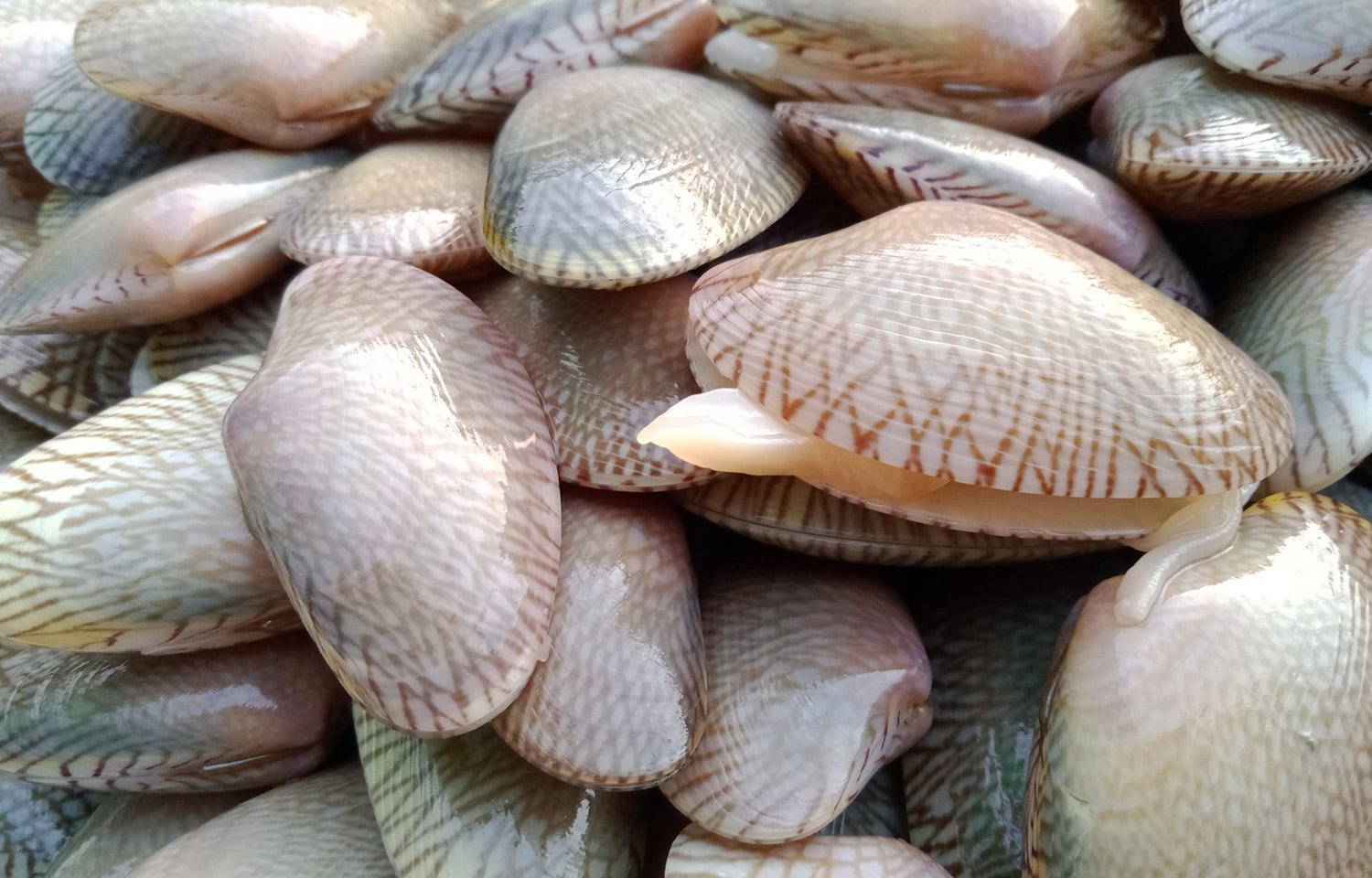
The latter project uses computer vision to estimate the age of clams, a key factor in stock assessment considerations. In the past, when researchers were preparing to run a quahog stock assessment, they had to manually age a representative sample of clams to obtain visuals of their sizes at various ages. This project will use computer vision to speed the process and reduce its required labor and then train the assessment model on images of already aged clams. SCEMFIS granted the project USD 27,869 (EUR 23884) in funding.
Other funded projects will explore mineral content in Mid-Atlantic clams and population dynamics of species that are targeted by sport fishers in the Gulf of Mexico, currently referred to as the Gulf of America by the U.S. government.
