






At increasingly alarming rates, U.K. seafood consumers may be unknowingly buying seafood linked to illegal, unreported, and unregulated (IUU) fishing and severe human rights abuses, according to a new report from the Environmental Justice Foundation (EJF) and Open Seas.
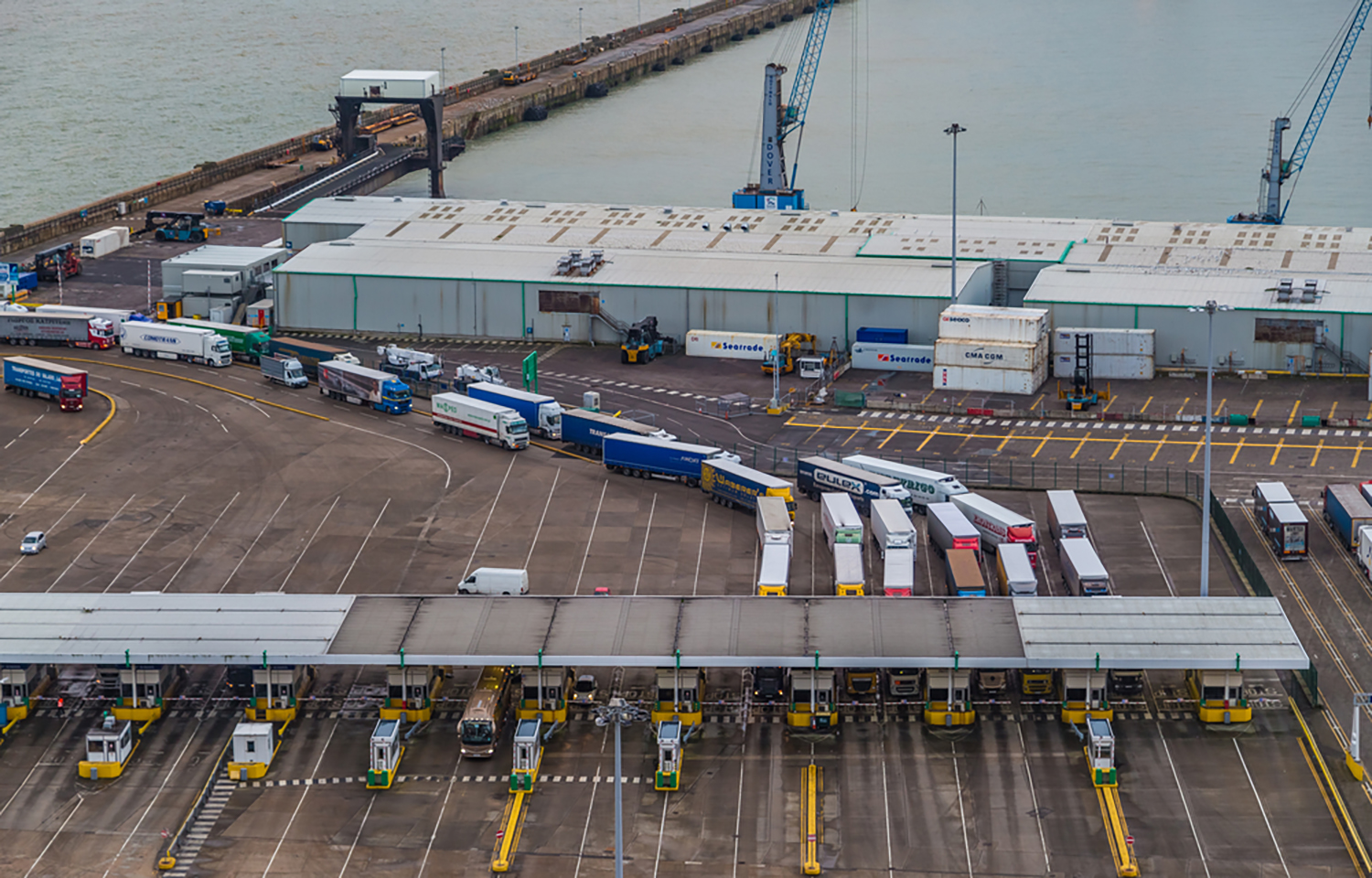
The NGOs’ report, titled “Criminal Catches: How to stop the supply of illegal seafood to the U.K.,” warns that the reason for this is that the U.K. has poorly enforced import control measures post-Brexit.
The report cites official data showing a collapse in monitoring since the country left the European Union, stating that critical checks on catch certificates have dropped sharply, with virtually no verifications conducted on Russian imports between 2021 and 2023 and only four consignments refused from China since 2012, despite widespread documentation of abuses in the country’s distant-water fleet.
This, the report said, is a major concern for the U.K. seafood sector, where over 80 percent of fish consumed is imported, many of which comes from countries currently under E.U. “yellow card” warnings for failing to combat IUU fishing or ranked among the world’s highest-risk suppliers.
Besides yellow card warnings, the E.U. also performs many more border checks than the U.K. Spain, for example, performs 18 times the number of crucial checks compared to the U.K., despite only receiving around double the amount of catch certificates, the report said.
The gap between the U.K. and E.U. is only set to grow, too, according to EJF Founder and CEO Steve Trent.
The E.U. is set to roll out a strengthened, fully digitized catch certificate system in January 2026 that must accompany all seafood imports to the bloc; meanwhile, fewer checks at the U.K. border of high-risk consignments, as well as weaker overall monitoring, combine to leave U.K. retailers and foodservice operators “significantly more exposed” to seafood coming from illegal fishing, he said.
“The E.U. also has a functioning carding system to encourage countries linked to illegal fishing to reform their fisheries, whereas the U.K. does not. This means the U.K. is not using its market power to combat illegal fishing in the countries that supply seafood to the U.K. nor offering a tangible consequence for failing to do so, leaving retailers, operators, and importers exposed,” Trent told SeafoodSource. “To close these dangerous gaps, the U.K. should enhance its catch certificate requirements, digitize its system, and implement its own carding system to warn and sanction countries that supply seafood to the U.K. but turn a blind eye to illegal fishing.”
EJF also wants the U.K. to fully implement the Global Charter for Fisheries Transparency, which is a set of low- or no-cost steps that governments can take to drive progress toward sustainable, legal, and ethical fisheries.
“While it doesn’t guarantee them by itself, it is a vital first step; we cannot manage what we cannot see, so transparency is essential,” Trent said. “As one of the largest seafood importers in the world, the U.K. is a major global market force. By insisting on transparency, U.K. leaders can shift practices across entire fleets and supply chains. The greatest leverage lies in endorsing, implementing, and pushing for global adoption of the Global Charter for Fisheries Transparency. This will clean up U.K. supply chains and drive reforms abroad, protecting coastal communities, responsible fishers, and human rights worldwide.”
If, instead, the U.K. continues on the same path, Trent cautioned that the country could soon become “a dumping ground for illegal seafood, eroding trust in ‘responsible’ U.K. supply chains among consumers and companies alike.”
“These delays undermine responsible British fishers who play by the rules and who cannot compete on price with fish caught by slaves, forced laborers, or bonded laborers,” he said.
While the report calls for government action, Trent insists that buyers, such as retailers and processing firms, cannot wait for this to occur.
He explained that these buyers must immediately strengthen their own checks, demanding full vessel-level transparency and robust data on fishing activities and crew welfare. In particular, they should move to stop sourcing from high-risk fleets, such as the Chinese Indian Ocean tuna fleet, where the prospect of a given vessel being free of both human rights abuses and illegal fishing is very low.
“We are calling on all traders, processors, and retailers to remove this fleet from their supply chains. In the face of such overwhelming evidence, it’s now the responsibility of the vessel owners and operators to prove their vessels are clean, and no responsible brand should be sourcing from this fleet until they do so,” Trent said.
